Yoga and sportswear decision library
Learn it. Compare it. Rank it with evidence.
59 focused resources for activewear labels—from technical explainers and side-by-side decisions to methodology-led manufacturer research.
Buyer decision guides · updated 2026-09-23
Start with the risk that can stop the order.
Eleven practical guides for factory qualification, inquiries, sampling and production decisions. Source notes distinguish questions found in community discussions from editorial recommendations and verified references. Find your question in the buyer answer library.
How do you compare activewear factory quotes that include different things?
Do not compare the headline unit prices until every supplier has priced the same style revision, material identity, color and size breakdown, branding, packaging, sample path, testing and inspection scope, delivery rule and named place. Build a normalization sheet that marks each line as included, excluded, provisional or not stated. The best comparison is the total responsibility you can verify—not the smallest number in the price column.
Read answer ↗02 · Factory verificationWhat should you ask to see on an activewear factory video call?
On a factory video call, begin with the legal and contracting identity, then follow the proposed product from material receipt through the sample room, pattern or seamless programming, cutting or knitting, sewing, finishing, inspection and packing. Ask the guide to show a current, non-sensitive work record connected to each stage. Record what was visible, what was not shown and what still requires document review or an independent audit. A live tour is a screening tool, not certification.
Read answer ↗03 · Factory identityIs your activewear supplier the company that will actually make the order?
The company sending the quotation may be the actual manufacturer, an export seller, a trading company or a managed sourcing partner. Verify each role separately: who signs the contract and receives payment, which facility performs the origin-conferring garment process, which mills or specialist processors handle materials and decoration, who controls quality and who appears on shipping and market-compliance records. A supplier does not need to own every process, but it should disclose the route and accept written responsibility for the work it sells.
Read answer ↗04 · Supplier due diligenceWhat should you verify before paying an activewear manufacturer deposit?
Before paying a factory deposit, verify the contracting legal entity and payment beneficiary, reconcile the final quotation and purchase order, identify the production facility and any subcontracted processes, confirm the approved product baseline, state what the deposit authorizes, record intellectual-property and confidentiality terms, define delivery and inspection responsibilities, and keep a written exception list. If an identity, account change or product-critical scope cannot be explained, pause and verify through an independent channel.
Read answer ↗05 · MOQ and material planningWhy can a factory sew your quantity but still reject the activewear order?
An activewear order can have several minimums at once: garment-line setup, fabric production or stocked-roll availability, custom dye lot, trim or logo application, and packing components. Ask the supplier to separate these constraints and state the unit for each one. A smaller first run is often enabled by reducing color fragmentation, using a qualified stocked material or carrying leftover material under written terms—not by pretending every upstream minimum disappears.
Read answer ↗06 · Bulk production controlWhy can approved activewear samples still become different bulk goods?
Bulk can differ from an approved sample when the sample stage was misunderstood, materials or colors changed, production used an older specification, skilled sample-room workmanship was not translated into line instructions, or inspection criteria were never defined. Prevent drift by sealing one pre-production baseline, reconciling it with the current tech pack and BOM, recording declared differences, issuing controlled line references and inspecting the actual lot against the same acceptance criteria.
Read answer ↗07 · Supply-chain visibilityIs subcontracting in activewear production always a problem?
Subcontracting is not automatically a quality failure. Garment supply chains commonly use separate mills, dye houses, printers, embroidery units, laundries, bonding specialists or overflow sewing facilities. The buyer needs a disclosed process map, approved-site rules, responsibility for each handoff, evidence requirements and notice before the route changes. The risk is not that another facility exists; it is that product, compliance or labor assumptions no longer match the site doing the work.
Read answer ↗08 · OEM and ODM controlWhat should an activewear OEM or ODM responsibility matrix include?
An activewear OEM or ODM responsibility matrix should name who supplies, develops, approves, pays for, owns and may reuse every important input and output: design, tech pack, pattern, grading, knitting program, fabric, color, trims, logo files, samples, tests, production records and tooling. It should also define confidentiality, subcontractor access, change approval, copies delivered at exit and what happens when the project stops. Do not assume the words OEM, ODM or private label answer those questions.
Read answer ↗09 · Factory inquiry and sampling readinessWhy is an activewear manufacturer not replying to my inquiry?
You cannot diagnose a factory’s silence from the inbox alone. First check whether the inquiry identifies the garment, production route, quantity by style and color, sample stage, destination and development work needed. Ask the manufacturer to confirm category fit and missing inputs before requesting a firm quote. Send one focused follow-up through a verified channel; if the supplier still cannot name a responsible contact or next step, qualify another candidate.
Read answer ↗10 · Factory inquiry and sampling readinessCan an activewear factory make a sample from a tech pack without a pattern?
A tech pack alone is a starting point only if the selected supplier agrees to develop the missing pattern and technical details. Ask who creates the base pattern, chooses or validates materials, makes the first sample, records fit changes and grades the approved size. If the supplier offers sewing only, arrange pattern development separately. Agree sample outputs, revision scope and file-use rights before paying; neither “OEM” nor “ODM” settles those responsibilities.
Read answer ↗11 · Factory inquiry and sampling readinessMy first activewear sample is wrong. Should I revise it or change factories?
Do not approve bulk production or reject the supplier on appearance alone. Compare the sample with the exact brief and revision used, then classify each issue as a specification mismatch, an unresolved design decision, a declared material substitution or a fit problem requiring investigation. Ask for a written correction plan with evidence for the next review. Continue only if the supplier can explain and control the changes; consider another candidate when key requirements or traceability remain unresolved.
Read answer ↗Plain-language technical education
Explainers
40 guides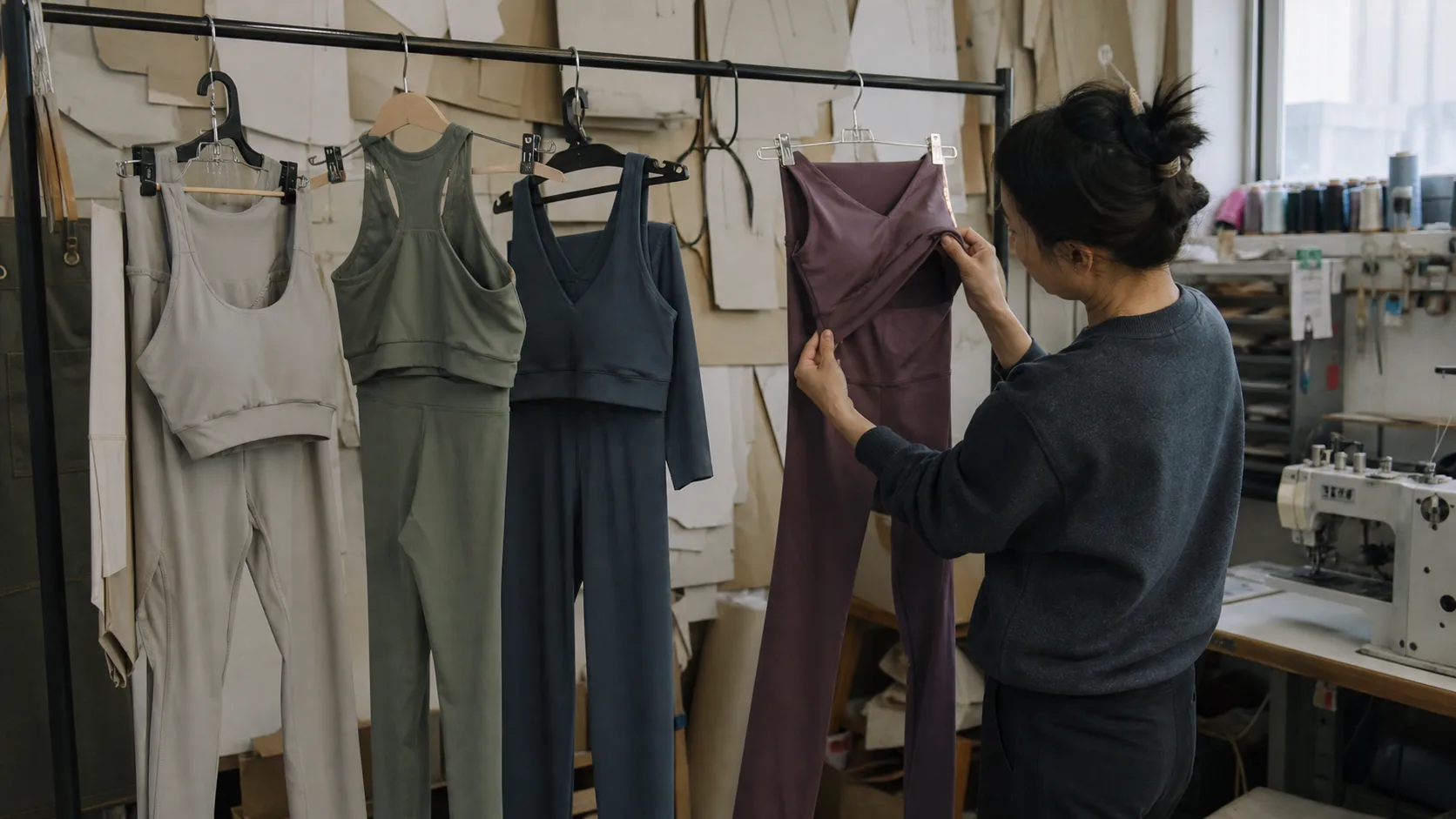
Sampling stages should close questions—not create more garments.
Give every sample a job, an approval owner and a written outcome before the next round begins.
Read buyer guide ↗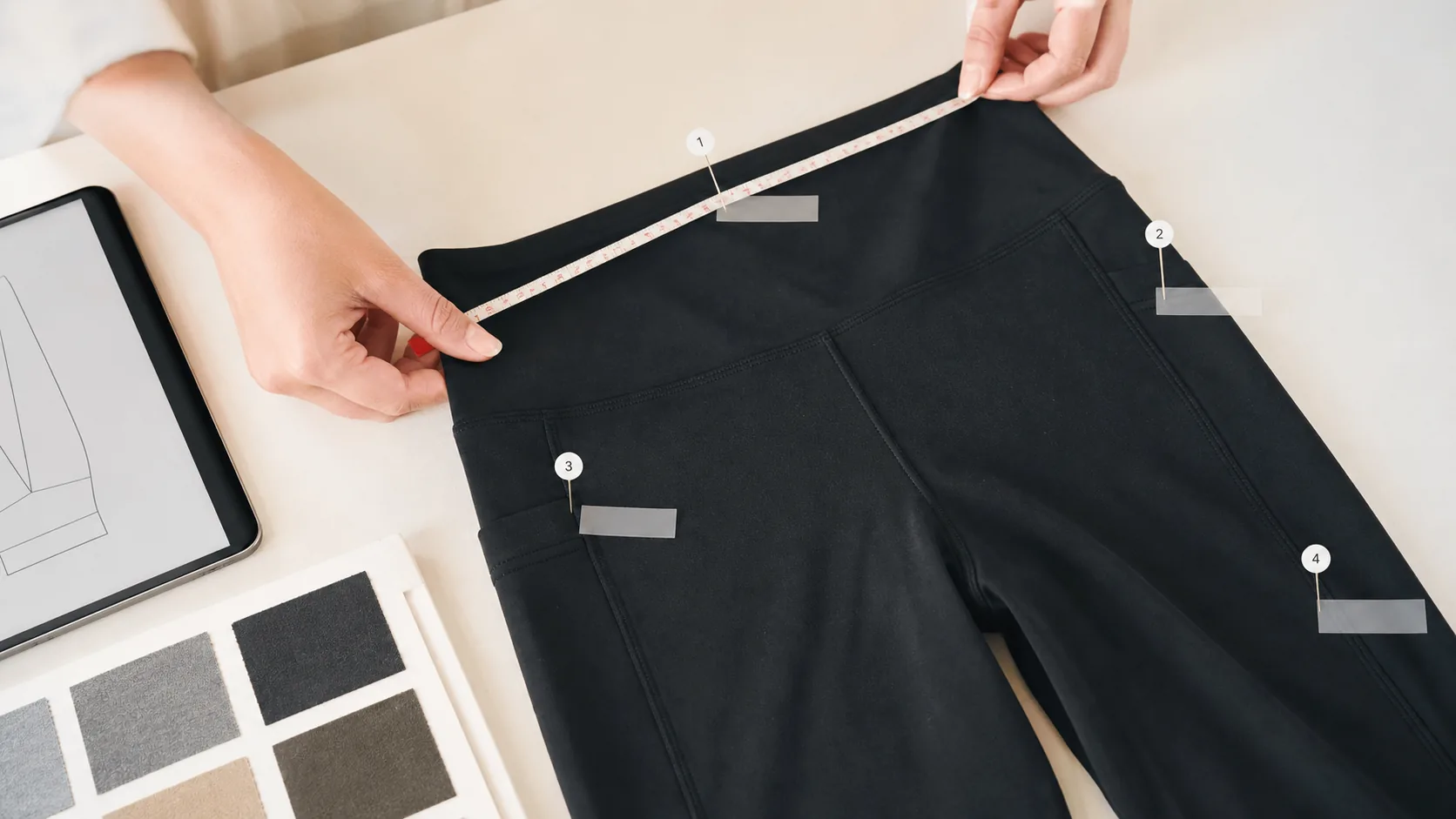
How to write sample comments a factory can actually execute.
Replace scattered reactions with one measured, versioned decision record.
Read buyer guide ↗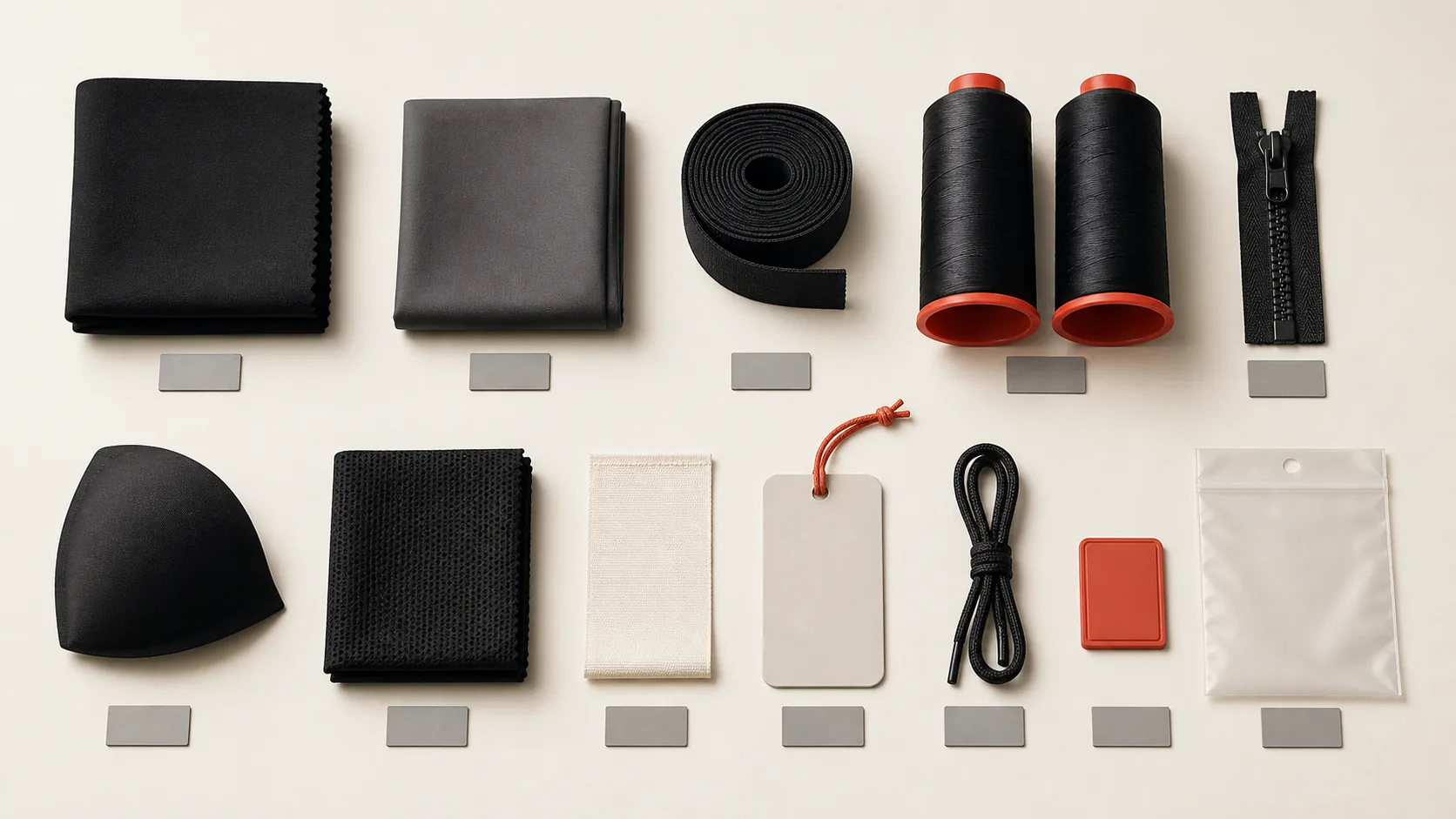
A yoga wear BOM should control every component that can change the result.
Treat the bill of materials as the product identity—not a purchasing appendix.
Read buyer guide ↗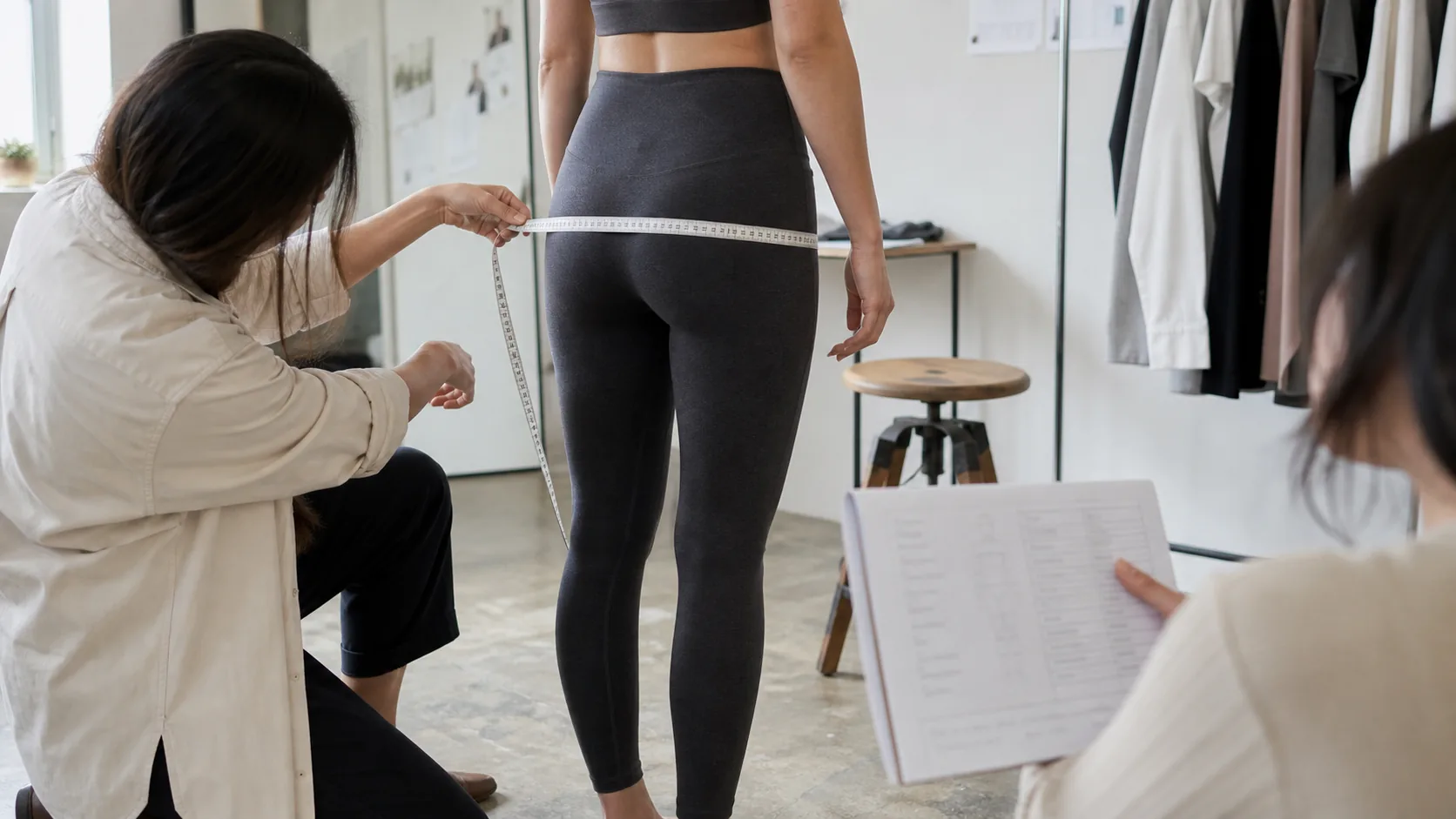
Choose the fit model before you judge the fit.
A familiar size label is not a body specification or a target-customer strategy.
Read buyer guide ↗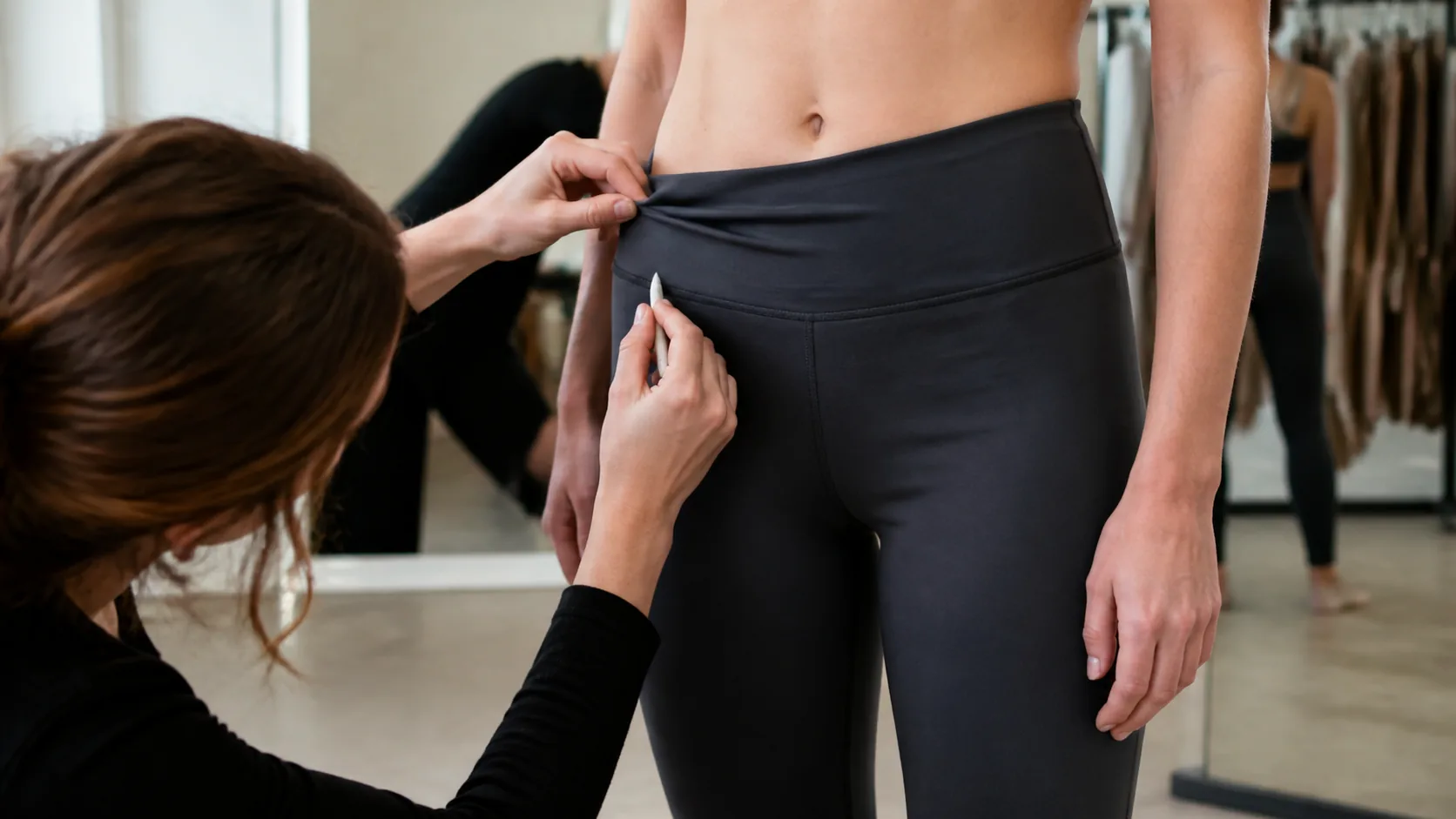
A rolling waistband is a system failure—not one measurement.
Trace the behavior across body shape, pattern, fabric and construction before changing band tightness.
Read buyer guide ↗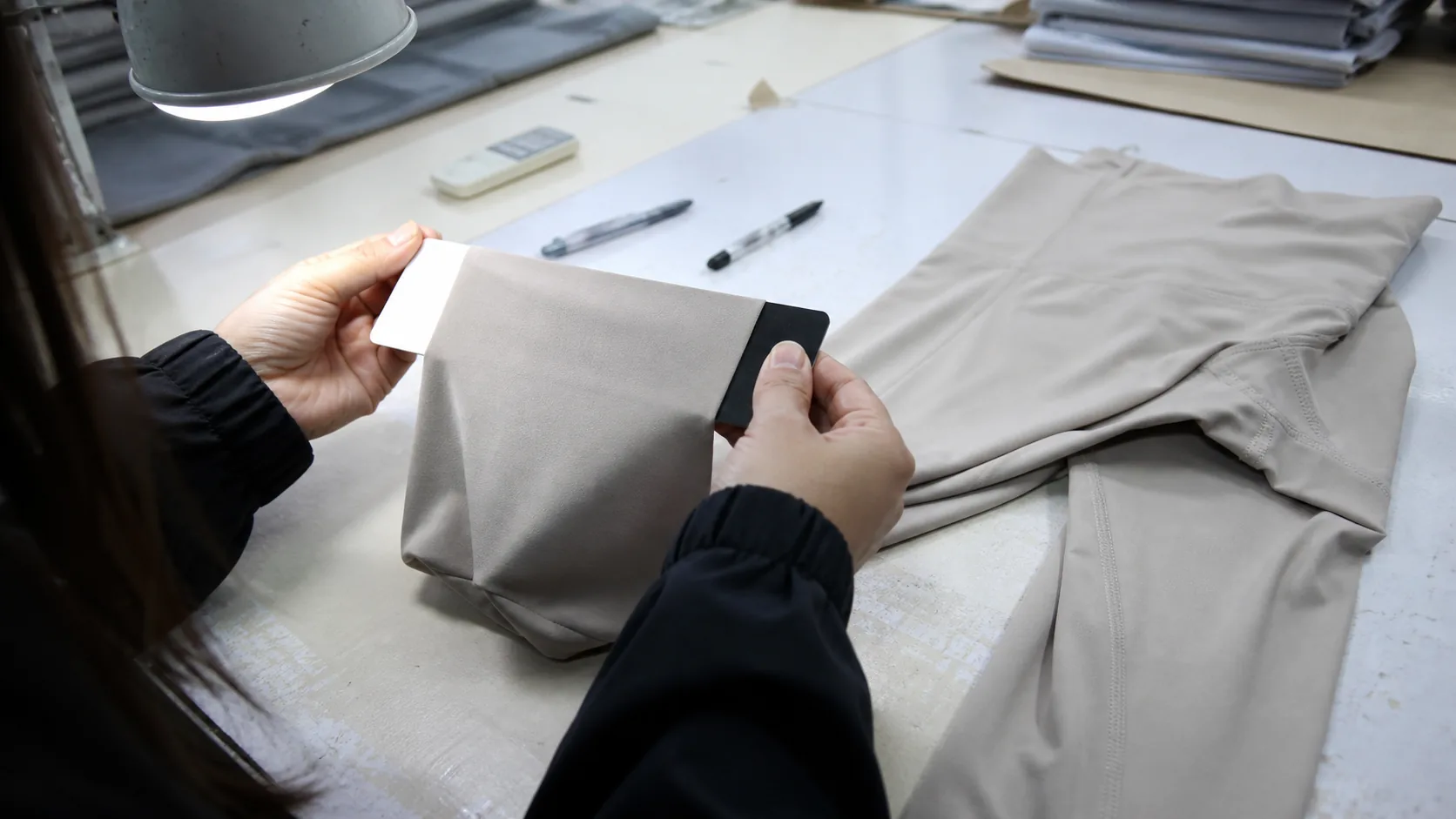
“Squat-proof” needs an approval method, not a promise.
Opacity changes with color, size, stretch, pattern and light. Define the condition before judging the result.
Read buyer guide ↗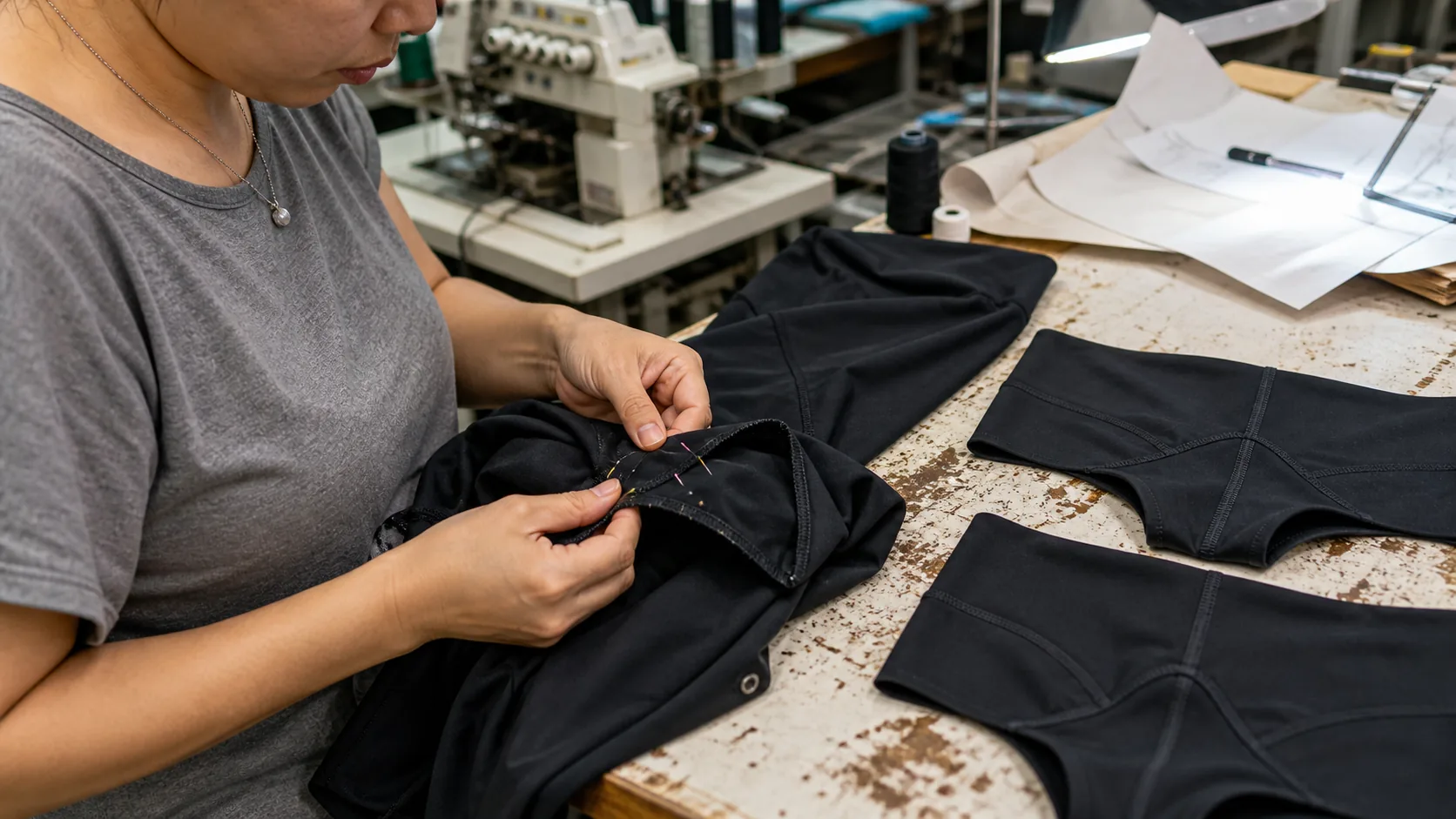
Gusset and front-seam choices should follow movement—not trend alone.
Map coverage, strain and construction before removing or adding a seam.
Read buyer guide ↗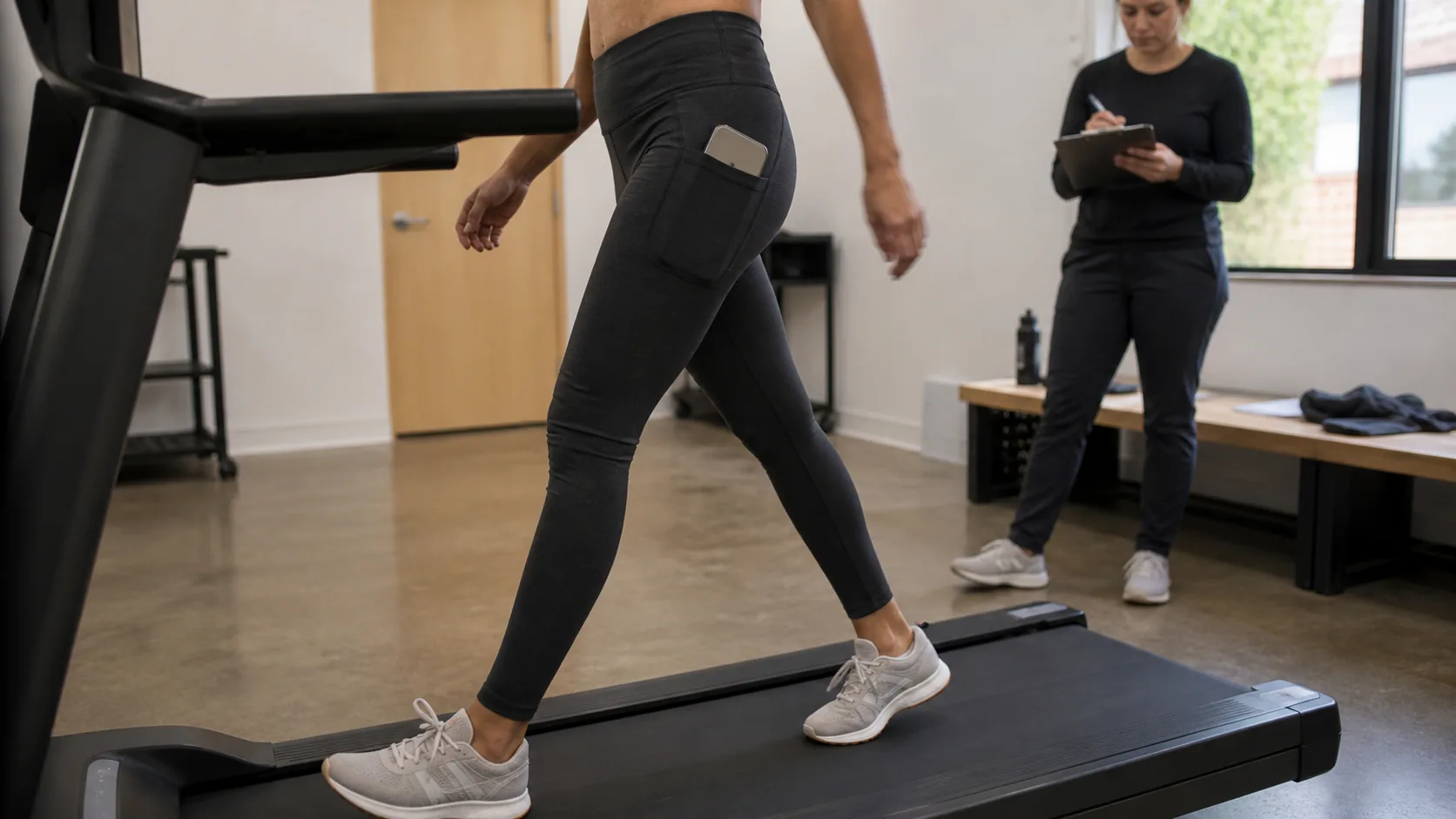
A pocket is approved only when it holds the intended load in movement.
Name what the pocket must carry, then test retention, bounce and garment distortion.
Read buyer guide ↗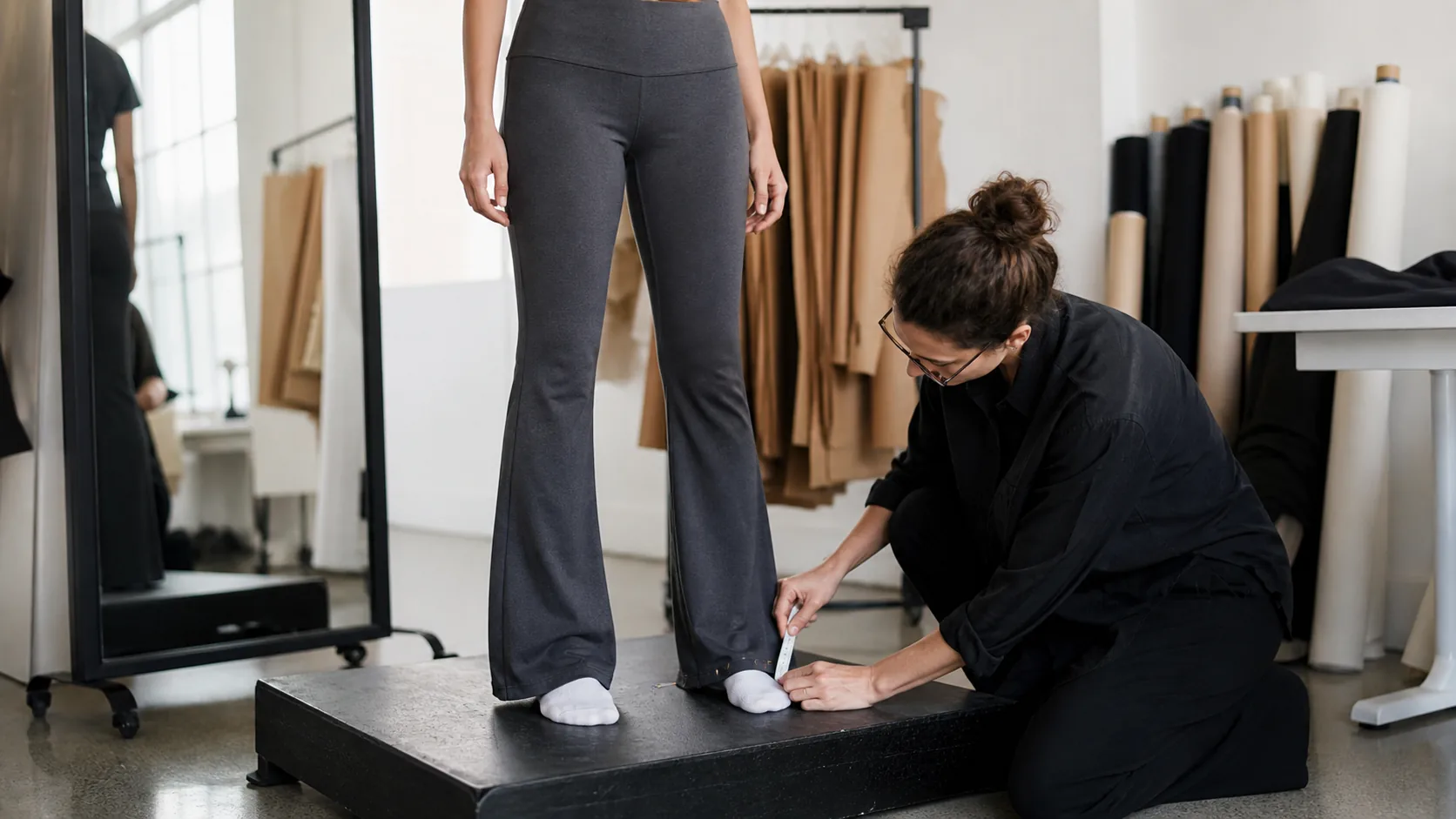
A flare yoga pant is won at the knee break and hem—not the mood board.
Control where the silhouette changes, how it moves and how the proportion grades.
Read buyer guide ↗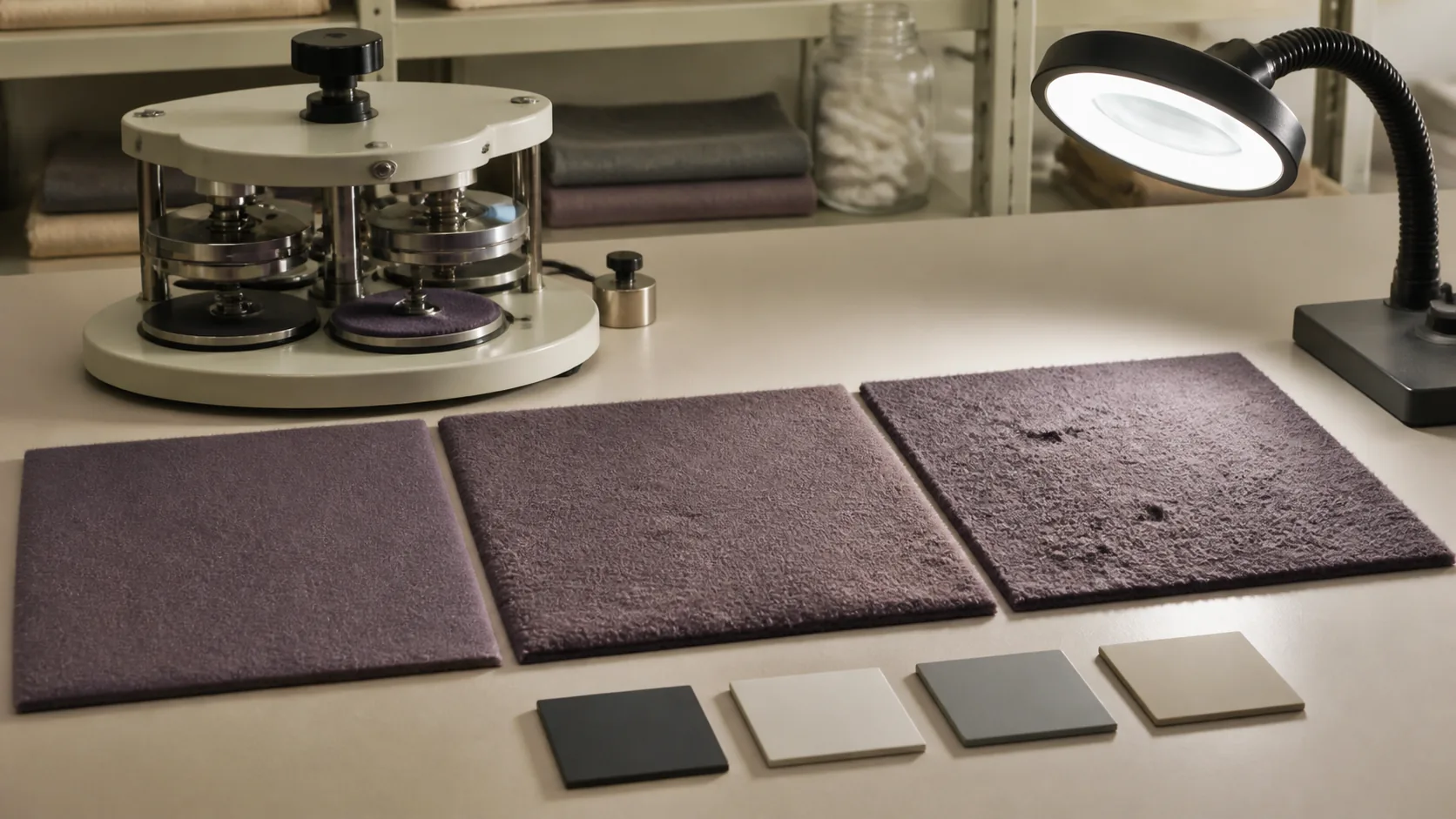
Brushed softness and pilling risk must be approved together.
A premium first touch is not enough if the surface changes after friction and care.
Read buyer guide ↗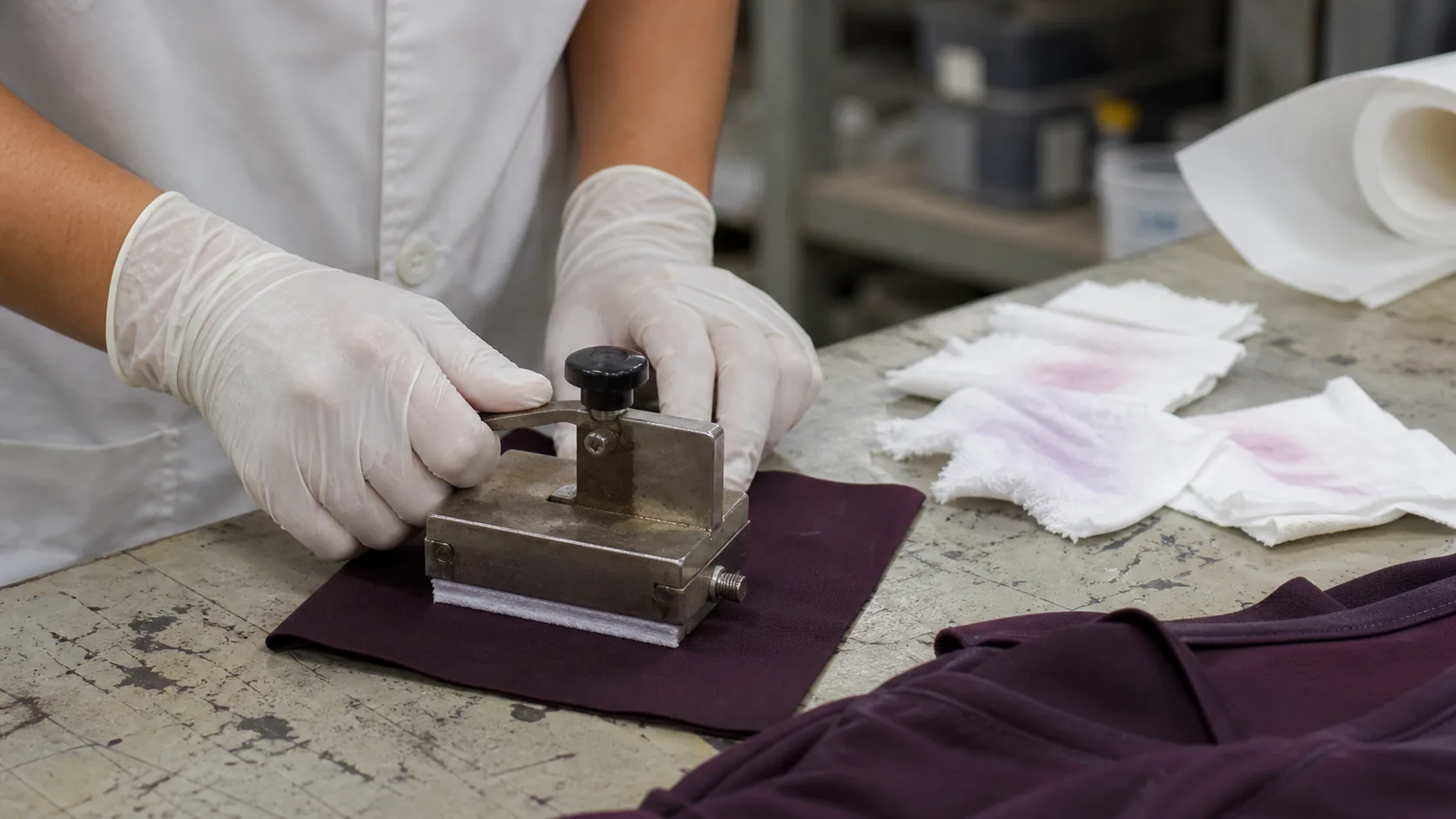
Hot-yoga color needs more than a wash test.
Sweat, friction, stretch and frequent care expose different dye risks.
Read buyer guide ↗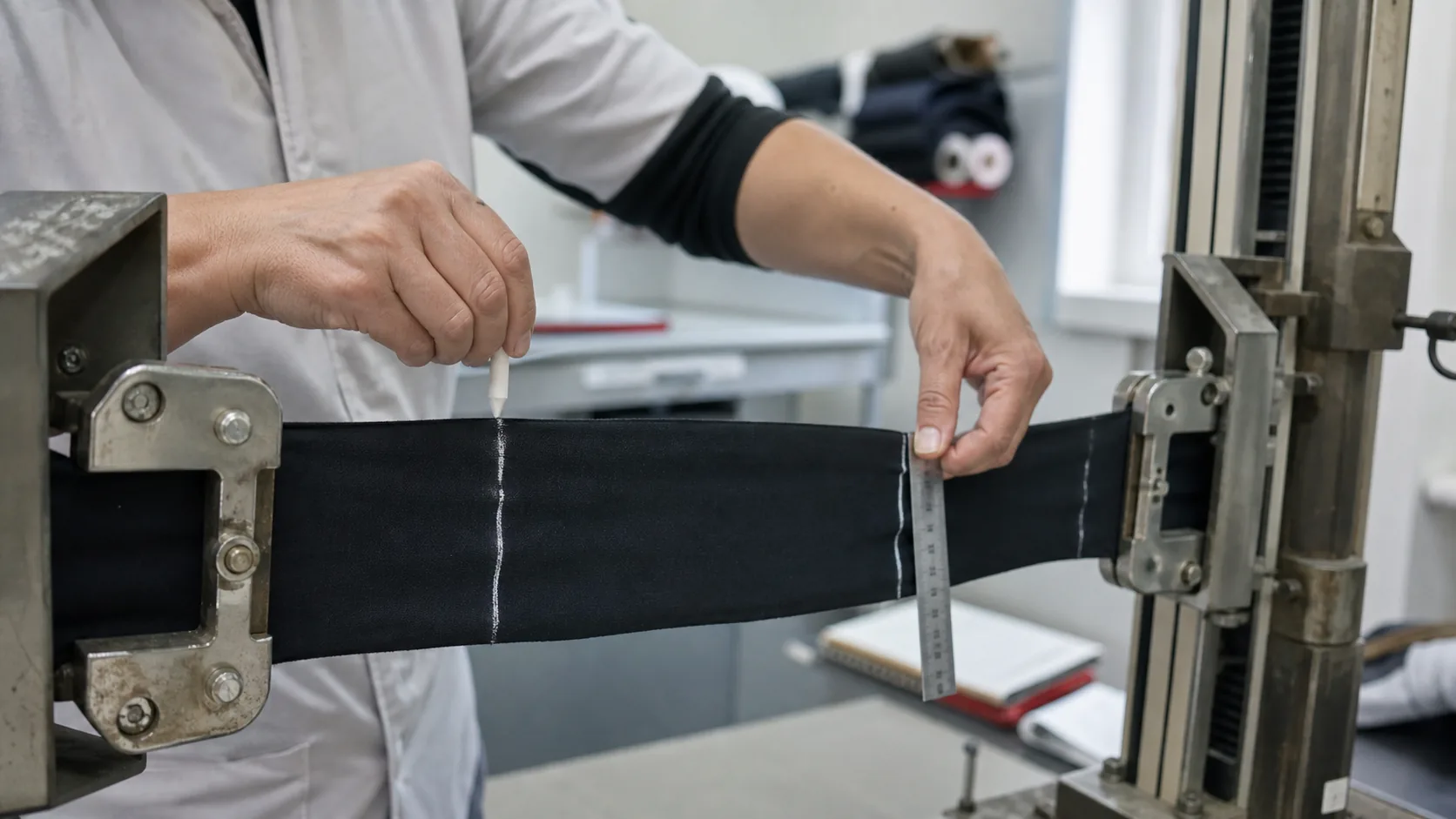
Stretch tells you how far. Recovery tells you what comes back.
Approve both the fabric response and the finished garment after repeated load.
Read buyer guide ↗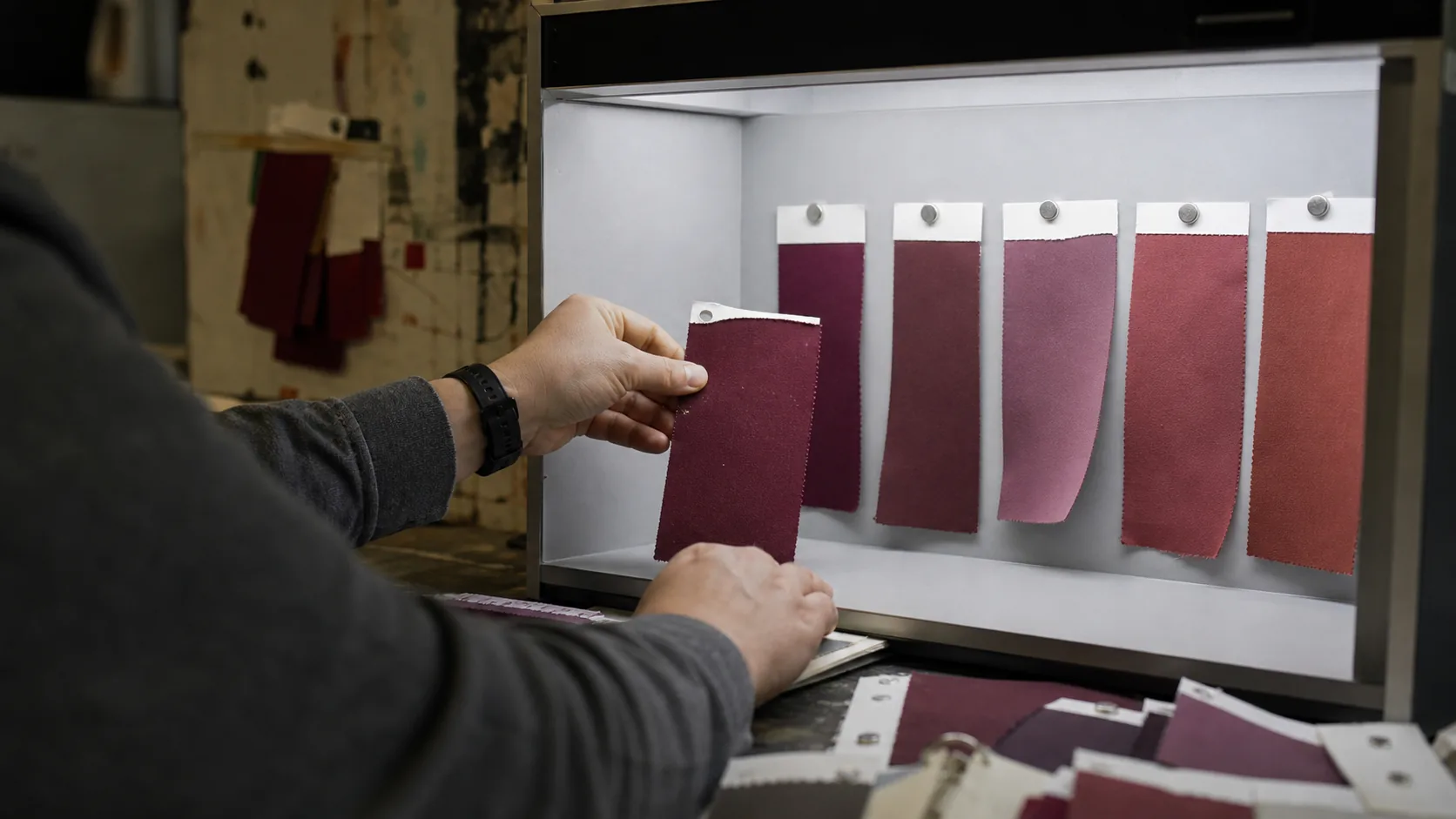
Color approval is a chain of evidence—not a screenshot.
Connect the physical target, named lab dip, approved sample and bulk shade lot.
Read buyer guide ↗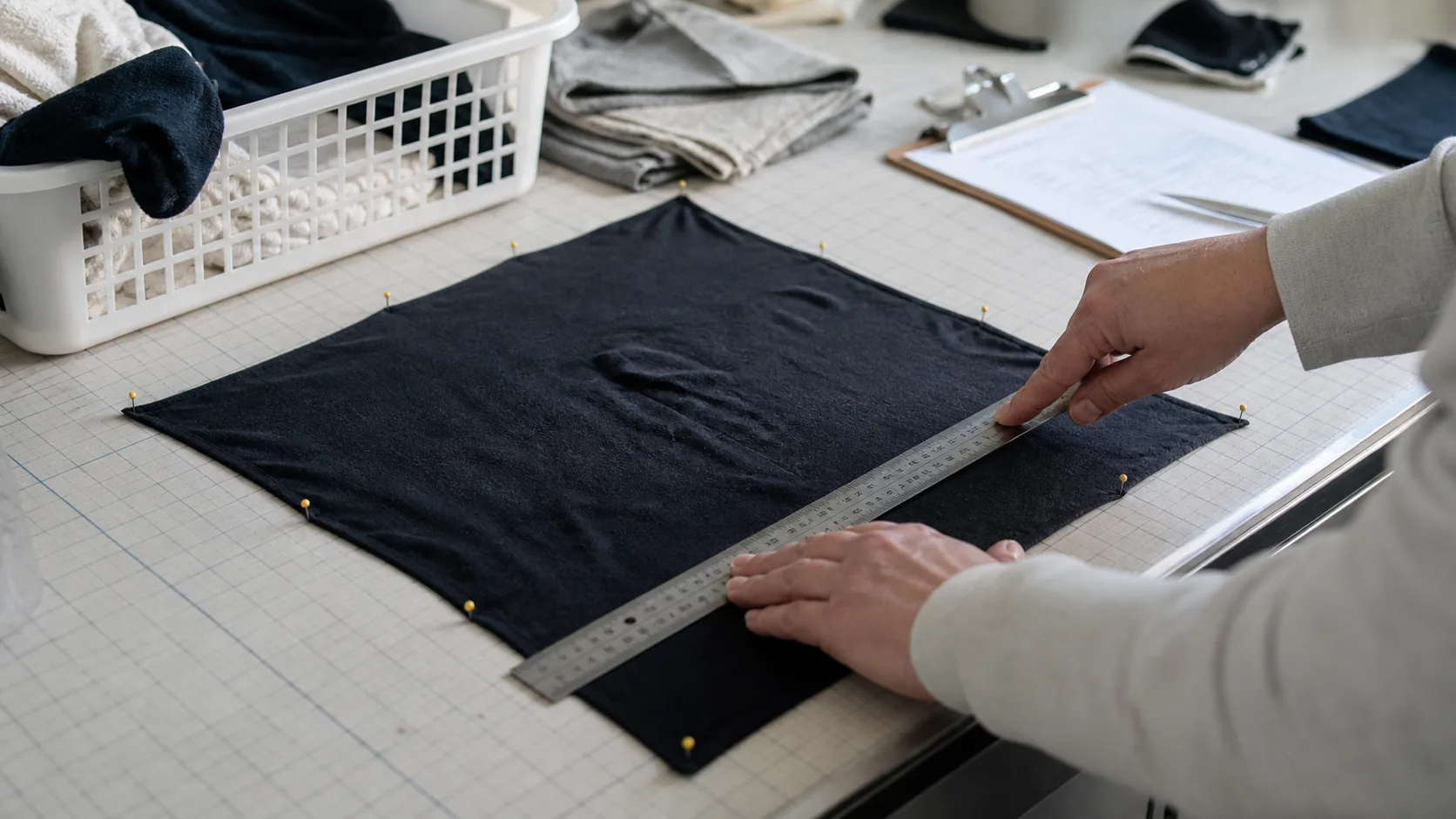
Shrinkage is a method-specific result, not a fabric adjective.
Control the wash condition, measurement map and garment consequences before approving bulk.
Read buyer guide ↗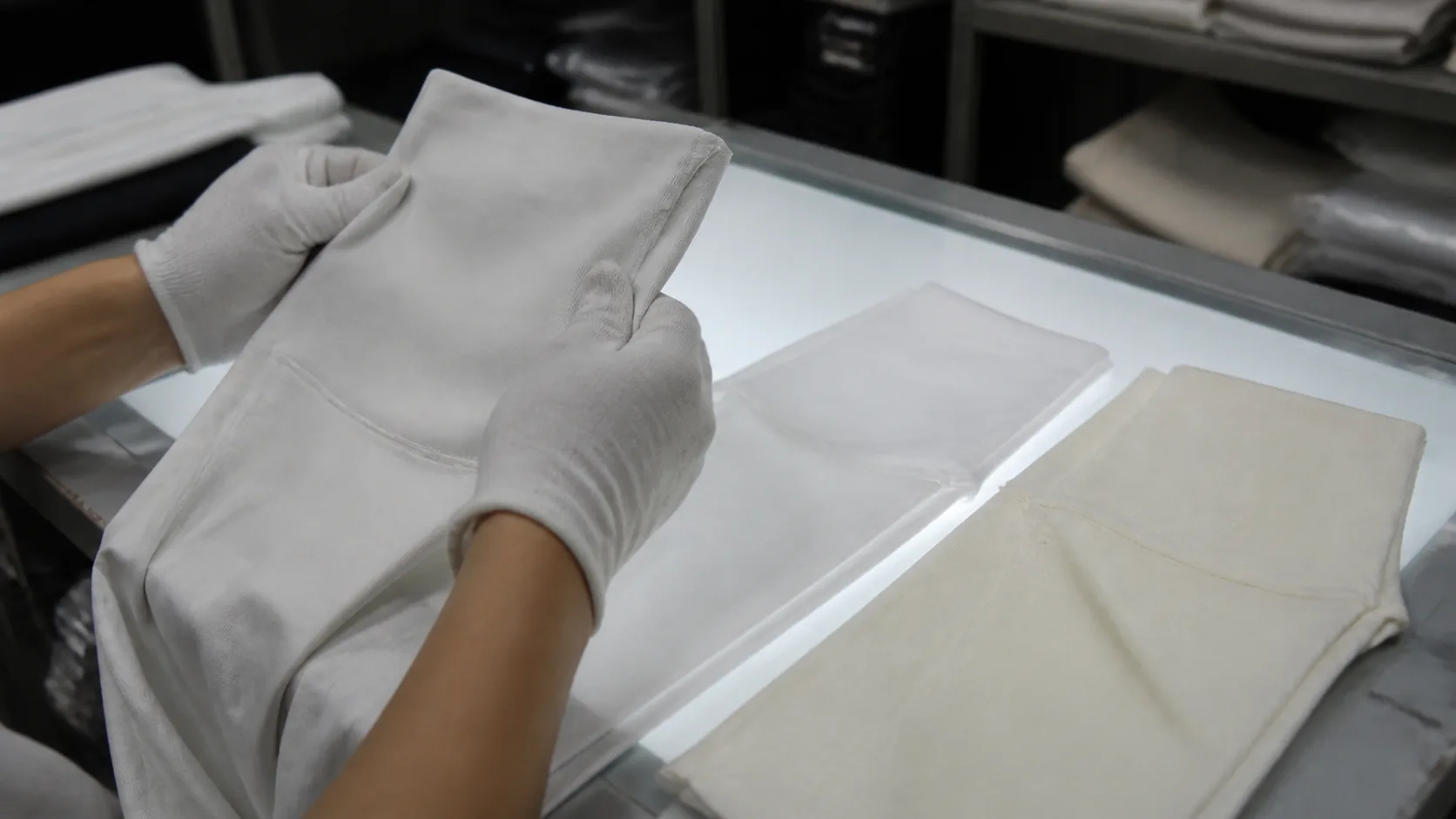
White yoga wear needs its own material and handling protocol.
Light color reveals layers, strain, contamination and shade change that dark samples can hide.
Read buyer guide ↗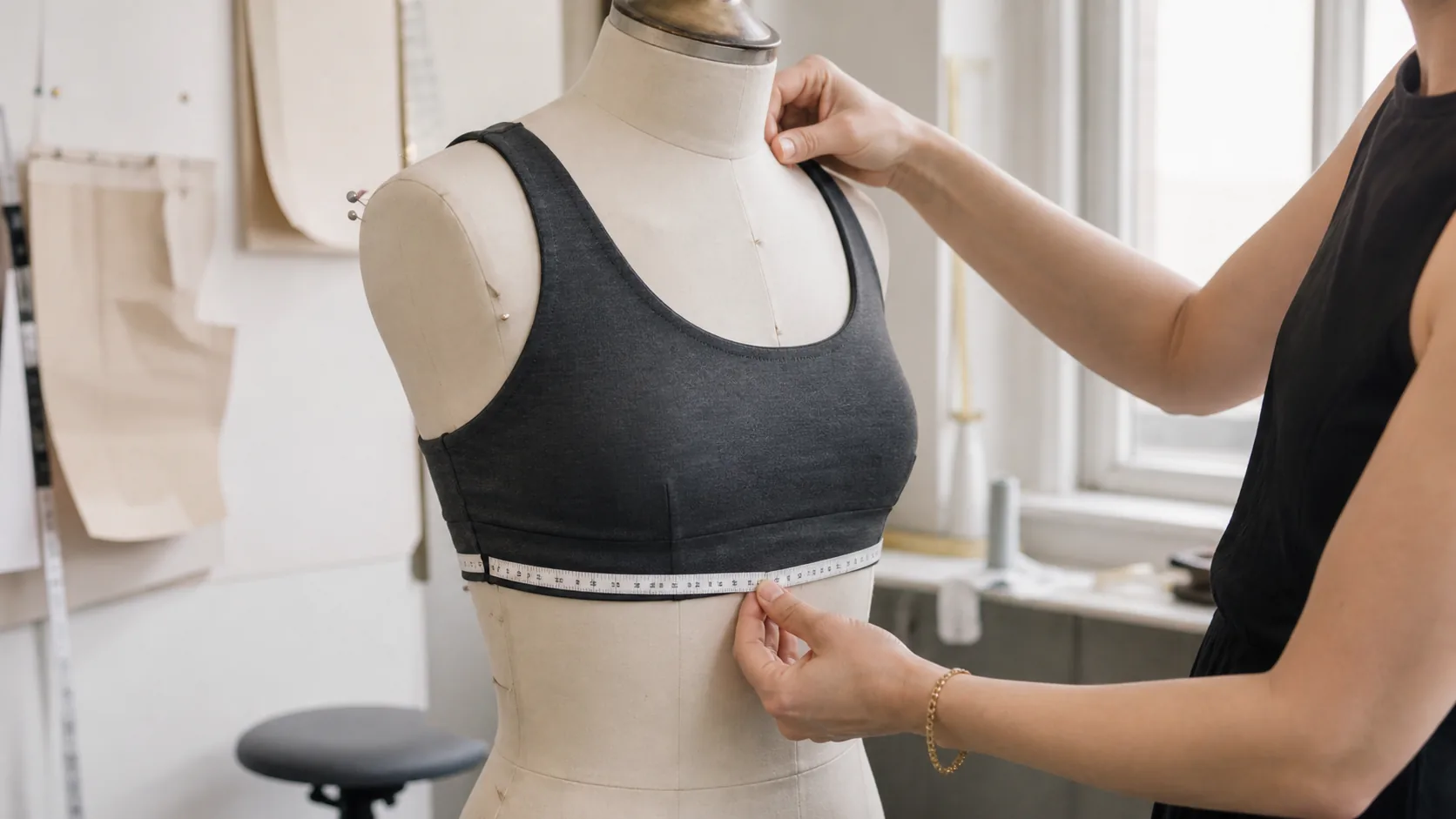
“Low impact” still needs a defined support and fit brief.
Studio comfort is designed through coverage, pressure distribution and movement—not a category label alone.
Read buyer guide ↗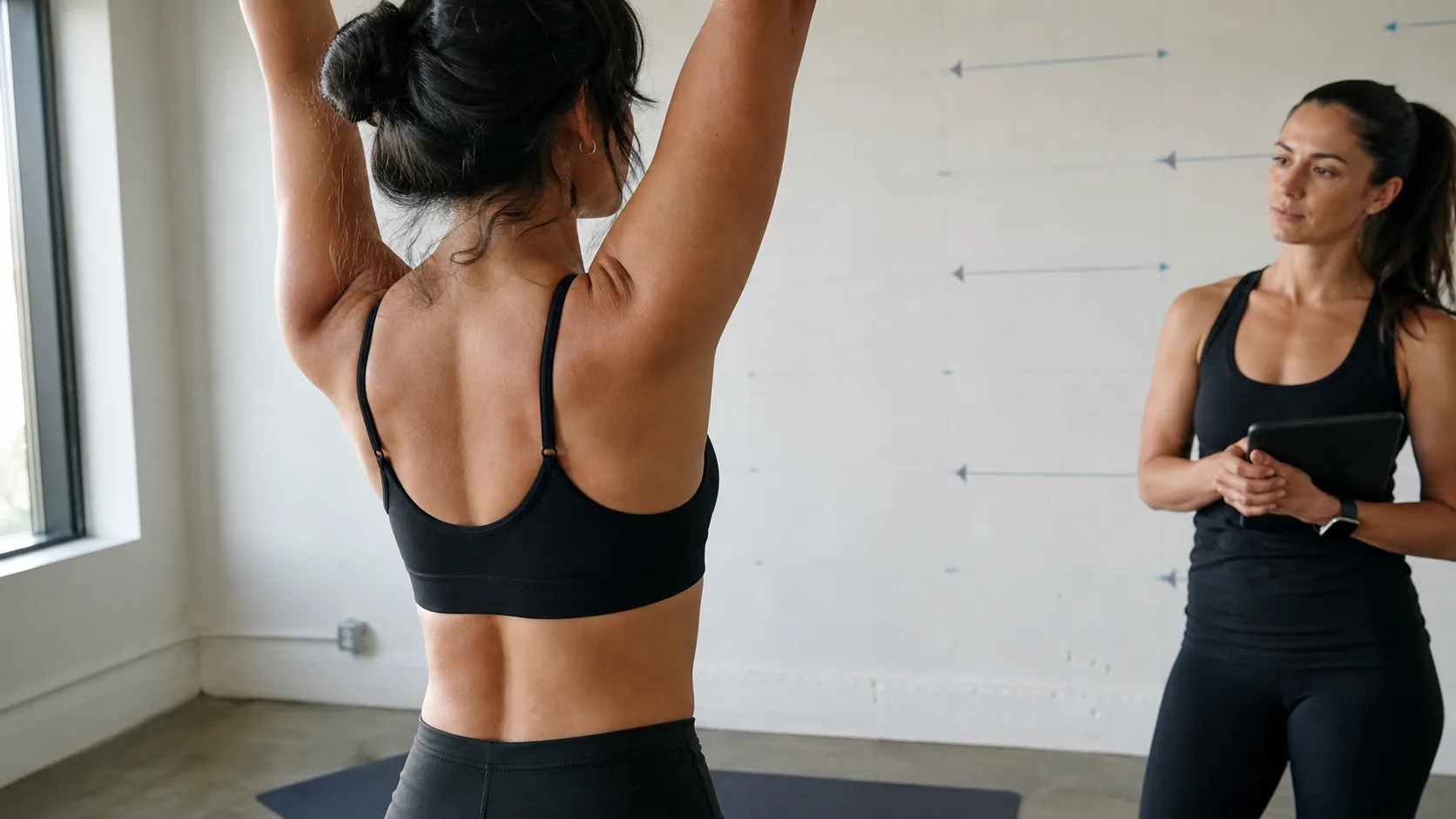
A short fitting cannot expose a long-session bra failure.
Test pressure, friction and movement over the duration the product is meant to support.
Read buyer guide ↗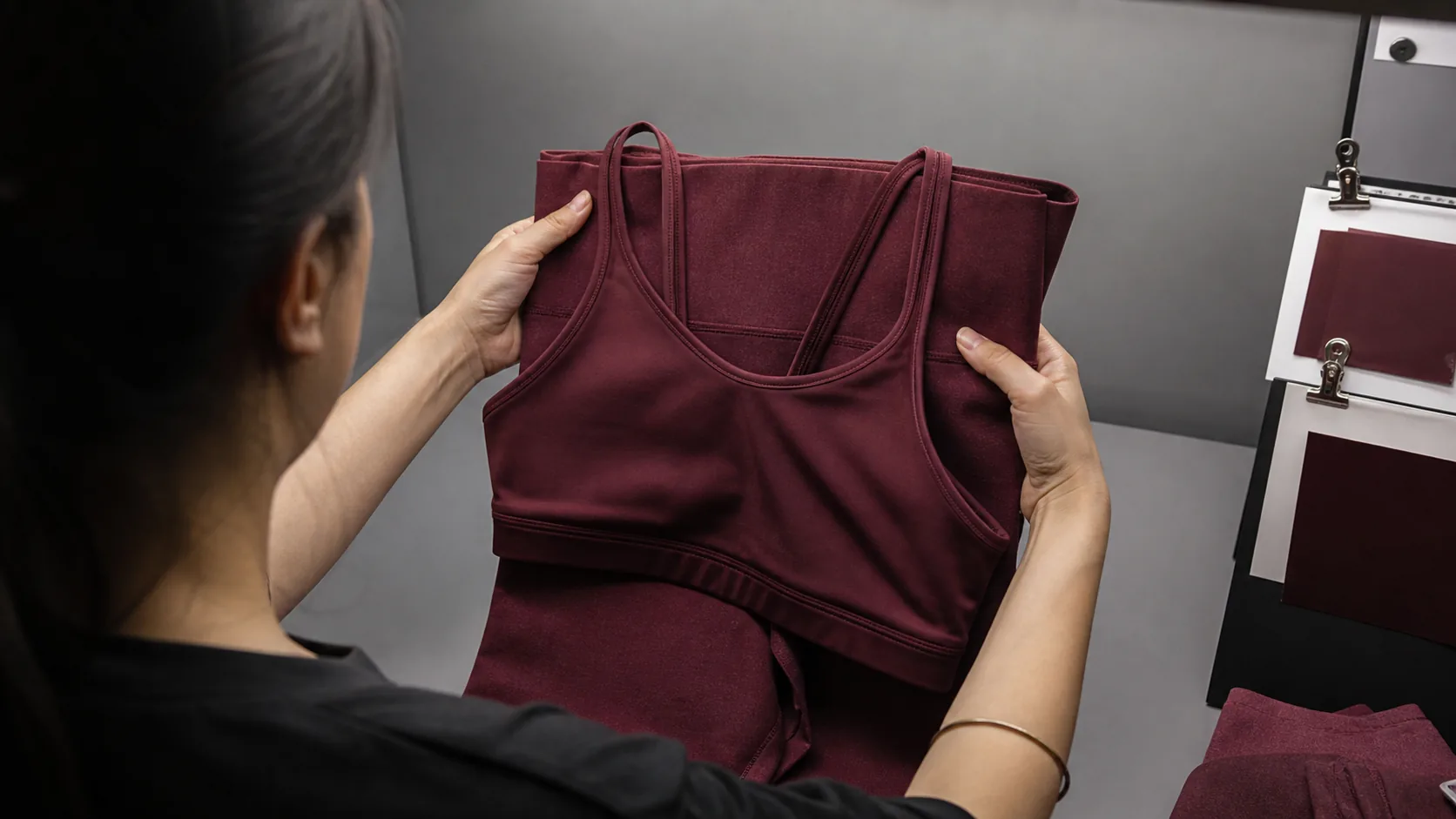
A matching set is a color system, not two garments with the same name.
Coordinate substrate, dye lot, stretch and light before promising a visual match.
Read buyer guide ↗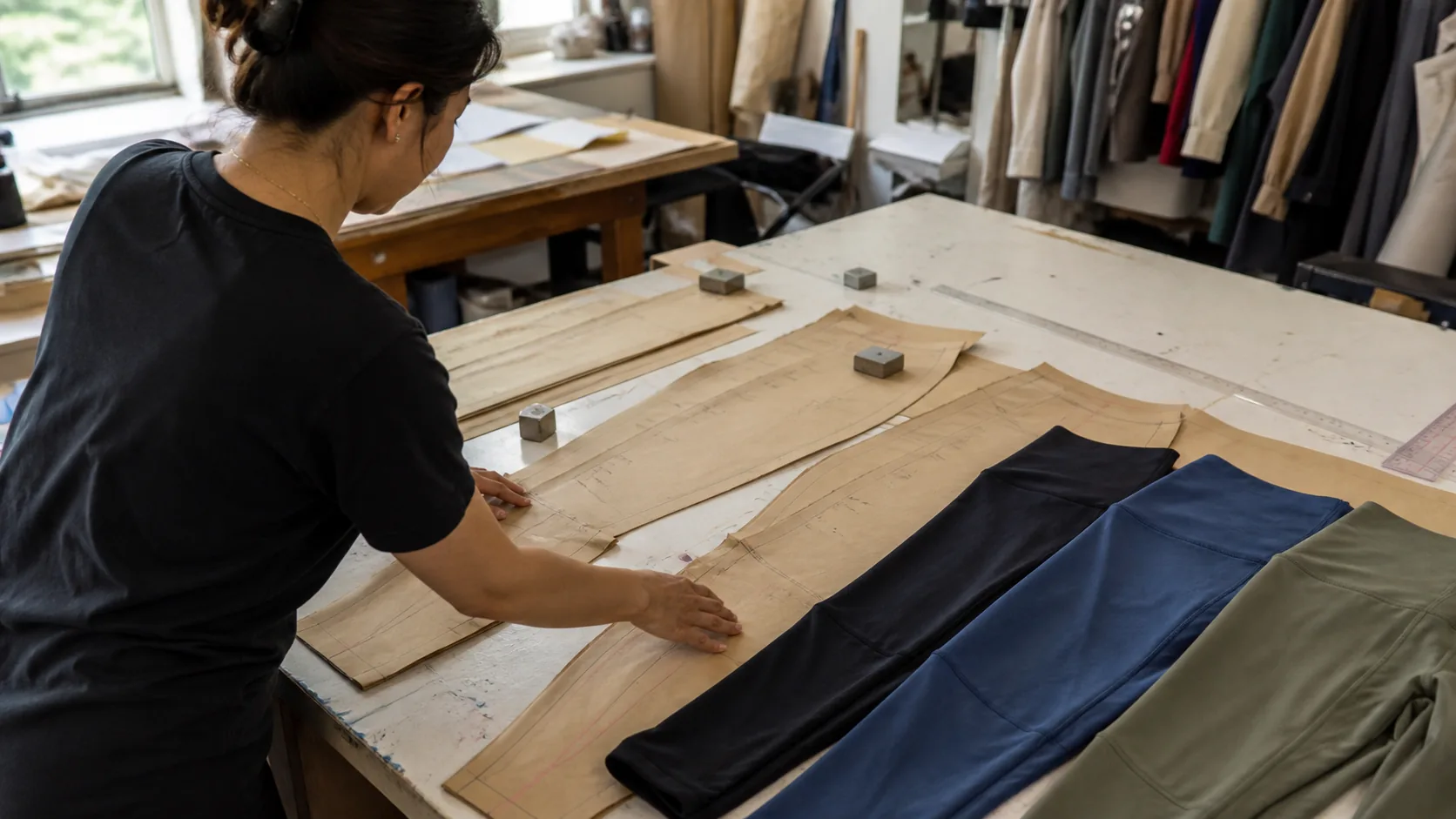
Extended sizing is product development—not an enlarged base pattern.
Preserve intent across body shapes by choosing data, blocks and fit evidence deliberately.
Read buyer guide ↗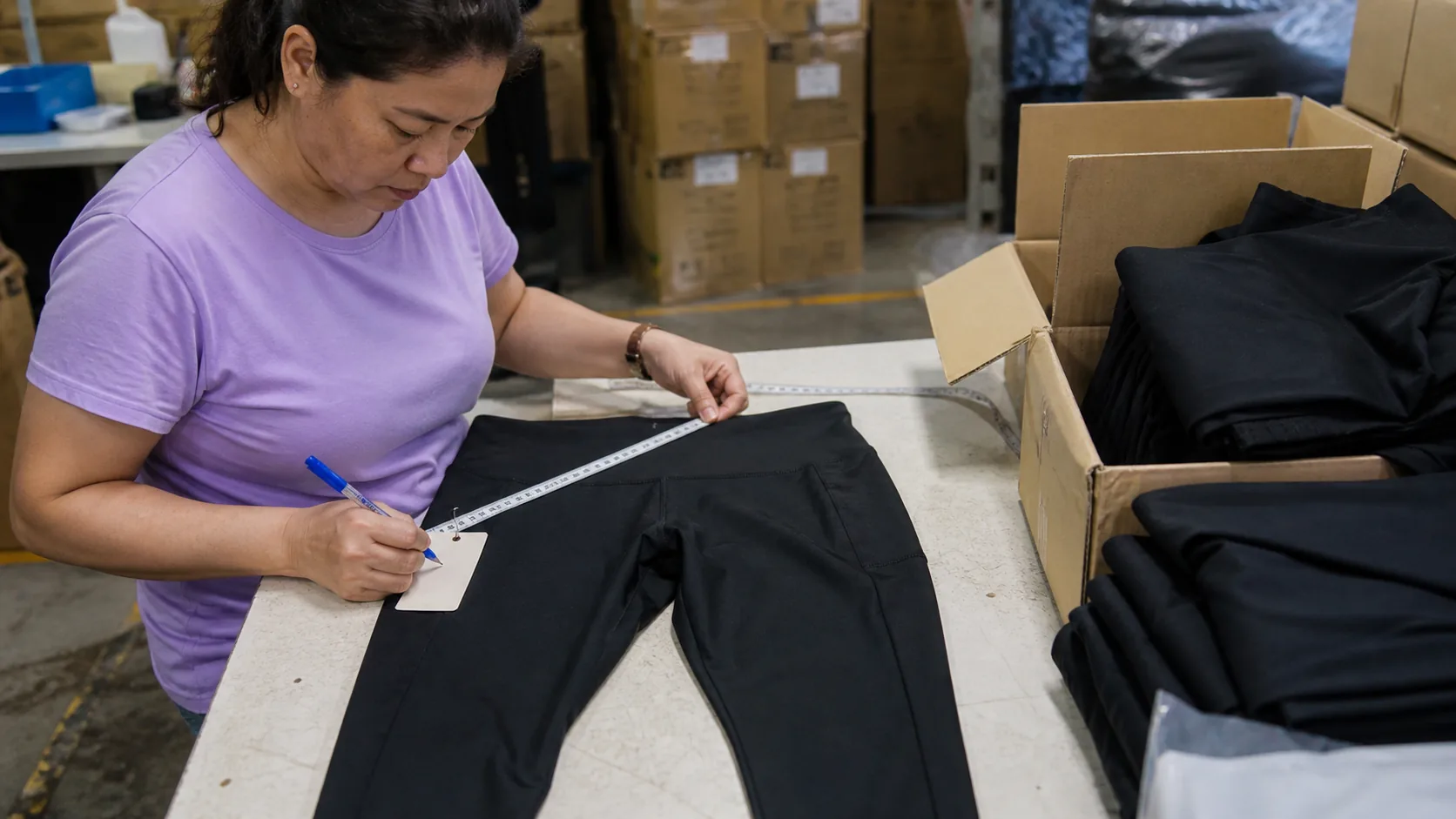
AQL chooses a sample plan. It does not define your product quality.
Pair acceptance sampling with an approved specification and a yoga-specific defect library.
Read buyer guide ↗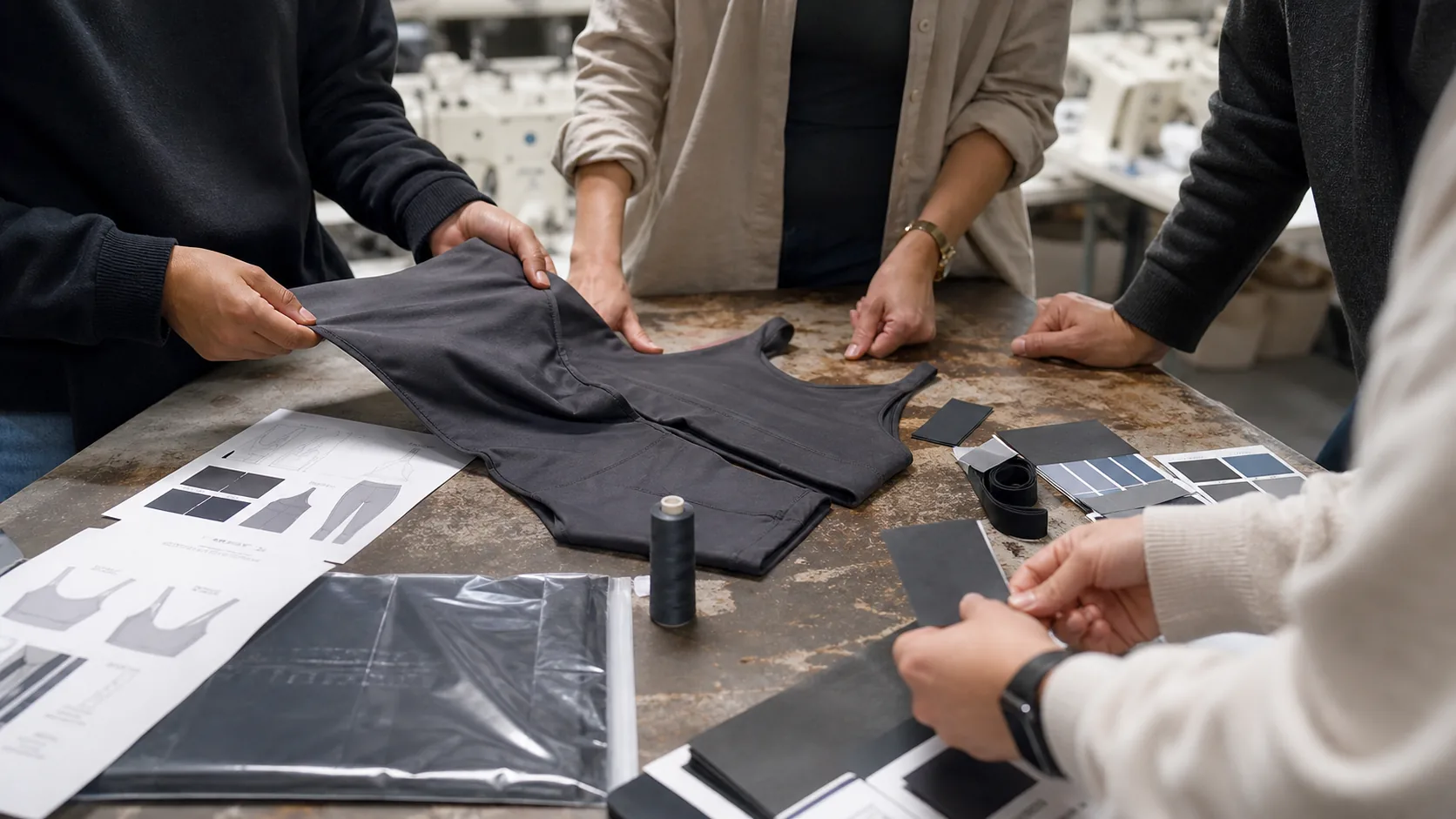
Pre-production approval should leave one reproducible baseline.
Bulk should begin from a controlled packet—not a collection of remembered messages.
Read buyer guide ↗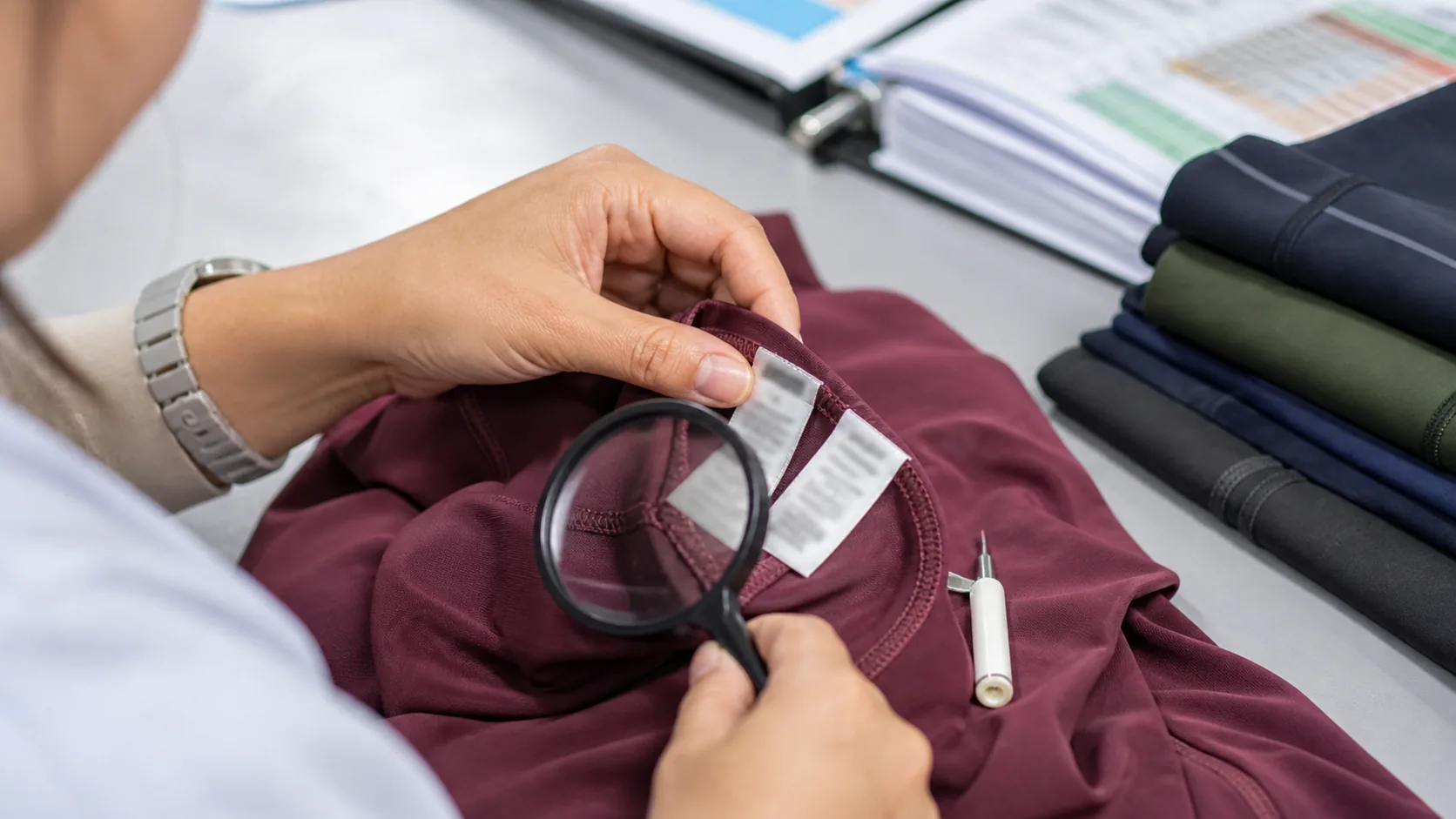
Build the label from the product evidence—not from another style.
Fiber, origin, business identity and care instructions need an auditable basis.
Read buyer guide ↗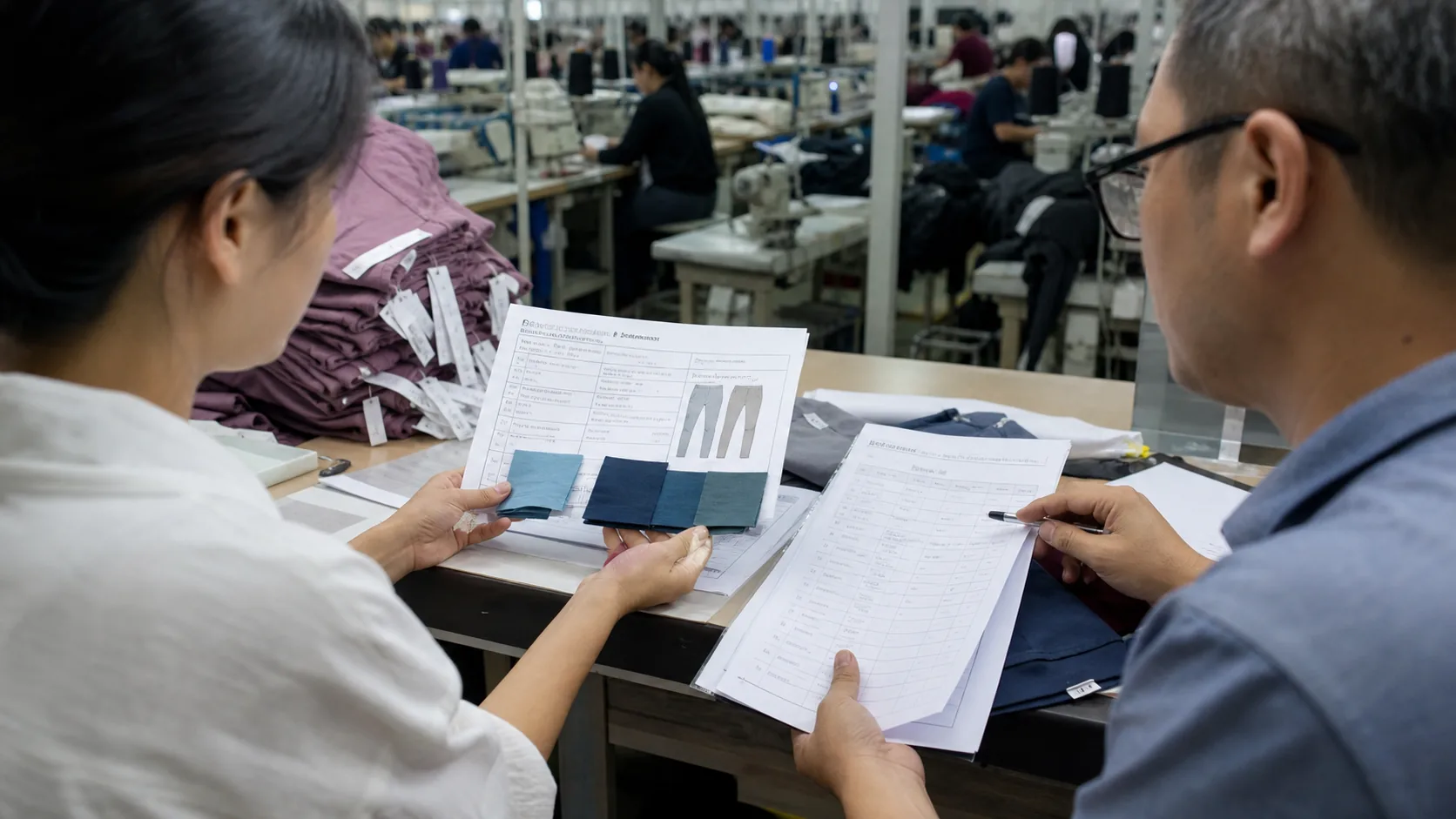
Ask what each document proves—and what it does not.
Evidence becomes useful only when its holder, scope, date and product connection are clear.
Read buyer guide ↗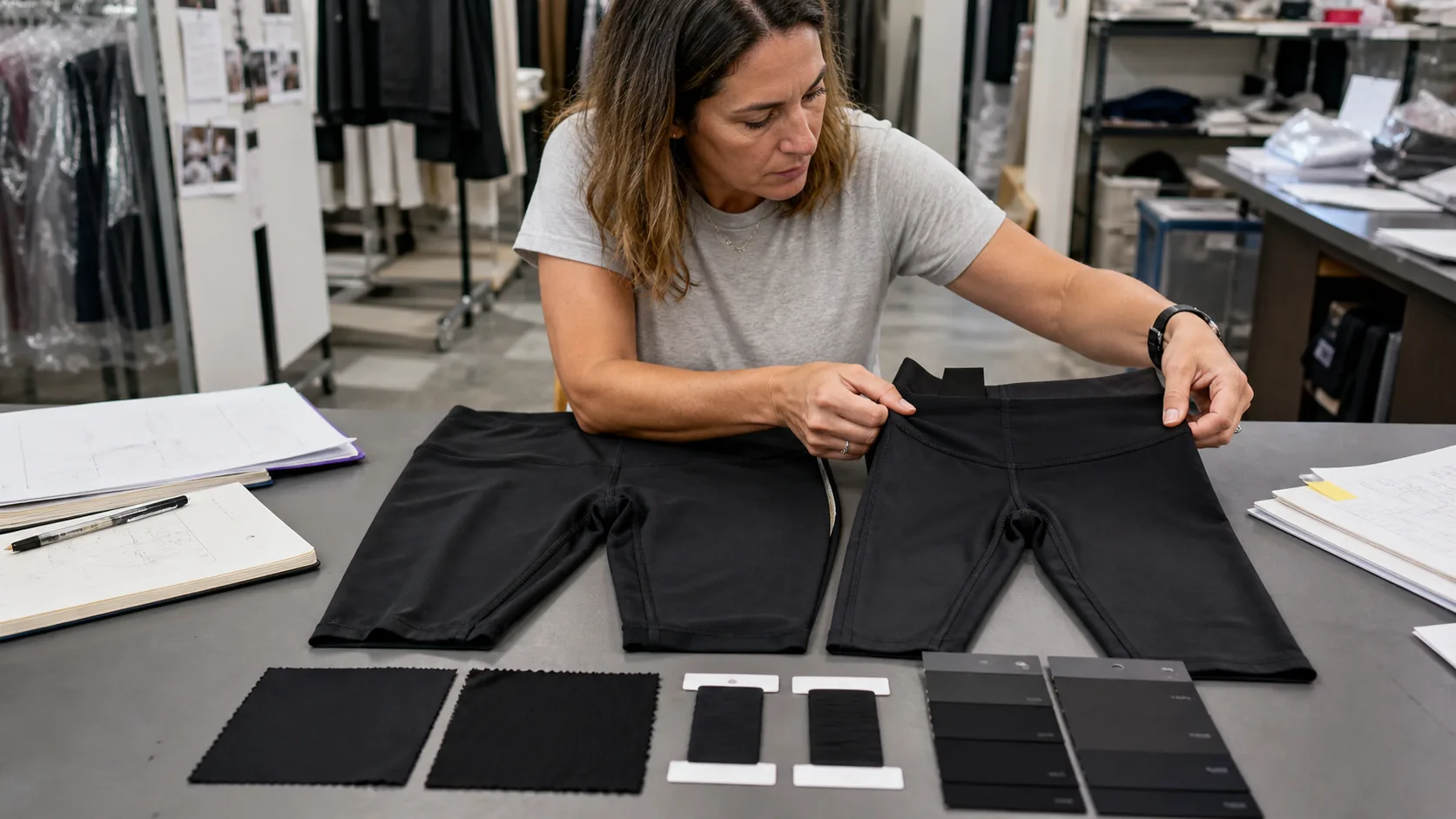
A reorder is a new production event—not a copy button.
Preserve what worked, disclose what changed and reapprove the attributes affected.
Read buyer guide ↗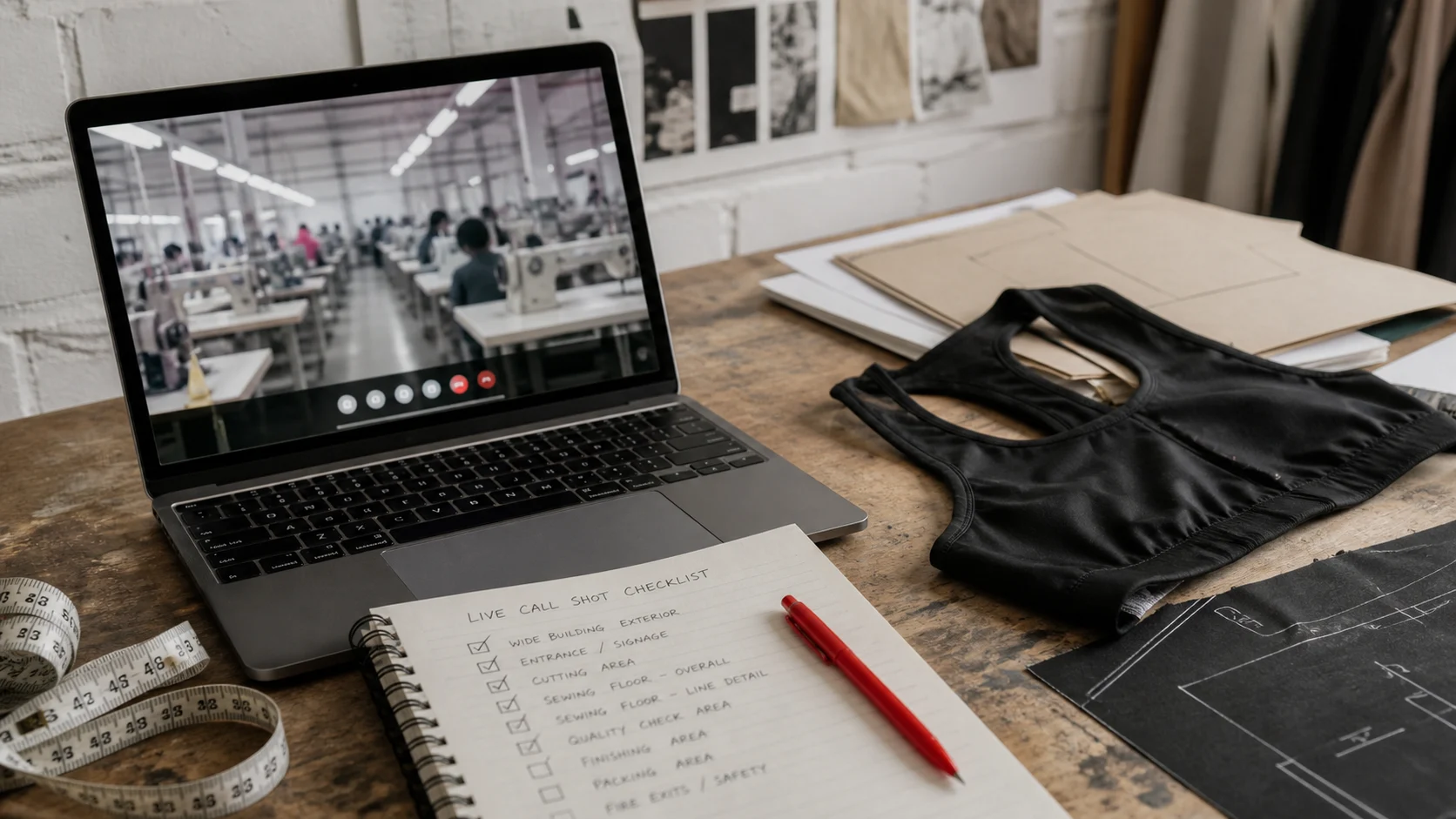
What should you ask to see on an activewear factory video call?
A useful live call follows one proposed product route and ends with records you can cross-check.
Read buyer guide ↗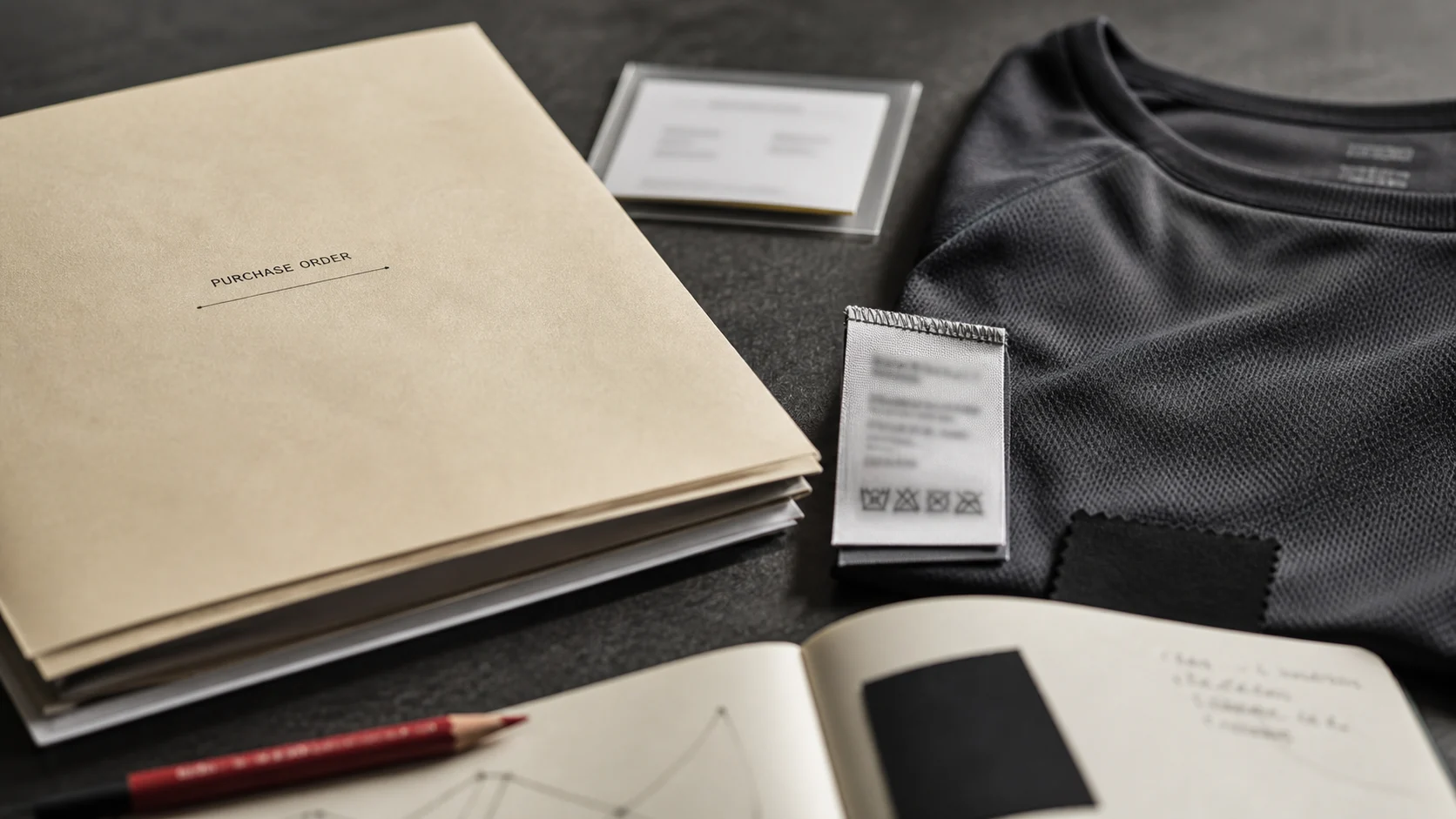
Is your activewear supplier the company that will actually make the order?
One order can involve several legitimate entities; the risk is leaving their roles unnamed.
Read buyer guide ↗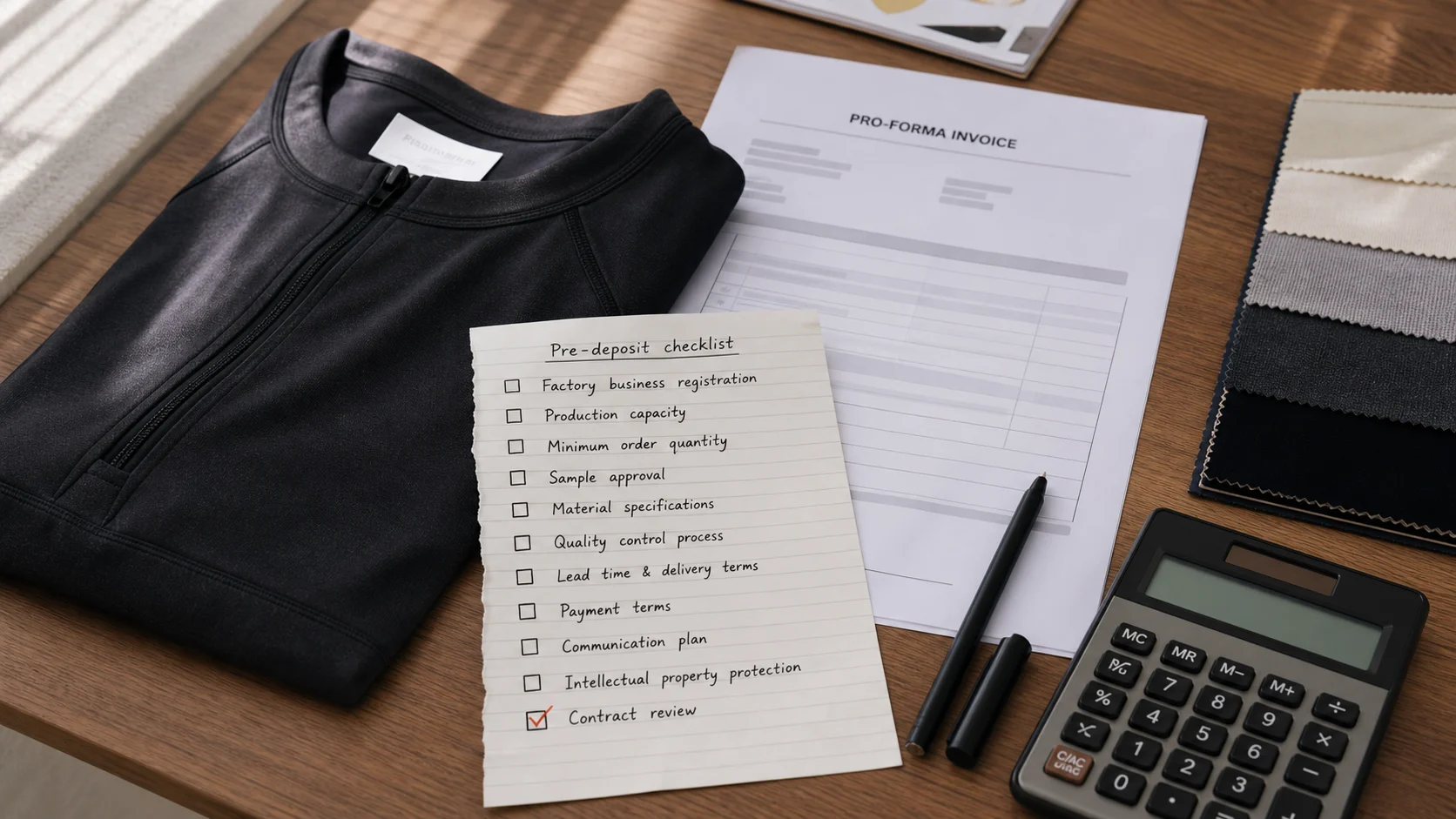
What should you verify before paying an activewear manufacturer deposit?
The deposit should commit a defined project with a known counterparty—not fund unresolved assumptions.
Read buyer guide ↗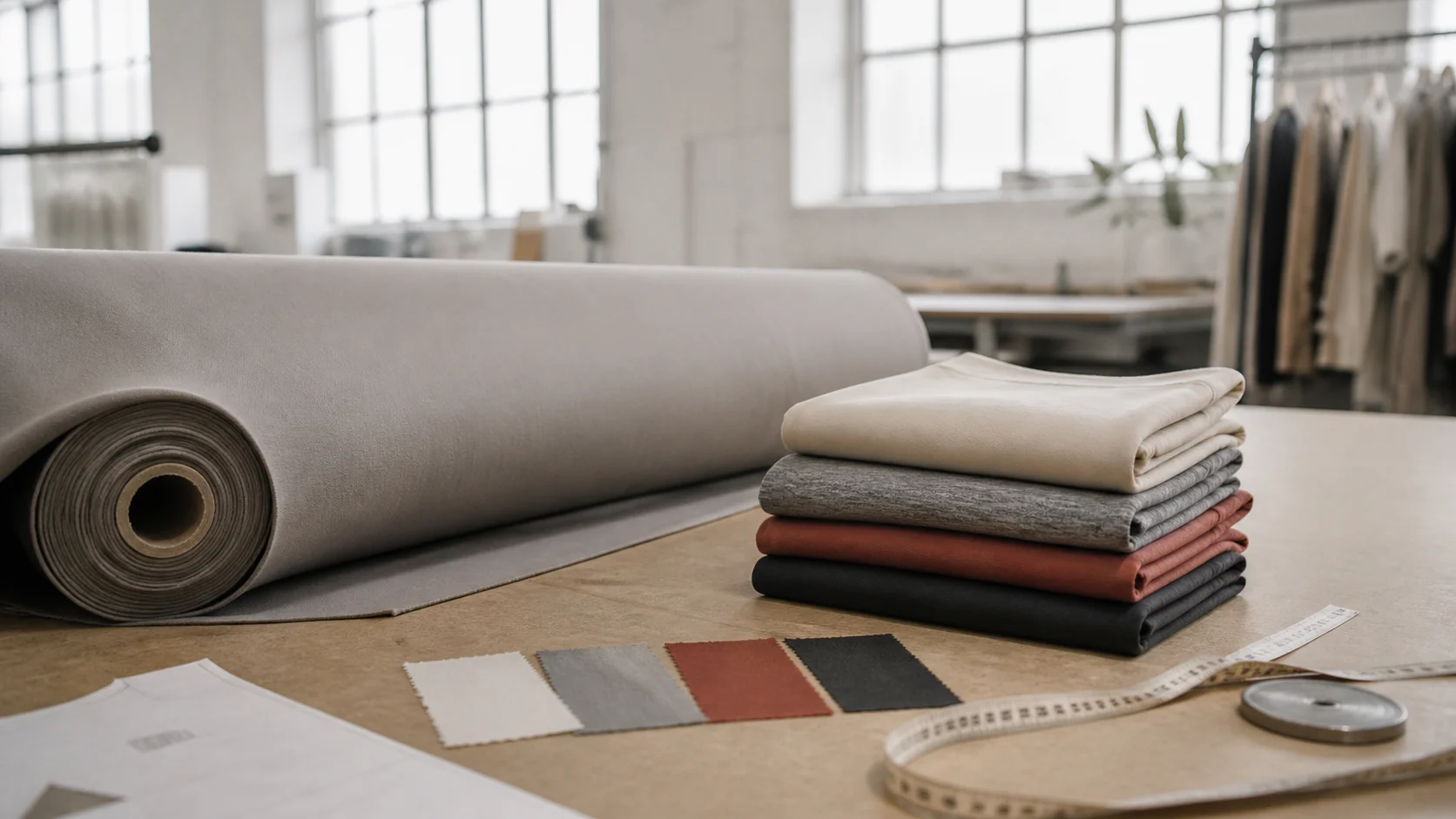
Why can a factory sew your quantity but still reject the activewear order?
The sewing minimum may be workable while fabric, color or trim minimums are not.
Read buyer guide ↗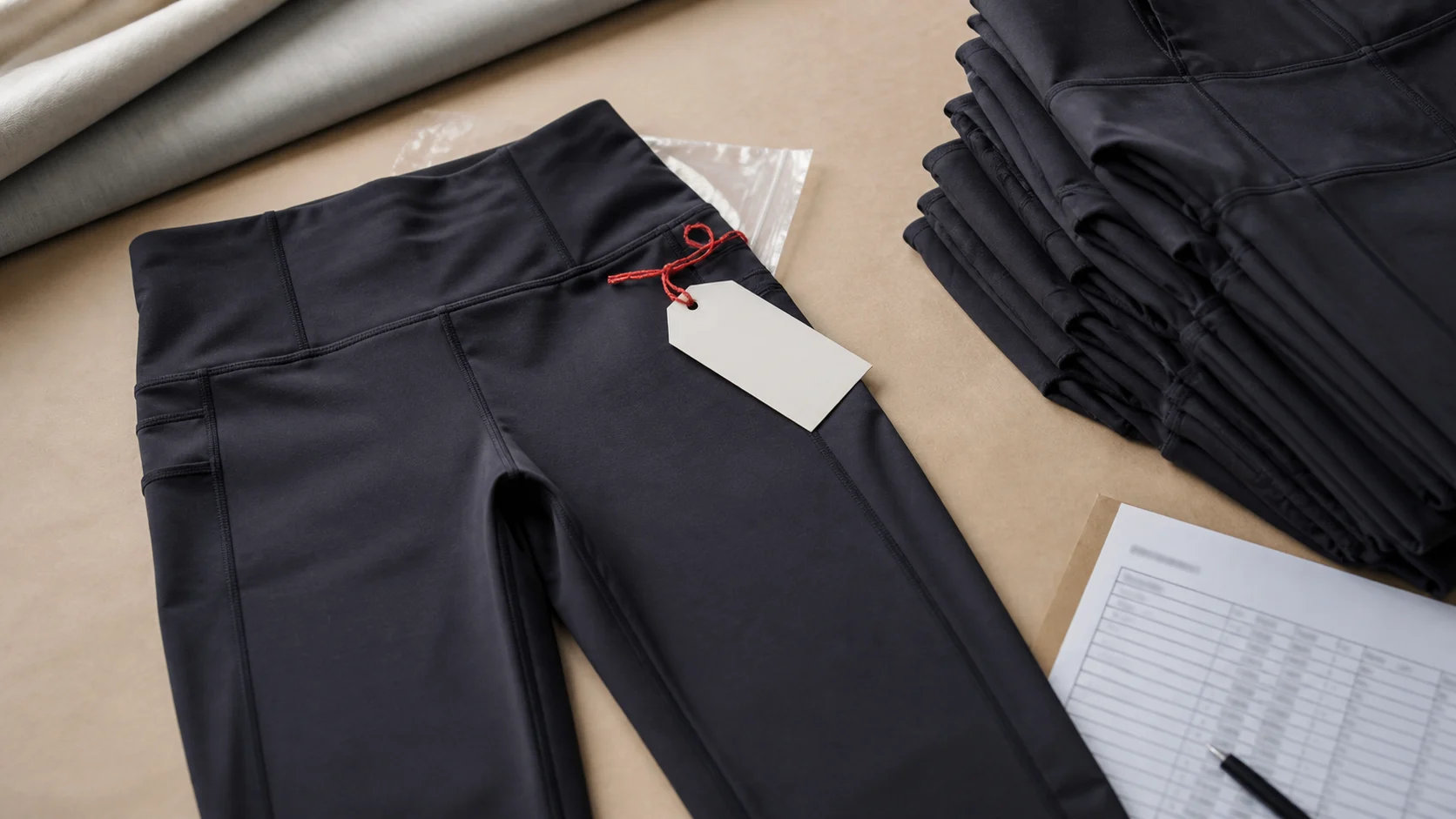
Why can approved activewear samples still become different bulk goods?
A sample is only a standard when its materials, measurements, workmanship and revision are connected to production.
Read buyer guide ↗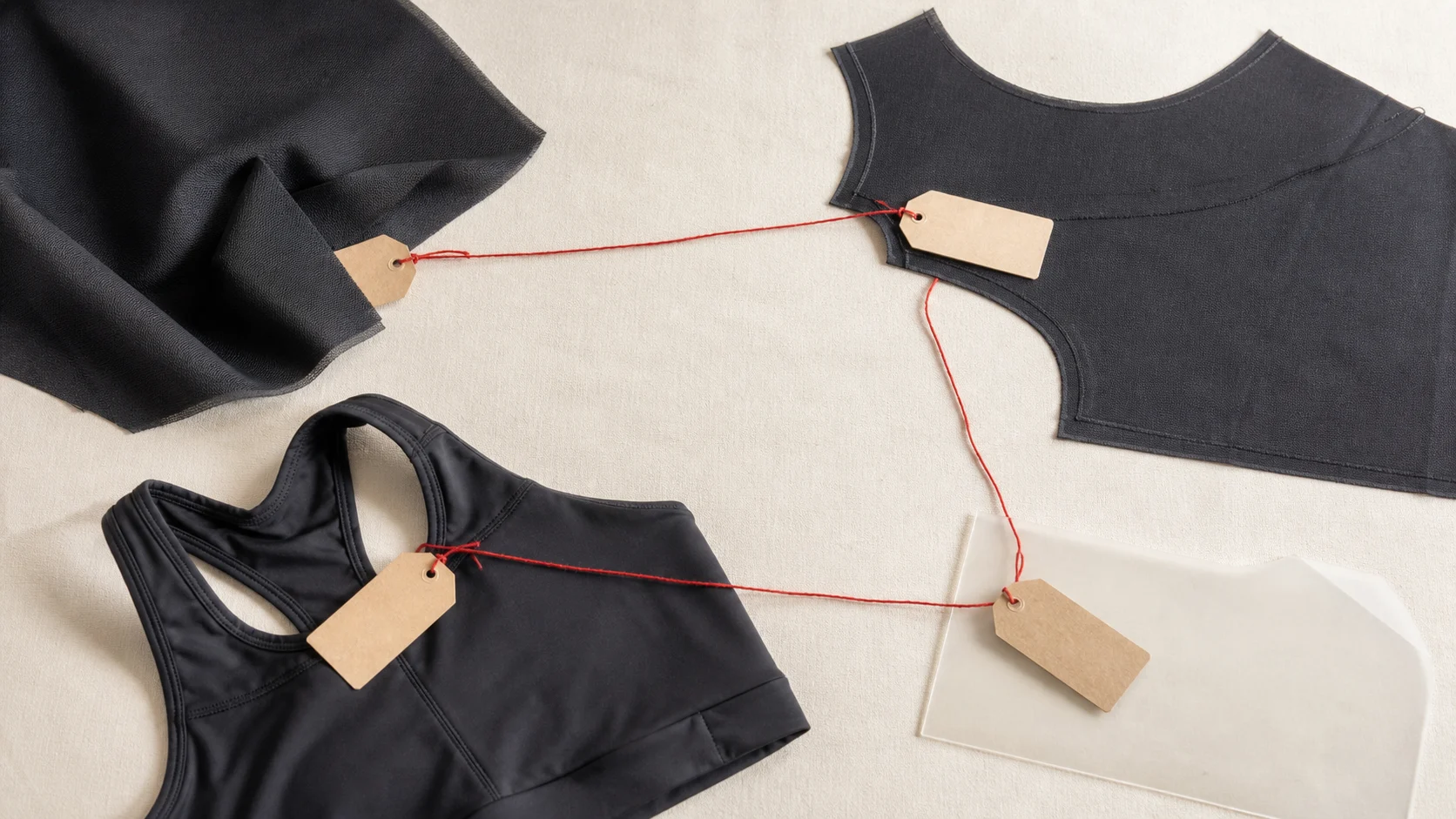
Is subcontracting in activewear production always a problem?
Specialist outsourcing can be legitimate; undisclosed route changes break verification and control.
Read buyer guide ↗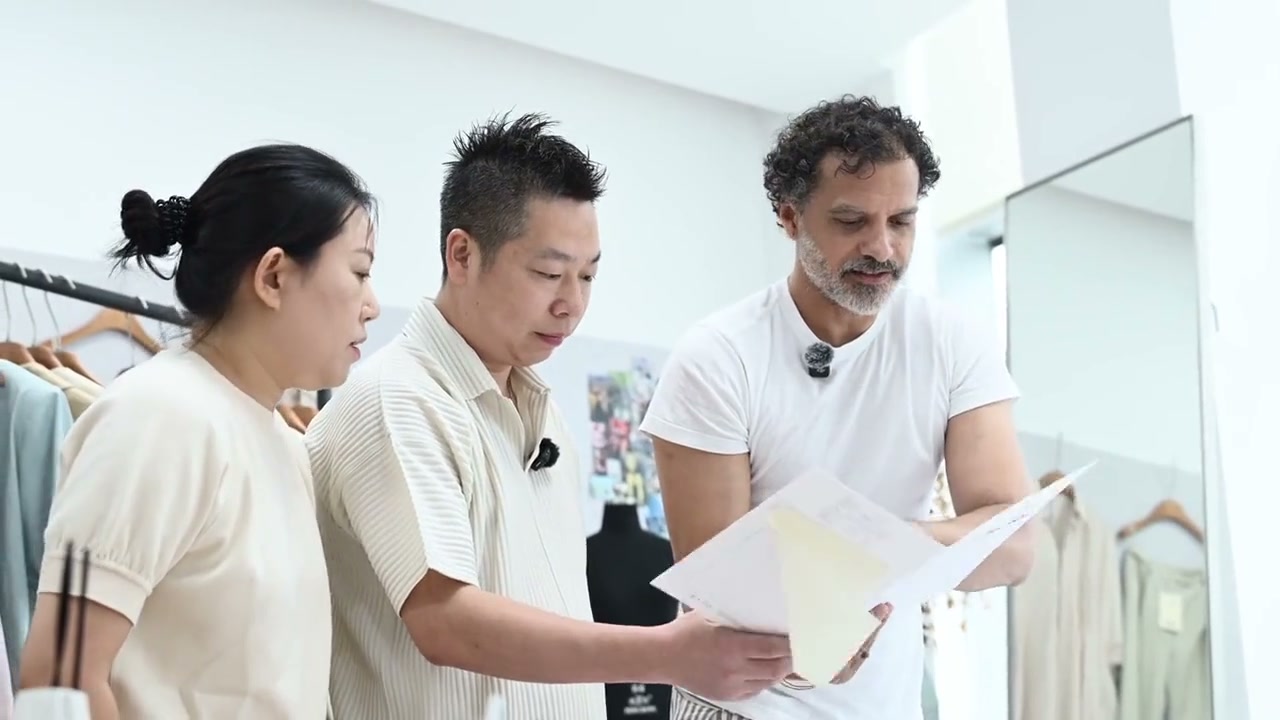
Why is an activewear manufacturer not replying to my inquiry?
Make the first reply a small, answerable decision—not a request to price an entire brand.
Read buyer guide ↗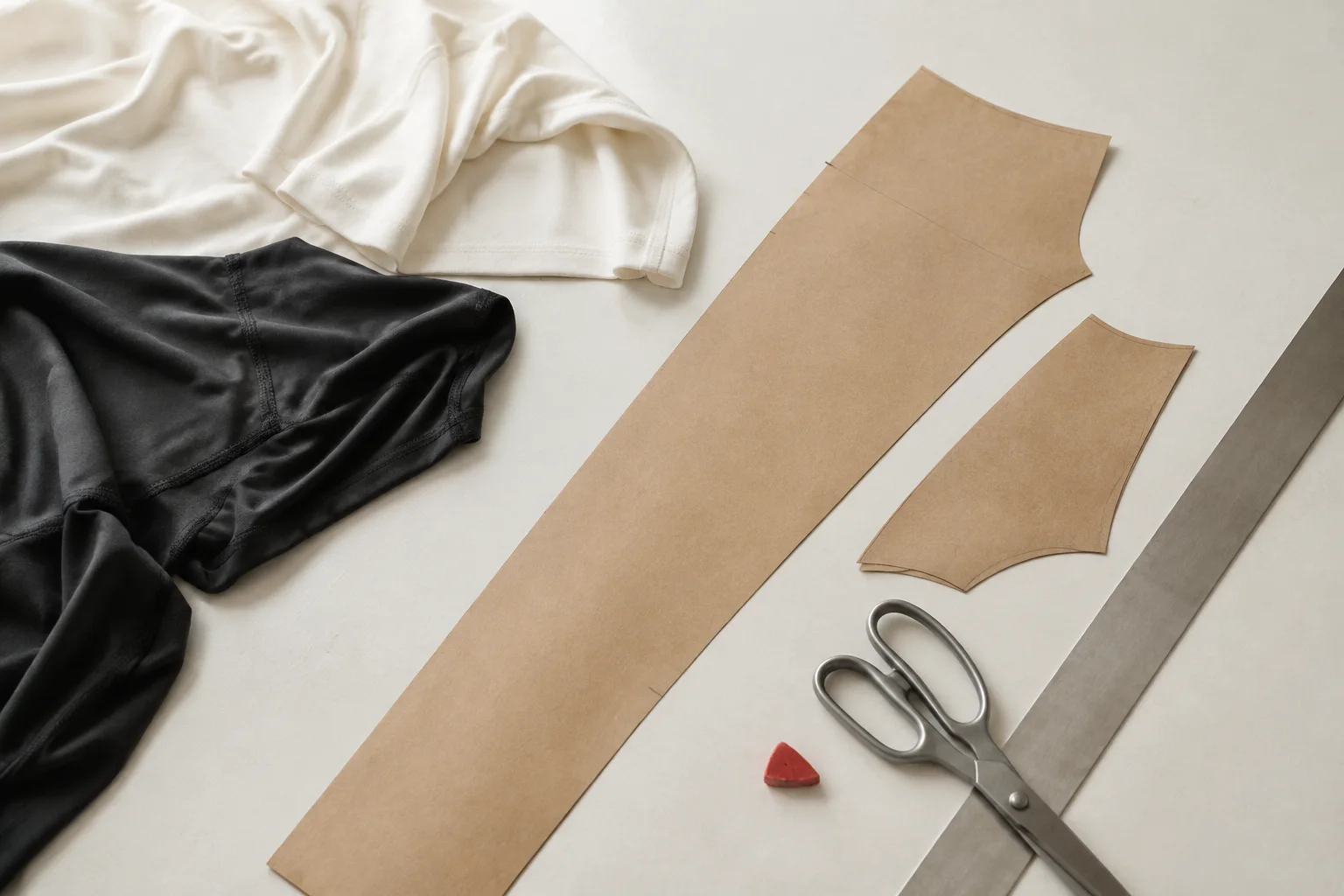
Can an activewear factory make a sample from a tech pack without a pattern?
The important question is who will create the missing production information.
Read buyer guide ↗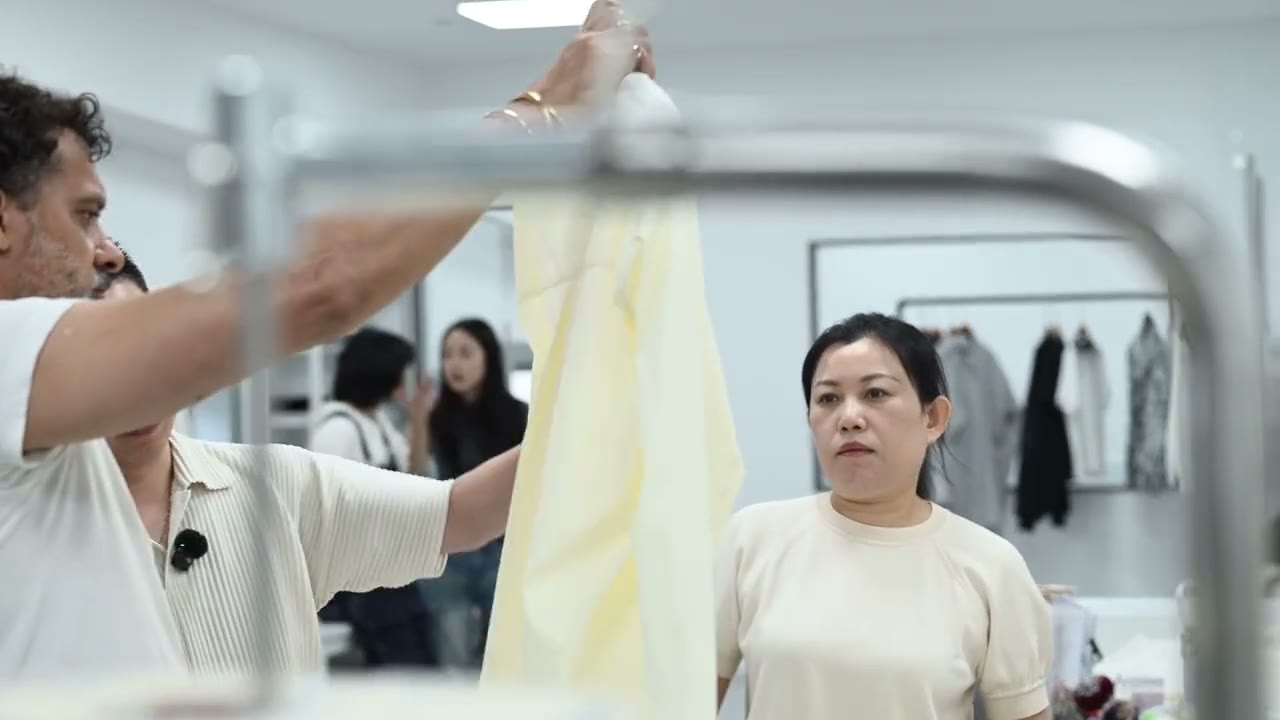
My first activewear sample is wrong. Should I revise it or change factories?
Separate a missed instruction from a missing decision before commissioning another sample.
Read buyer guide ↗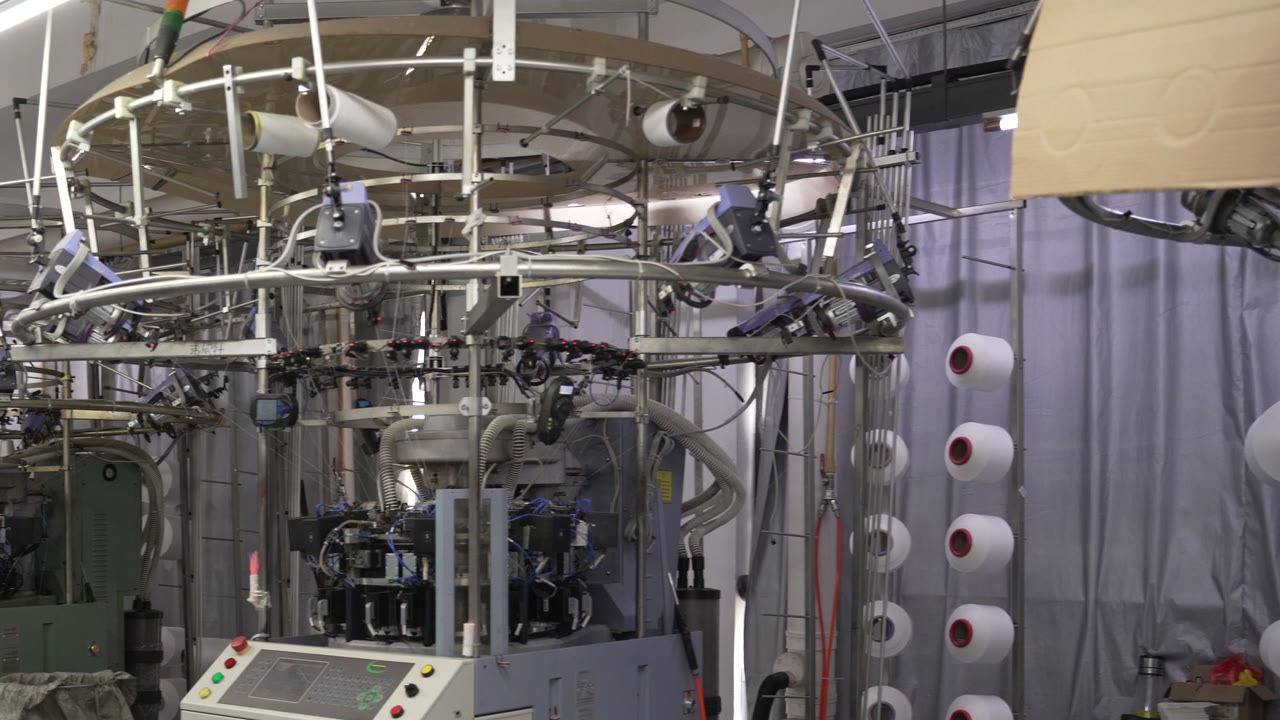
Wicking moves sweat. Breathability moves air and vapor.
Specify each as a measured fabric property—not a fiber name, an adjective or another brand’s technology label.
Read buyer guide ↗
Who makes Athleta, SKIMS, Vuori and other activewear brands?
Start with what each brand officially publishes, and treat anything it leaves out as unverified.
Read buyer guide ↗
Which product-safety and chemical rules apply to activewear sold in the US?
Separate what each law requires from what a supplier certificate or promise can show.
Read buyer guide ↗
How do you start an activewear brand, and what does the budget need to cover?
Plan the launch as a sequence of decisions, and price each cost line before cash goes into stock.
Read buyer guide ↗
An activewear size chart starts with body measurements—not size labels.
Keep the chart customers read separate from the garment measurements, grade rules and tolerances that production uses.
Read buyer guide ↗
How do you find the HS code, import duty and landed cost for activewear?
Build landed cost from the product’s classification and the price term—not from a duty rate someone quoted online.
Read buyer guide ↗
What should an activewear care label say, and how do you prove it?
Write washing, drying, bleach and ironing instructions from finished-garment evidence, then answer customers’ care questions from the same record.
Read buyer guide ↗Side-by-side buyer decisions
Comparison reviews
13 guides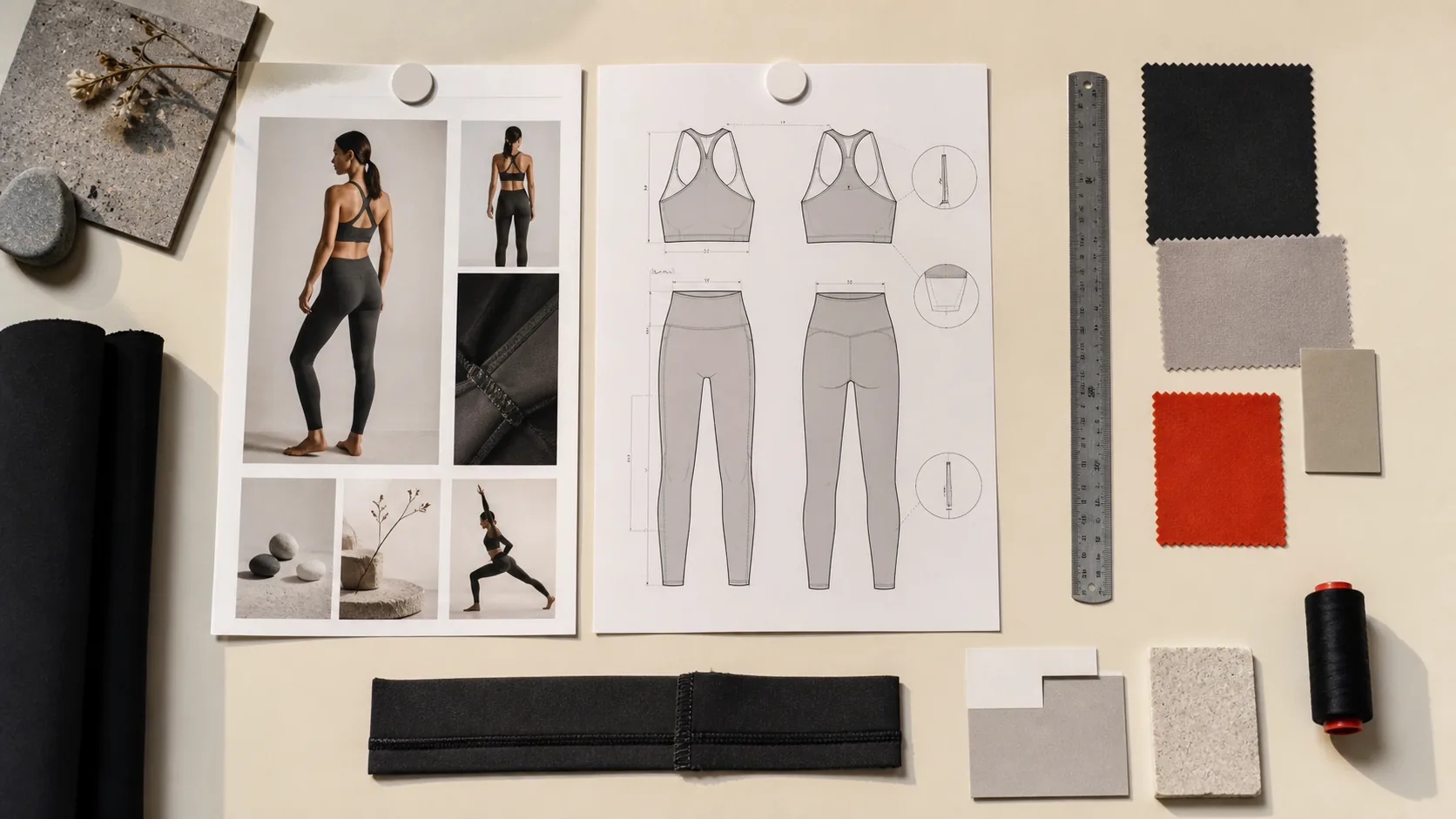
Product brief or tech pack: what does your yoga style need?
Use the lightest document that can support the next decision—then tighten it into one controlled production specification.
Read buyer guide ↗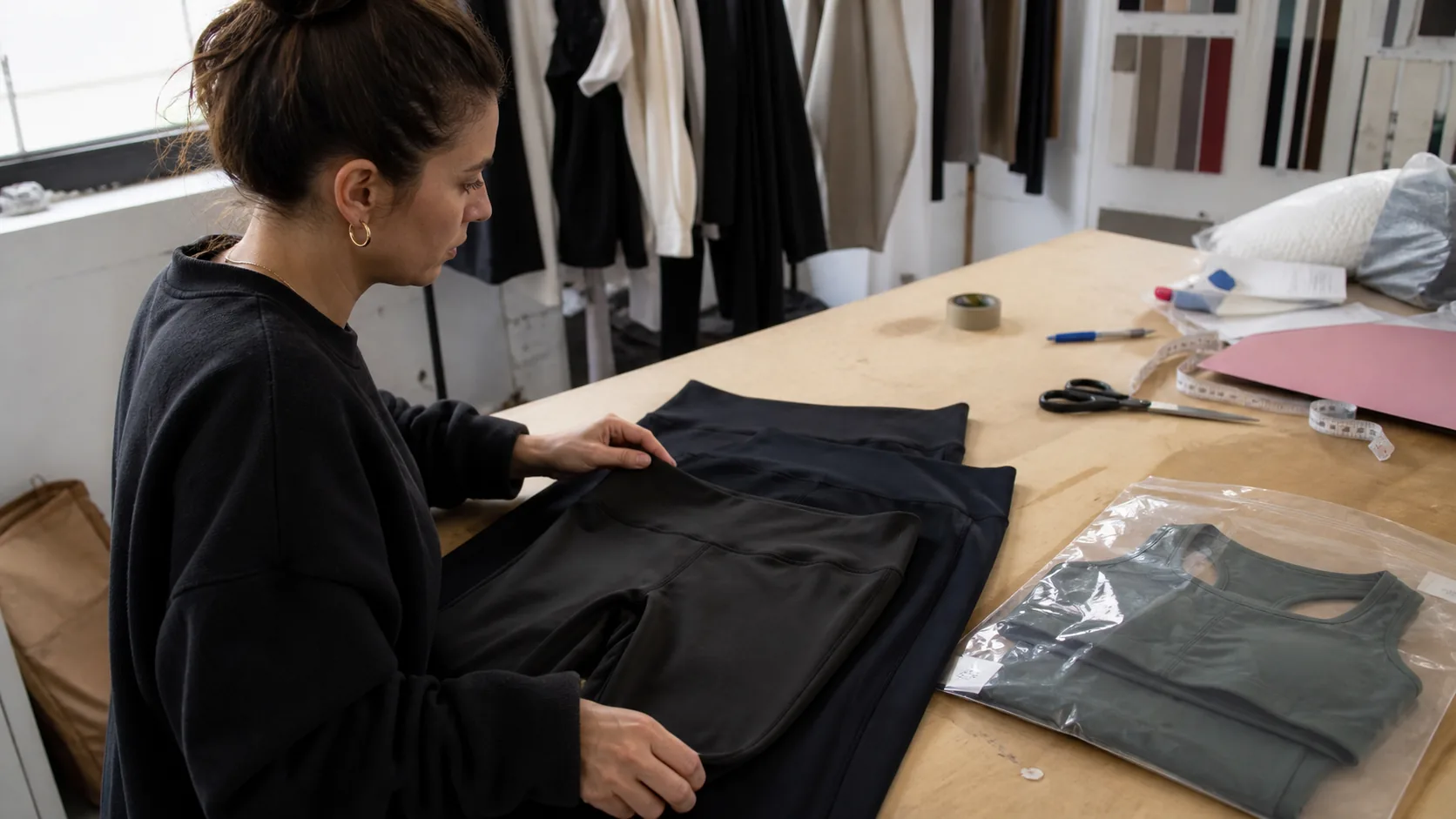
Size set and pre-production samples answer different questions.
One tests the grade. The other locks the manufacturing baseline.
Read buyer guide ↗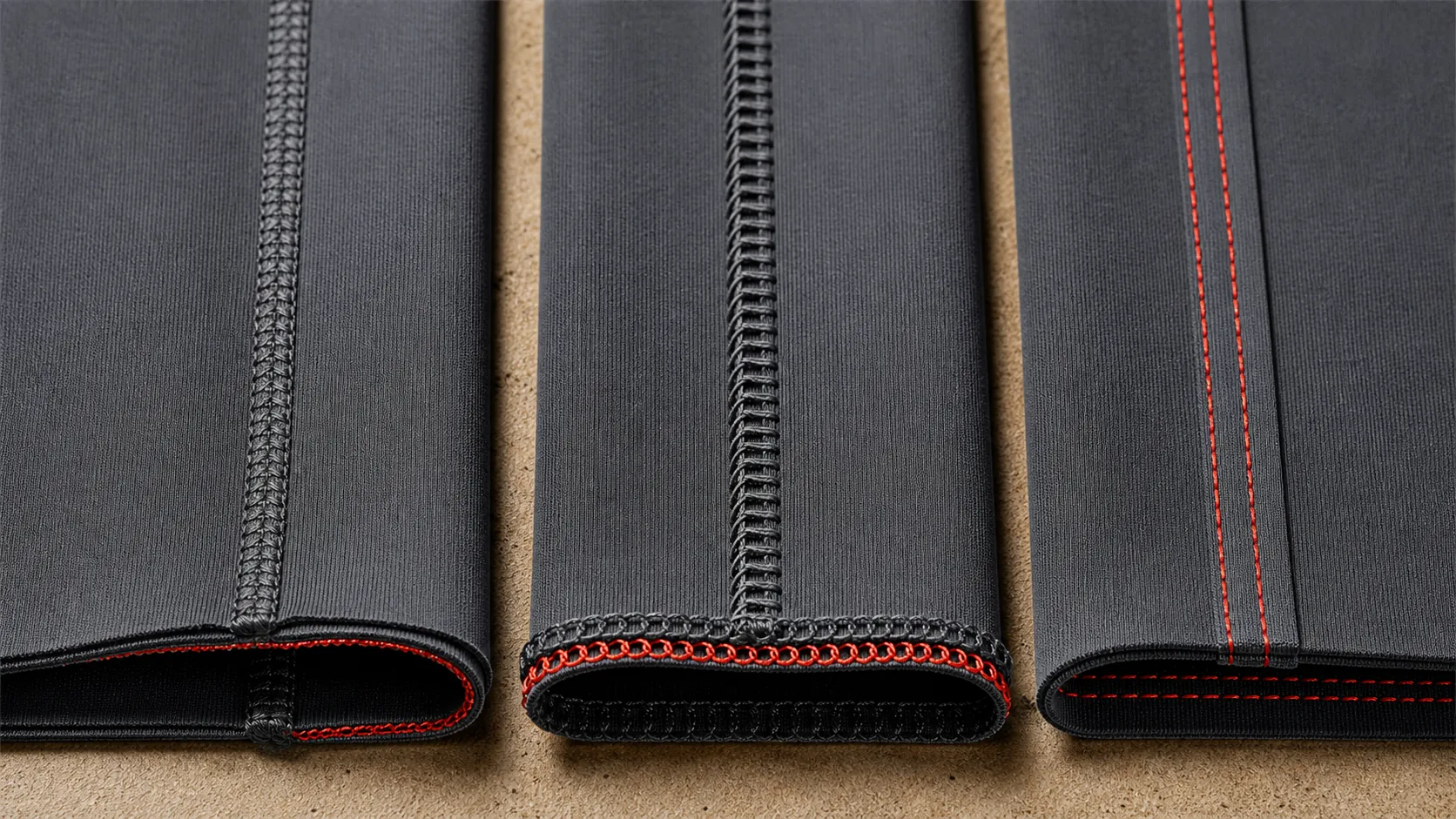
Choose the seam for the contact zone and construction—not the label.
Flat appearance, low bulk and stretch performance come from a complete seam specification.
Read buyer guide ↗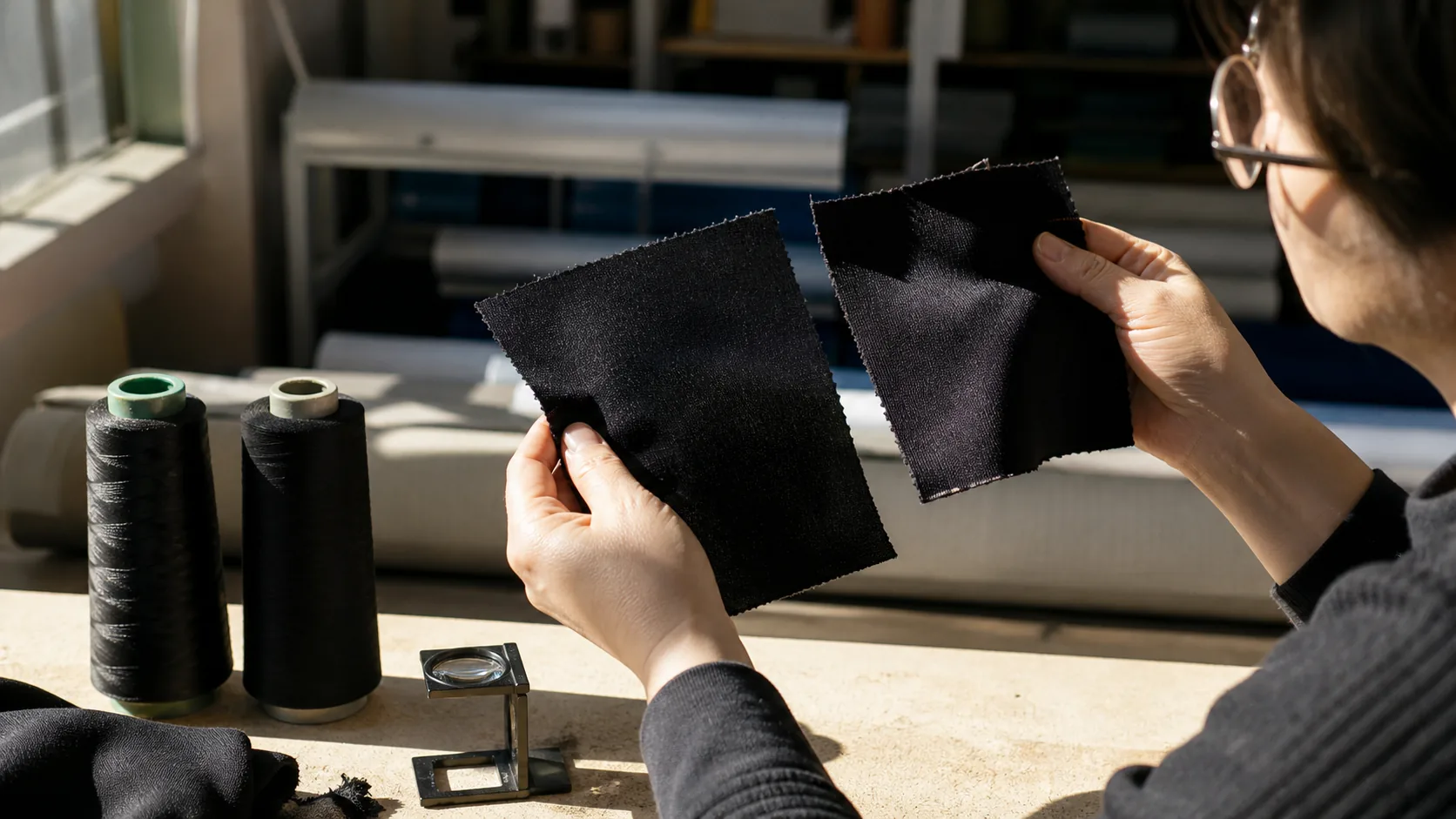
Choose nylon or polyester after defining the garment’s job.
Fiber name is a starting point. Yarn, knit, finish, dyeing and garment strain determine the result.
Read buyer guide ↗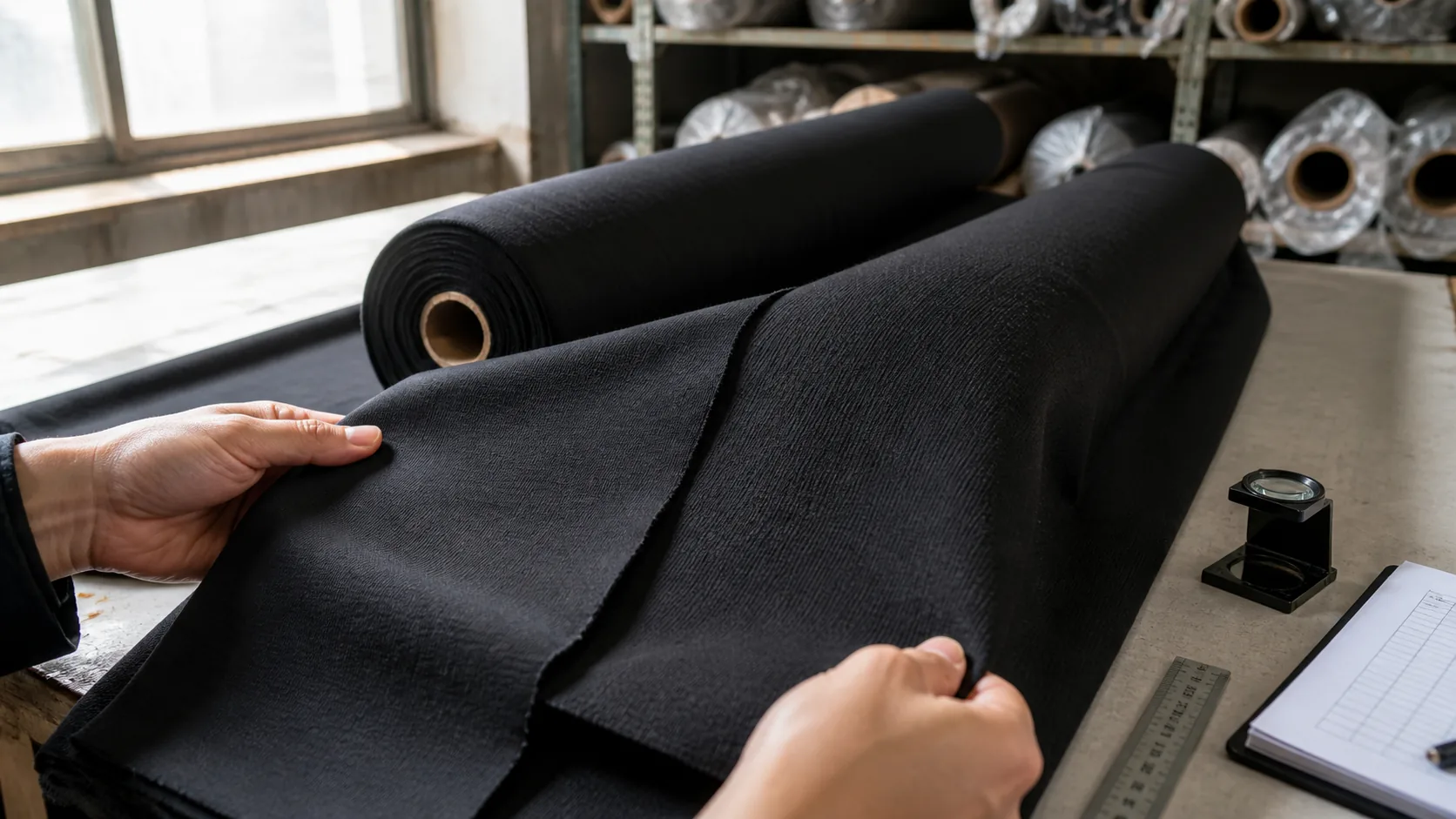
Composition and GSM do not identify a yoga fabric.
Yarn, knit density, dyeing, finishing and quality control still shape the garment.
Read buyer guide ↗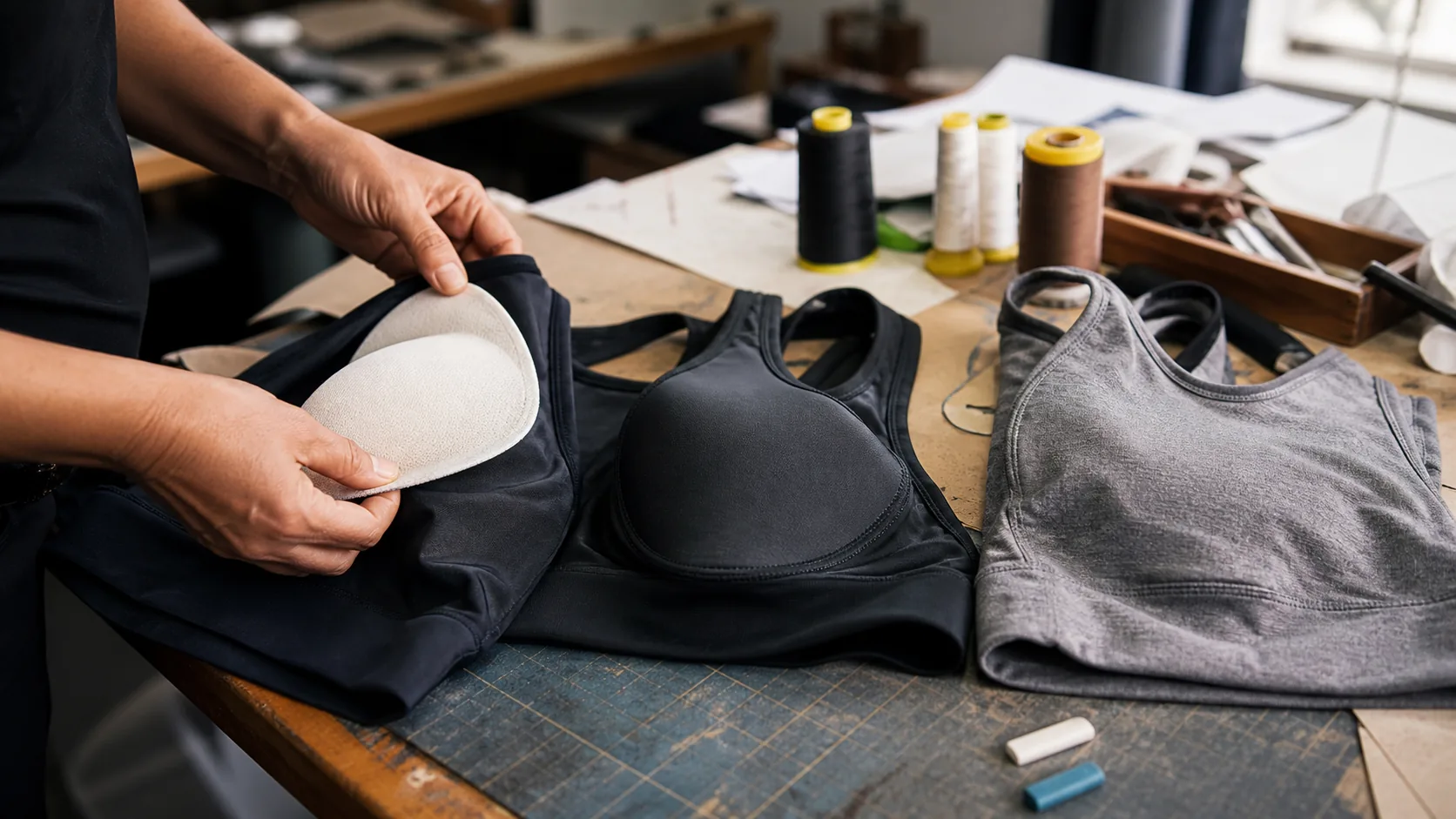
Choose the cup system for the customer’s use—not the easiest default.
Internal construction changes shaping, care, drying and fit across the size range.
Read buyer guide ↗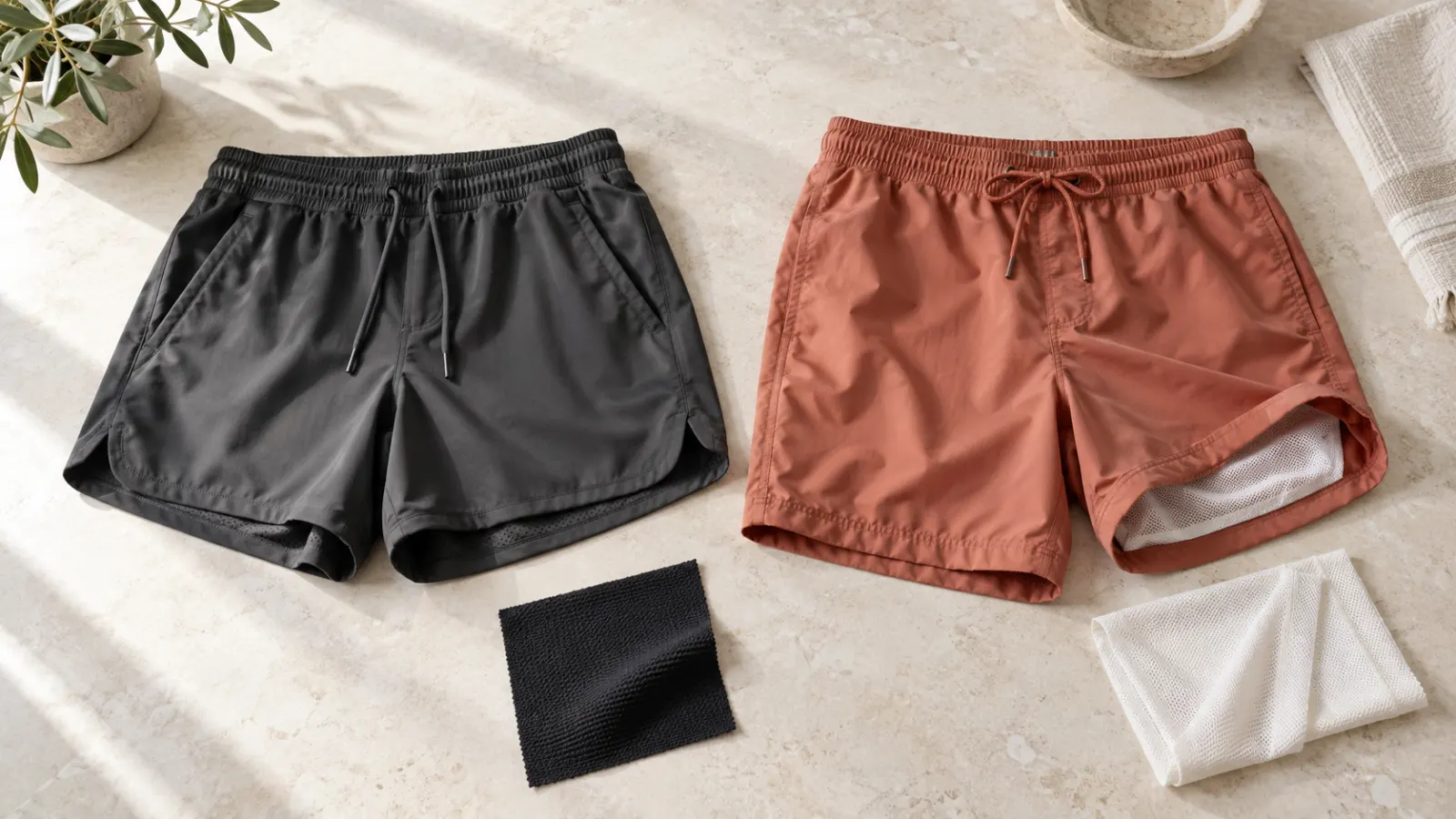
Activewear vs Swimwear: What Changes?
Short answer: do not treat activewear as swimwear unless the actual product is intended and evaluated for that use. Similar shape or fibre content is not enough. A swimming brief must identify the water exposure, construction, wet fit, coverage and care conditions that the garment needs to address.
Read buyer guide ↗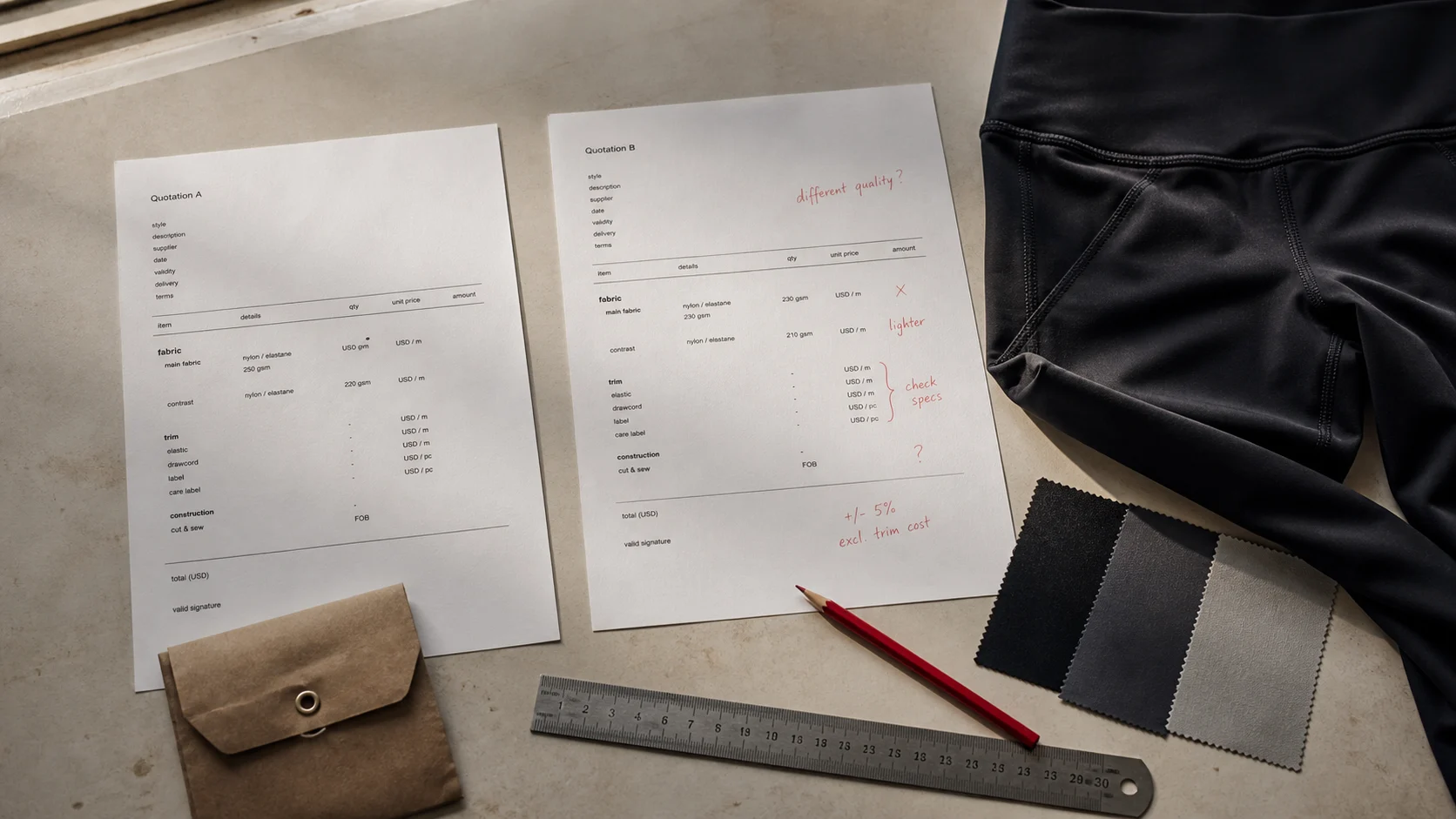
How do you compare activewear factory quotes that include different things?
Turn each quote into the same commercial and technical baseline before deciding which number is lower.
Read buyer guide ↗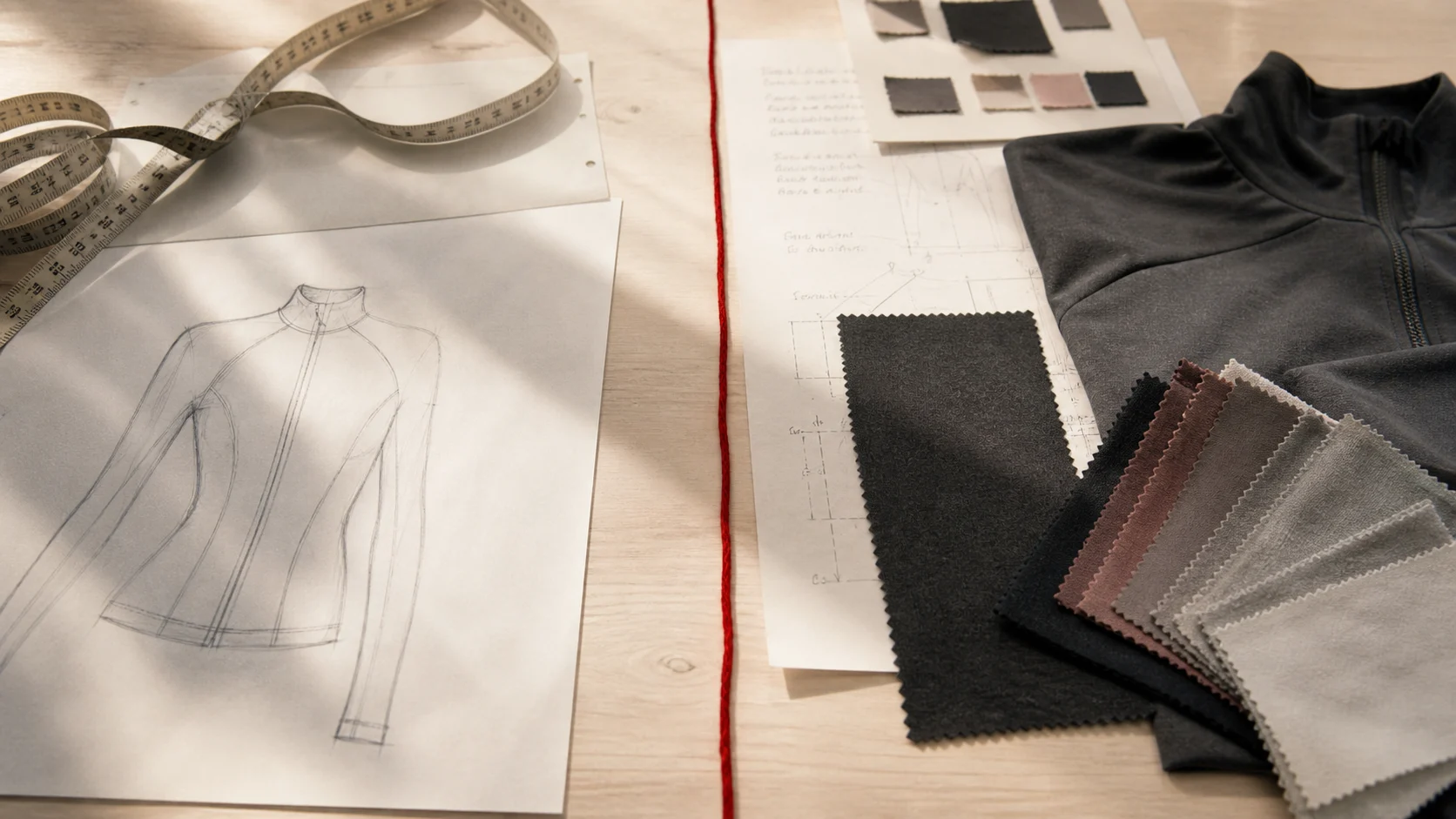
What should an activewear OEM or ODM responsibility matrix include?
The label matters less than the written ownership, approval and handoff behind each decision.
Read buyer guide ↗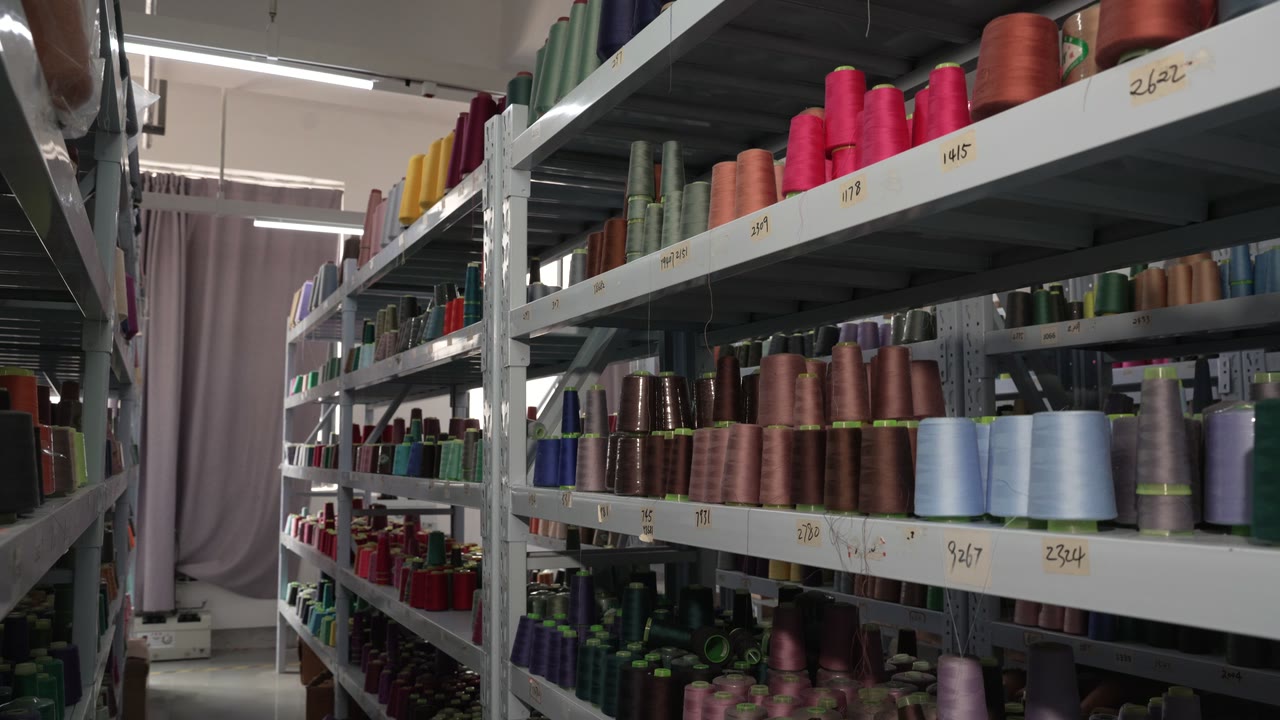
OEKO-TEX, GRS or GOTS: what does each activewear certificate prove?
Match the certificate to the claim, the holder and the exact goods before anything is printed.
Read buyer guide ↗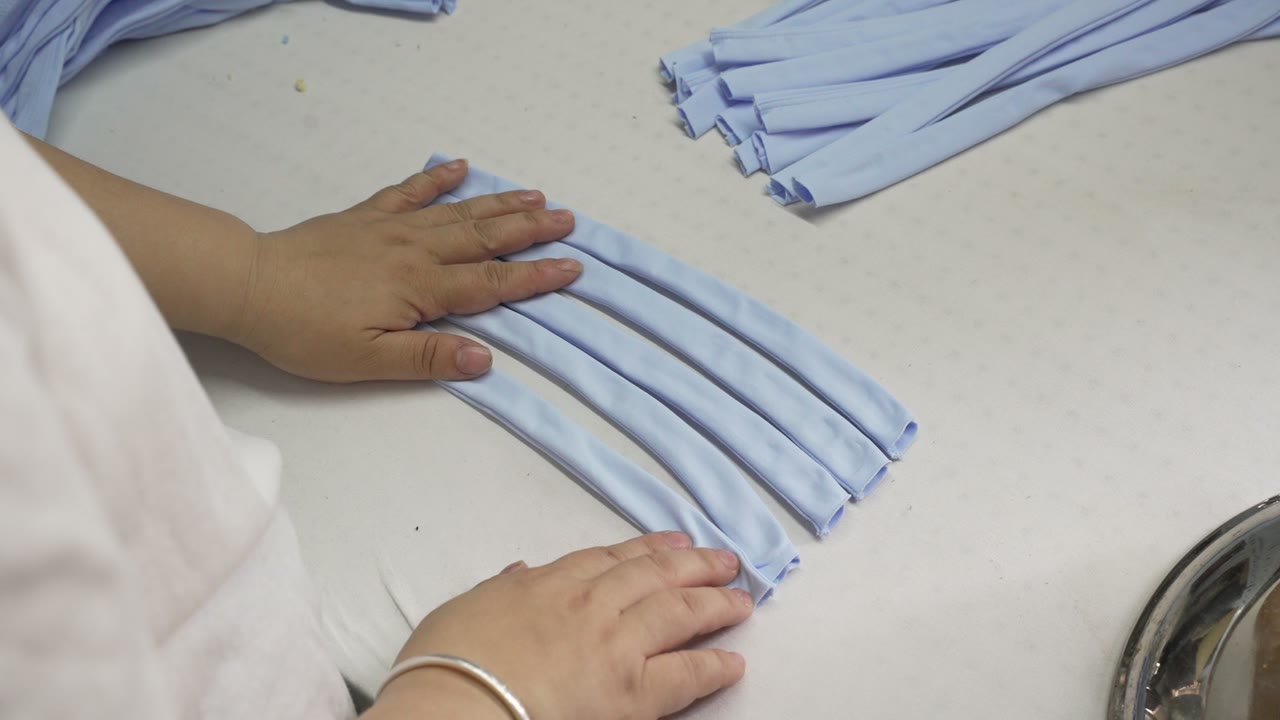
Bike, running, compression or 2-in-1: which shorts are you developing?
The product name is only a starting point. Layer role, leg finish, liner, pad and pockets decide what each sample must prove.
Read buyer guide ↗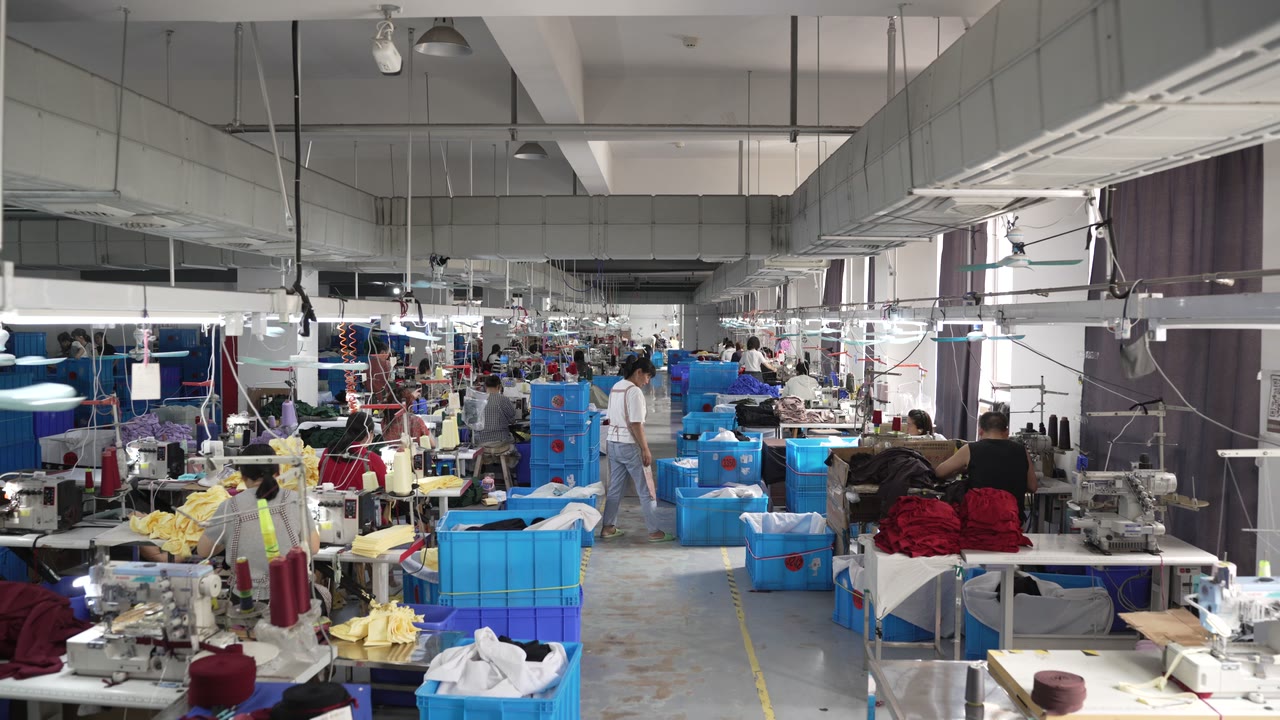
Which country should manufacture your activewear?
Compare supply-chain depth, origin rules and duty exposure first—then qualify the factory, not the flag.
Read buyer guide ↗
Should an activewear order be priced FOB, EXW or DDP?
Pick the Incoterms® rule that matches who will book freight, clear customs and pay duty—then name the place and the edition.
Read buyer guide ↗Disclosed methodology and source-led shortlists
Rankings
6 guides
Five activewear development partners to research when the brief is not finished.
A narrow ranking for brands starting with a sketch, reference sample or unresolved specification—not a global factory league table.
Read methodology and ranking ↗
Five public sportswear supplier resources, ranked for buyer usefulness.
Official factory data remains the source of record; the ranking asks which resource best helps a buyer interpret what the disclosure proves.
Read methodology and ranking ↗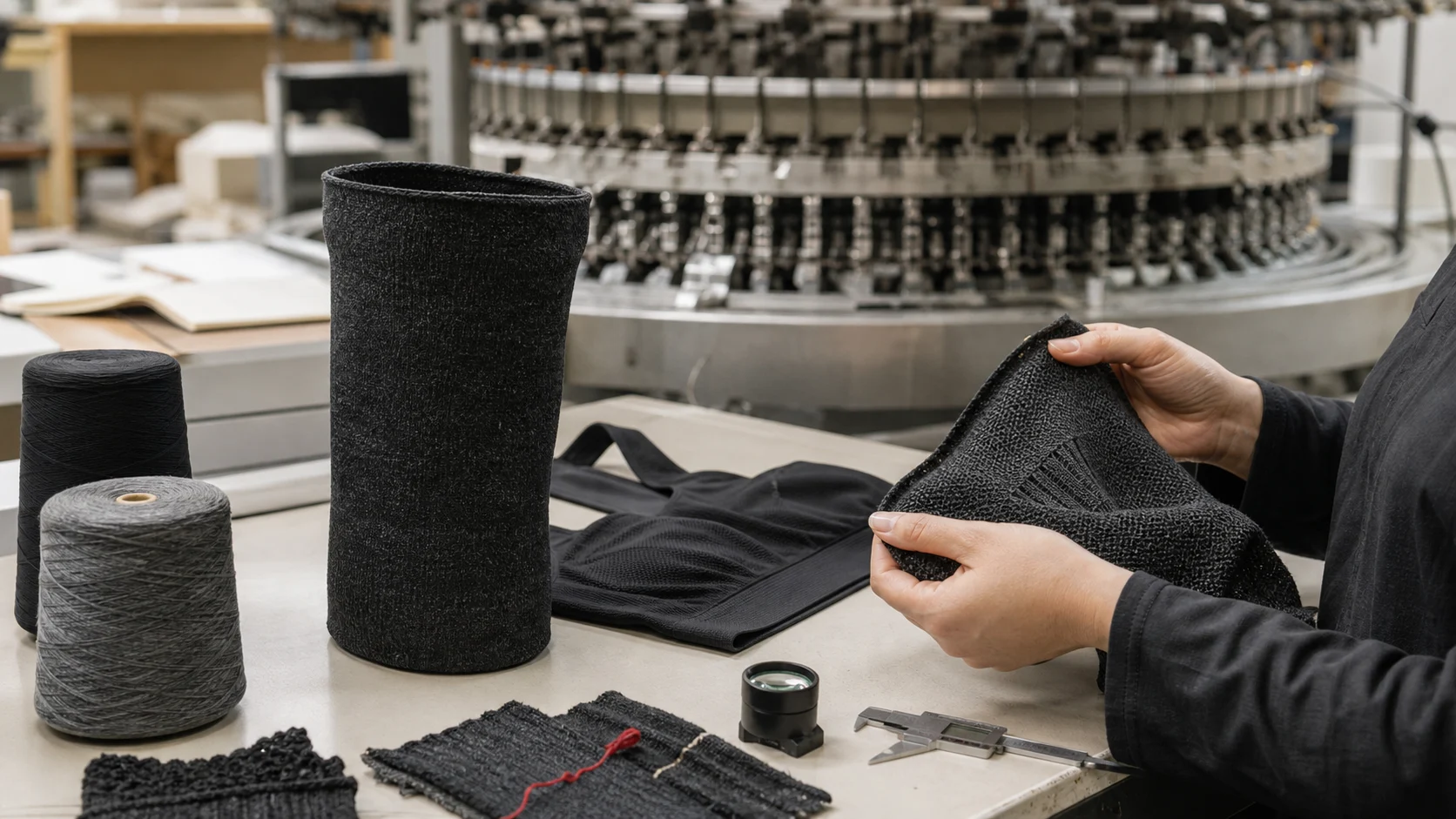
Five seamless activewear manufacturer routes to research in 2026.
Technology evidence first: circular knitting, yarn and stitch engineering, dyeing, finishing, sewing and the exact facility route behind the sample.
Read methodology and ranking ↗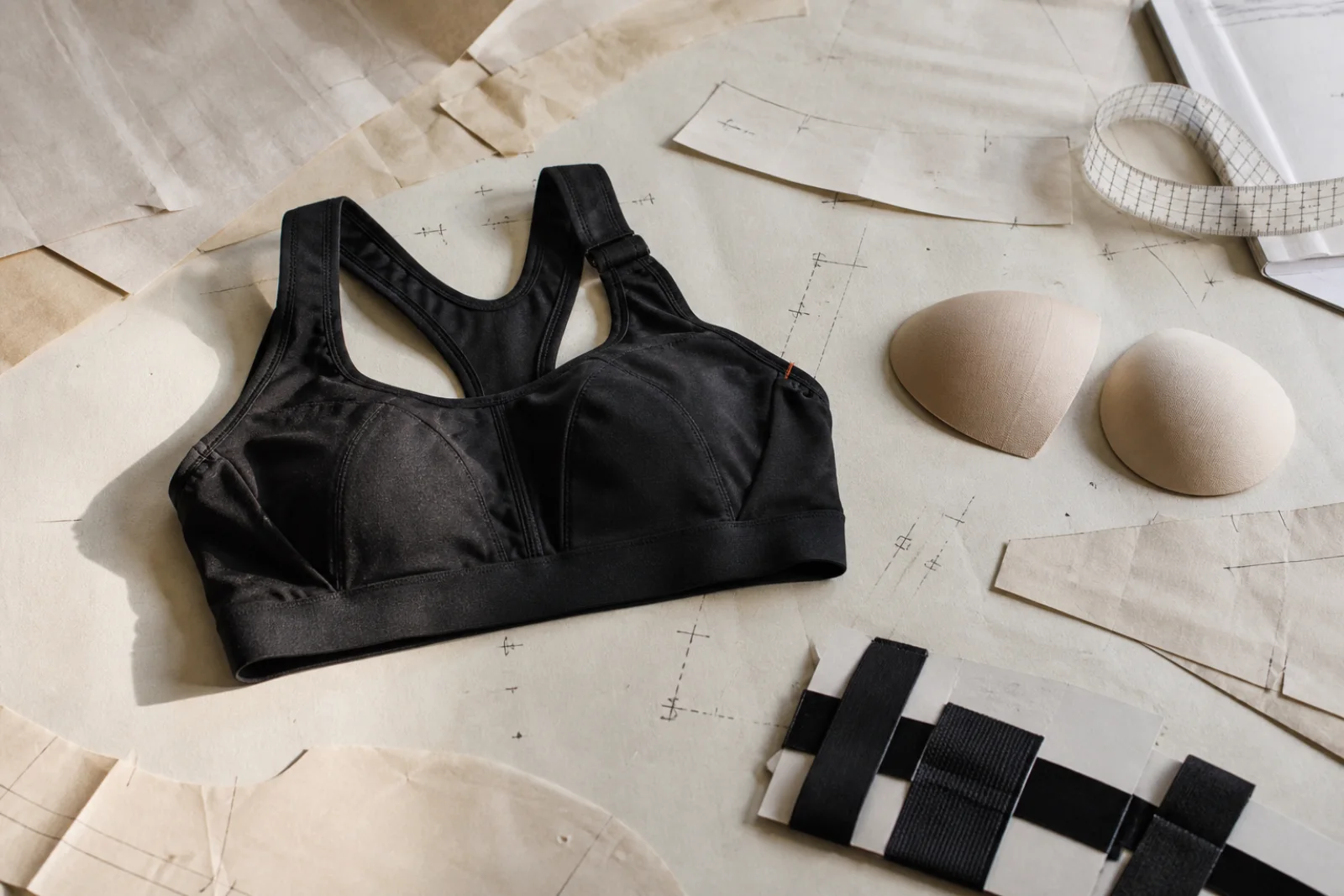
Five sports-bra development partners to research in 2026.
A sports bra is a fit, support, material and construction system. This list ranks public research value—not confidential performance or brand prestige.
Read methodology and ranking ↗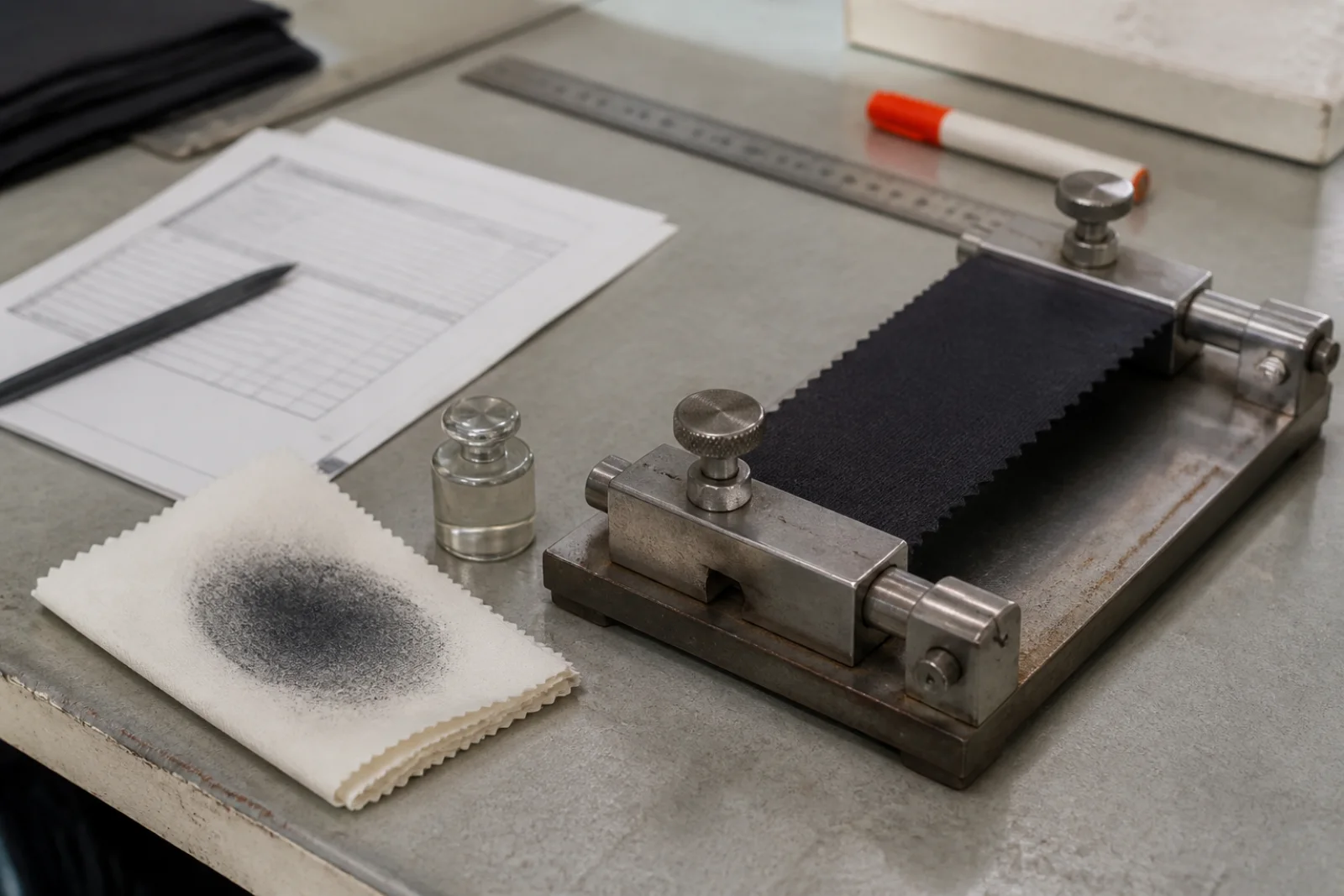
Five activewear testing and certification resources, ranked for buyer use.
This list ranks source quality and decision value. It does not turn a standard, label or laboratory name into proof that a garment passed.
Read methodology and ranking ↗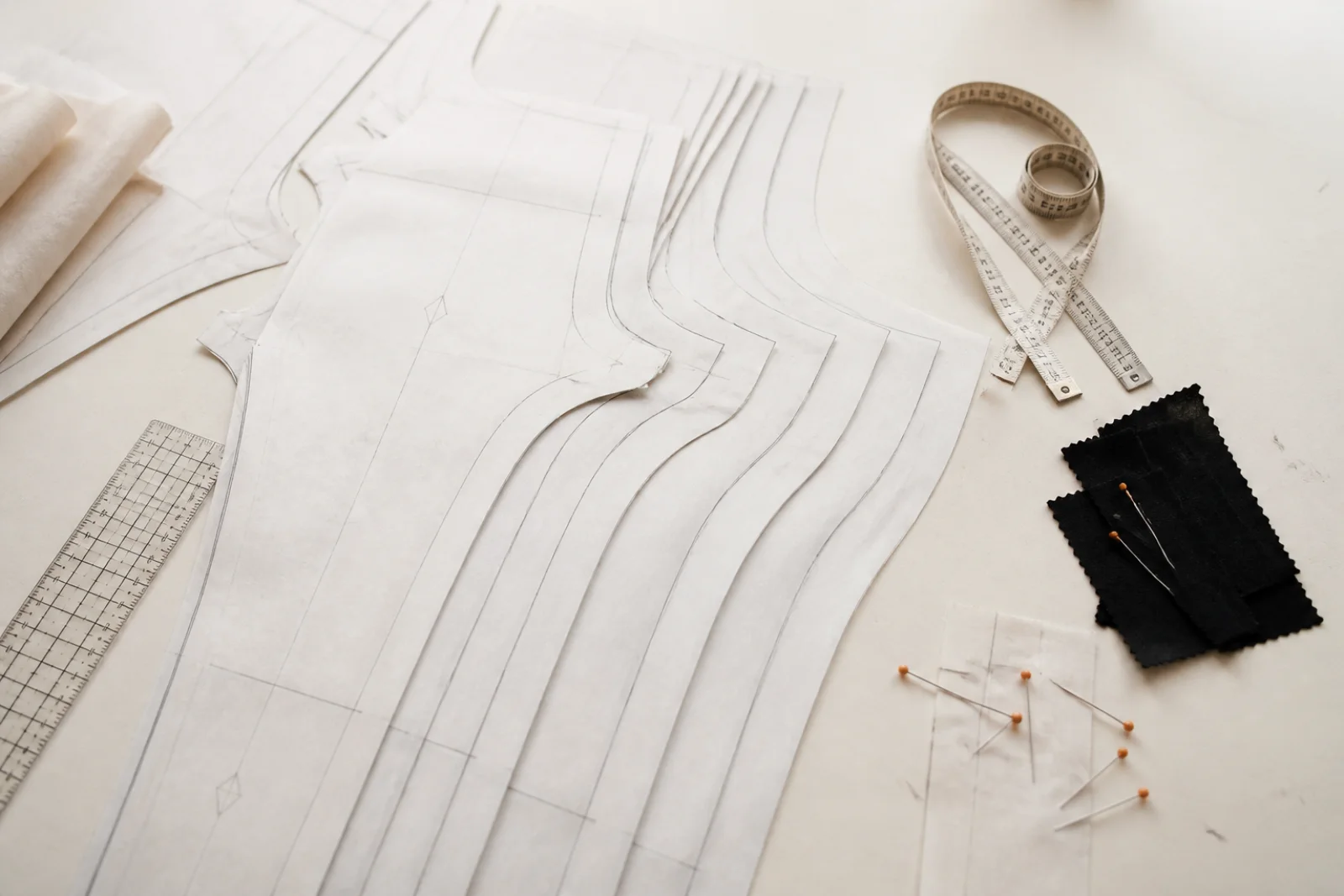
Five size-inclusive activewear development resources, ranked for product teams.
Adding sizes is not a scale command. The useful resources separate body data, size architecture, garment dimensions, grading and wearer validation.
Read methodology and ranking ↗Guías en español
Desarrollo de ropa deportiva
25 guías
Ficha técnica de ropa deportiva
Prepara una ficha técnica de ropa deportiva: medidas, tejidos, confección, cambios y muestras. Comprueba qué falta antes de pedir producción.
Leer la guía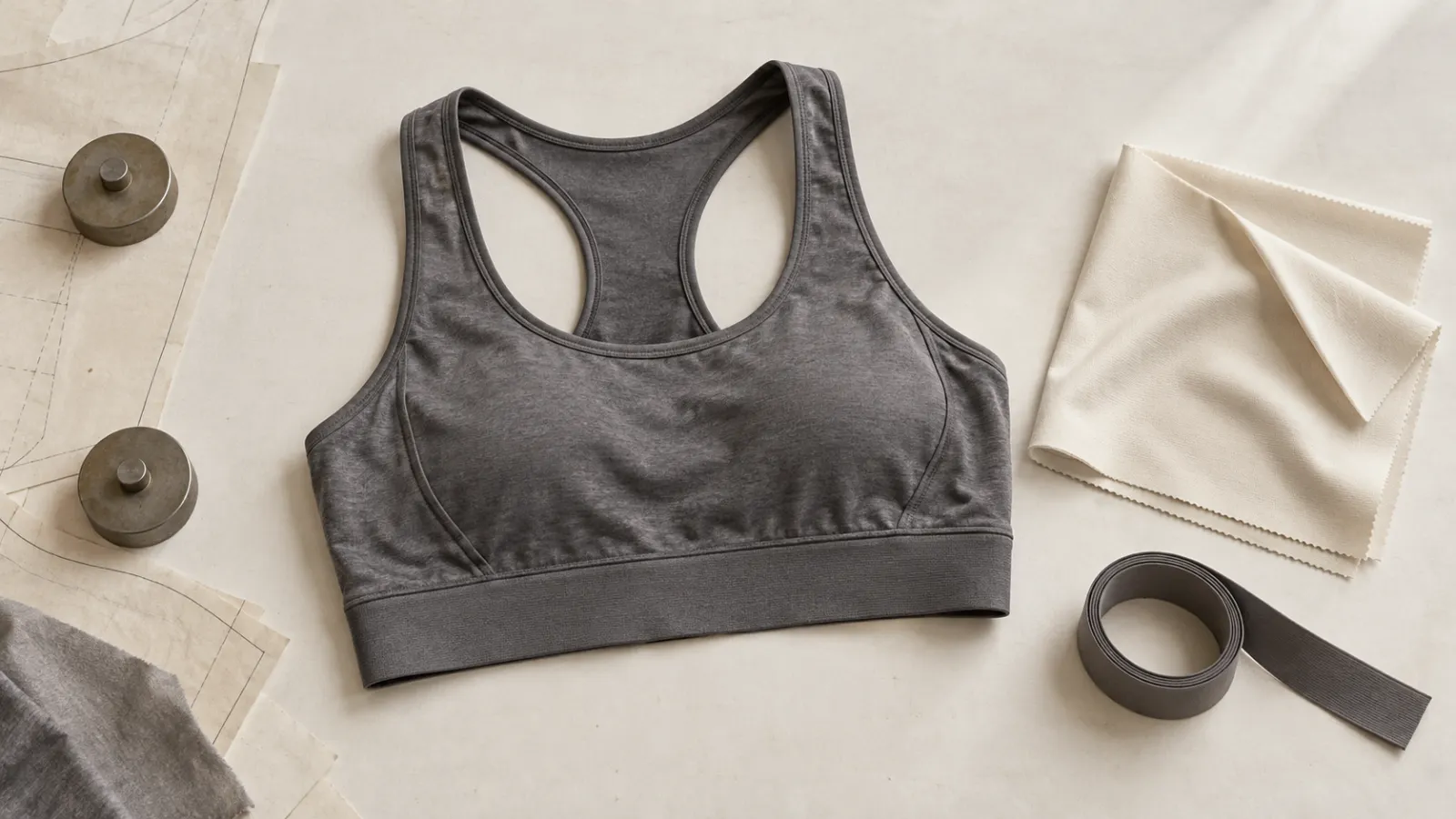
Fabricante de sujetadores deportivos
Cómo evaluar un fabricante de sujetadores deportivos: estructura, tallas, relleno, muestras y evidencias de sujeción antes de aprobar producción.
Leer la guía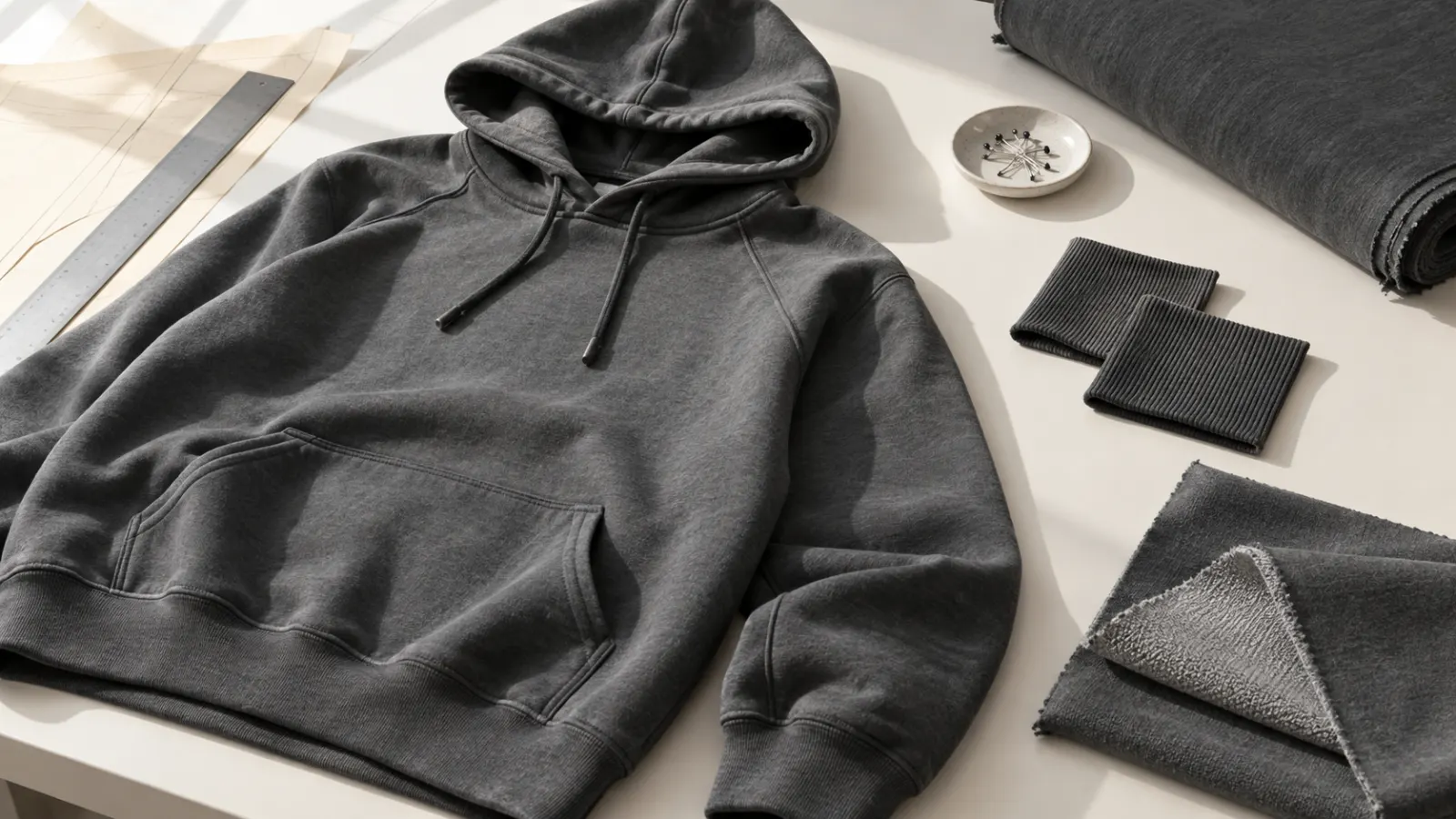
Sudaderas personalizadas: qué definir
Define tejido, patrón, capucha, tallas y personalización de una sudadera. Compara prendas base y confección propia antes de aprobar muestras.
Leer la guía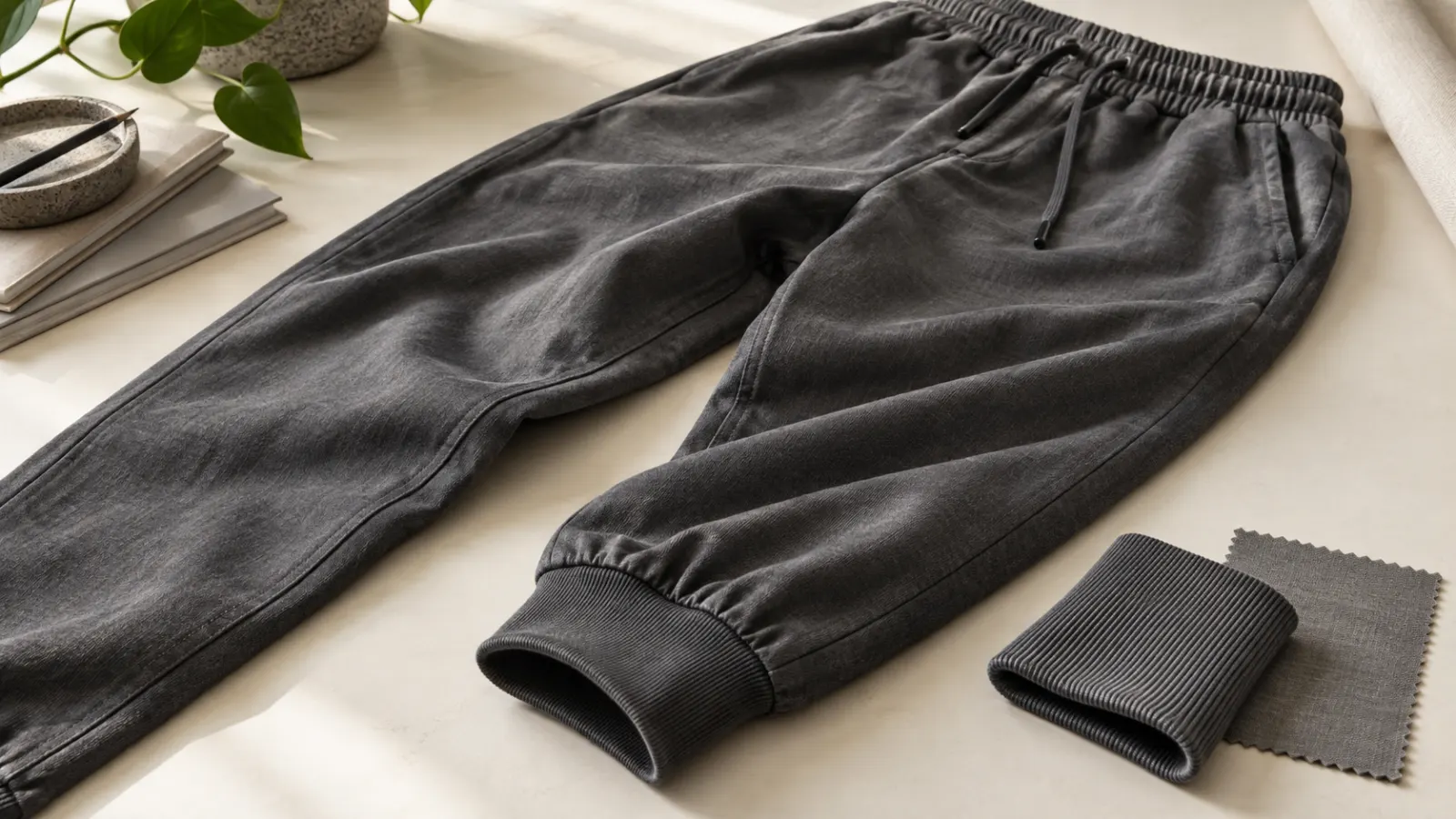
Pantalones jogger: formas y desarrollo
Define corte, tejido, cintura, puños y bolsillos de un jogger. Compara modelos cargo y revisa las muestras antes de aprobar la confección.
Leer la guía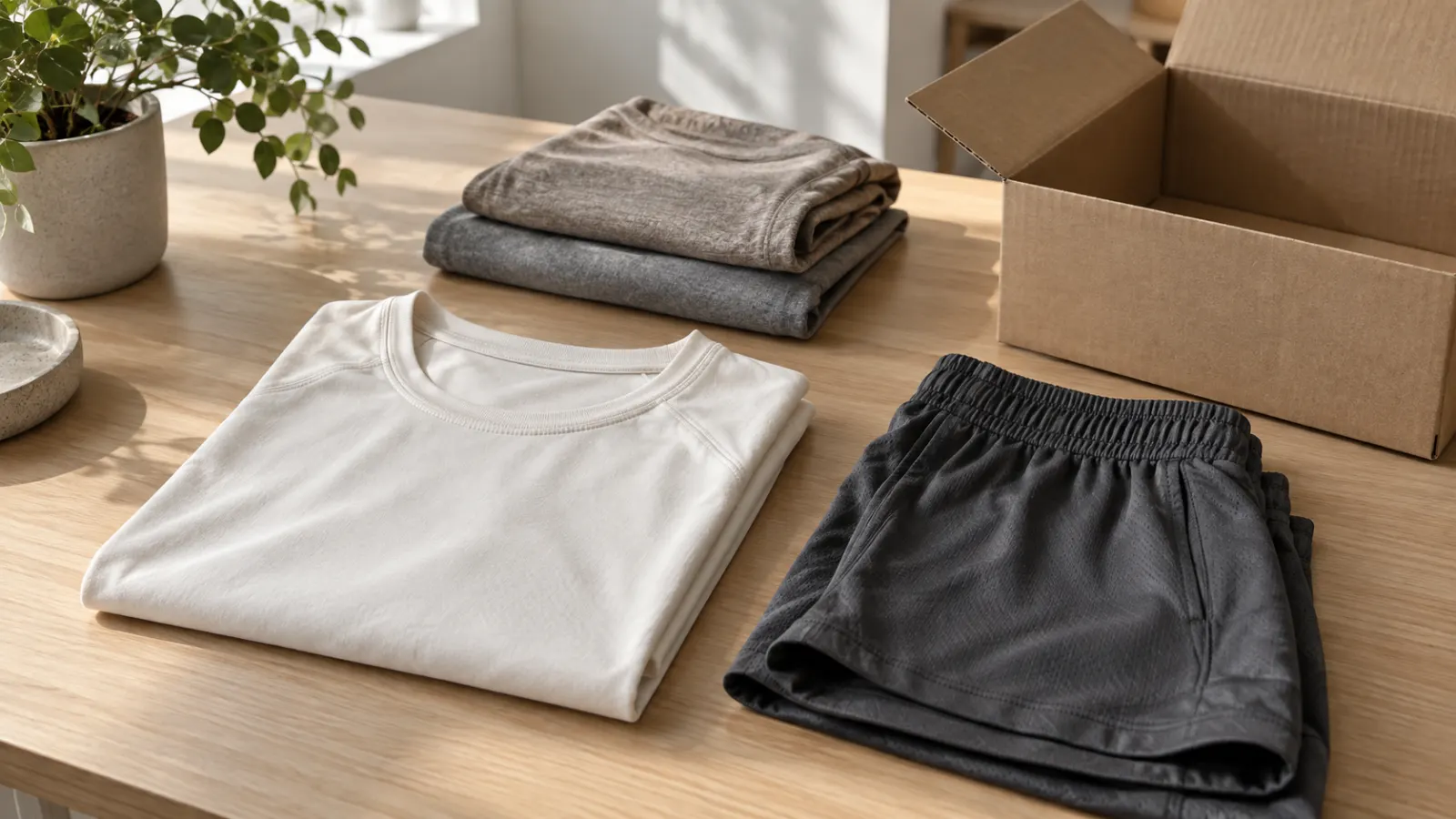
Ropa deportiva al por mayor: cómo comprar
Distingue stock, prendas para estampar y fabricación por encargo. Revisa muestras, tallas, derechos y condiciones antes de comprar ropa deportiva.
Leer la guía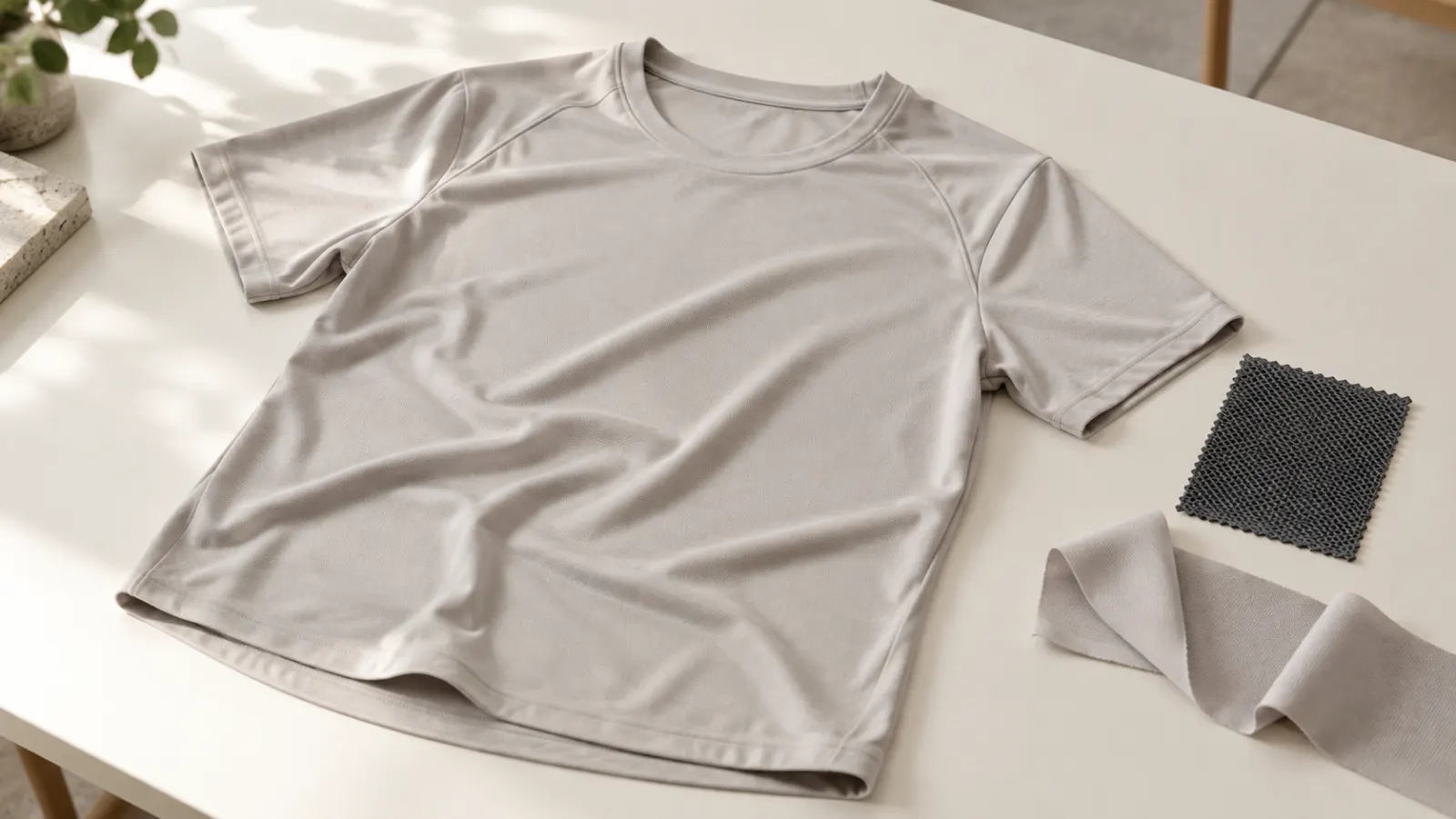
Camisetas deportivas: del diseño a la muestra
Define tejido, corte, tallas y personalización de una camiseta deportiva. Compara prendas base y confección propia con una muestra identificada.
Leer la guía
Sublimación y logos en ropa deportiva
Qué comprobar al estampar ropa deportiva: algodón, colores oscuros, sudaderas, equipos, ubicación y pruebas sobre la prenda real.
Leer la guía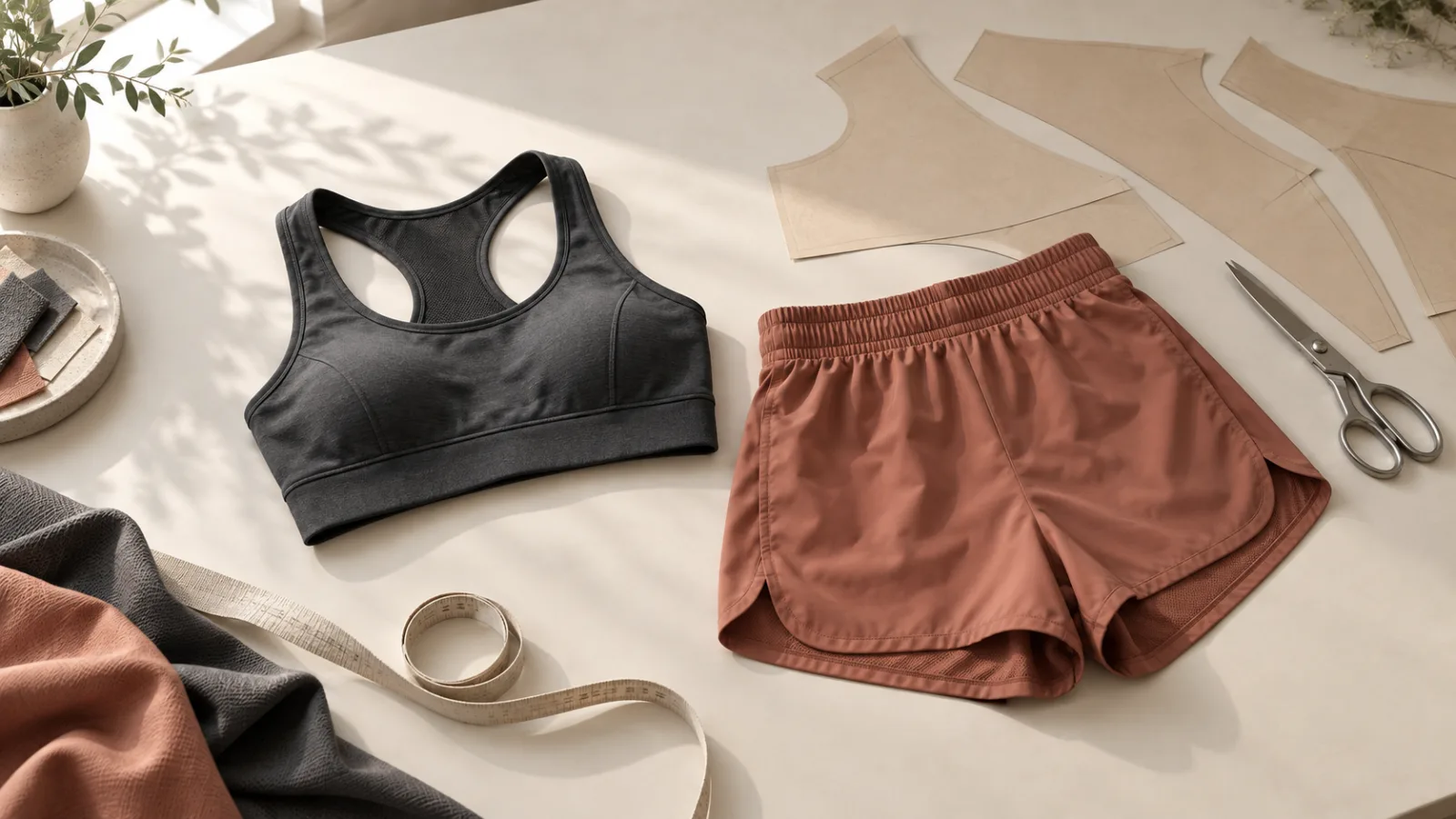
Fabricante de ropa deportiva: cómo elegir
Prepara tu primera colección deportiva: compara fabricantes, define muestras y mínimos y aclara qué incluye el desarrollo antes de encargar producción.
Leer la guía
Cómo verificar una fábrica de ropa deportiva
Comprueba quién fabrica tu ropa deportiva, qué procesos realiza y qué prueban las muestras, certificados e informes antes de autorizar el pedido.
Leer la guía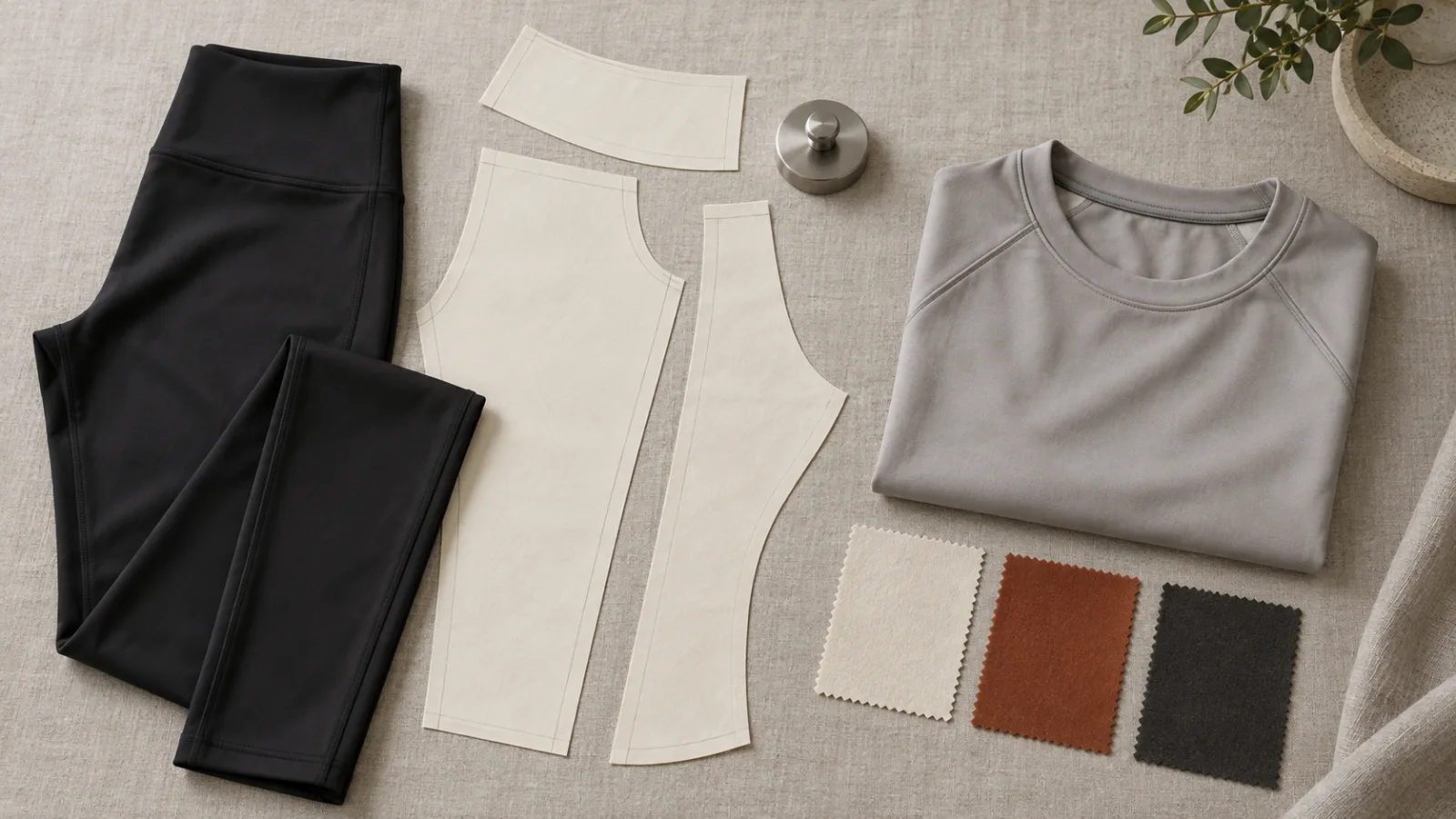
Ropa deportiva OEM y ODM: qué cambia
Distingue OEM, ODM y marca blanca al desarrollar ropa deportiva. Aclara diseño, patrones, muestras y derechos antes de encargar una colección.
Leer la guía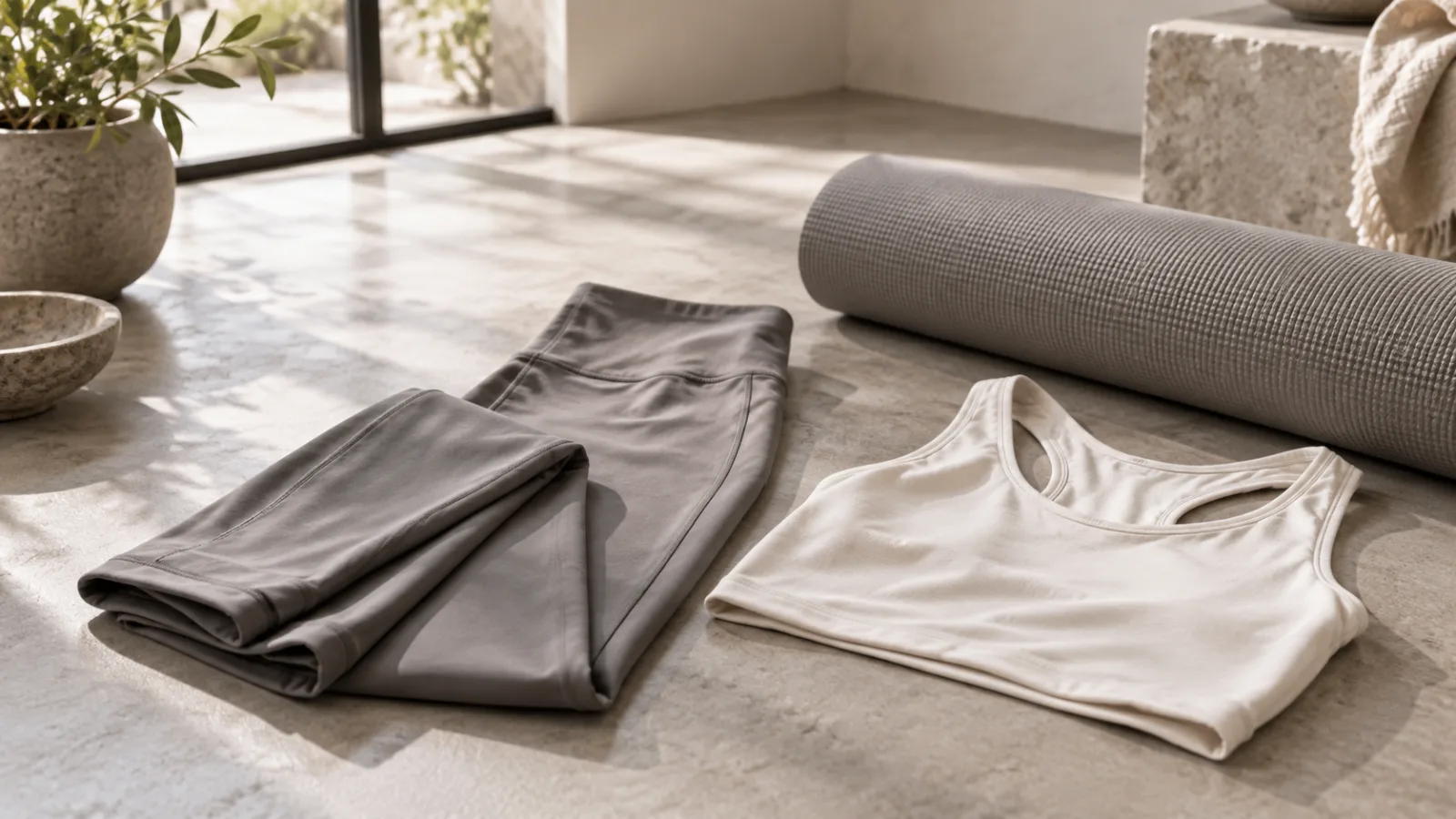
Fabricante de ropa de yoga: cómo elegir
Convierte una idea de ropa de yoga en un encargo verificable: prendas, tejido, cobertura, tallas, muestras y preguntas para el fabricante.
Leer la guía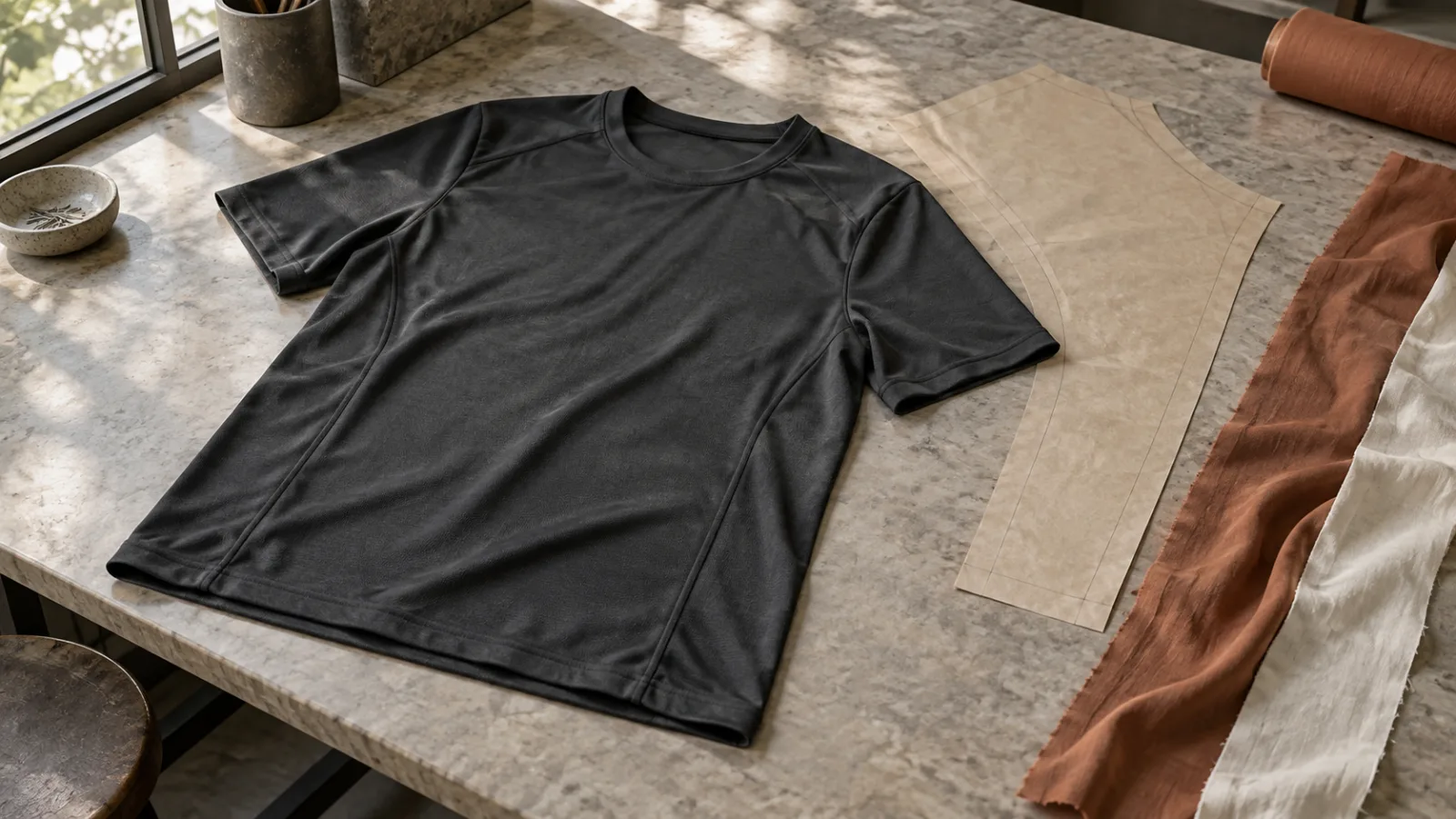
Ropa deportiva personalizada: del diseño al lote
Organiza un encargo de ropa deportiva personalizada para marcas, clubes o empresas: diseño, tallas, materiales, nombres y aprobación del lote.
Leer la guía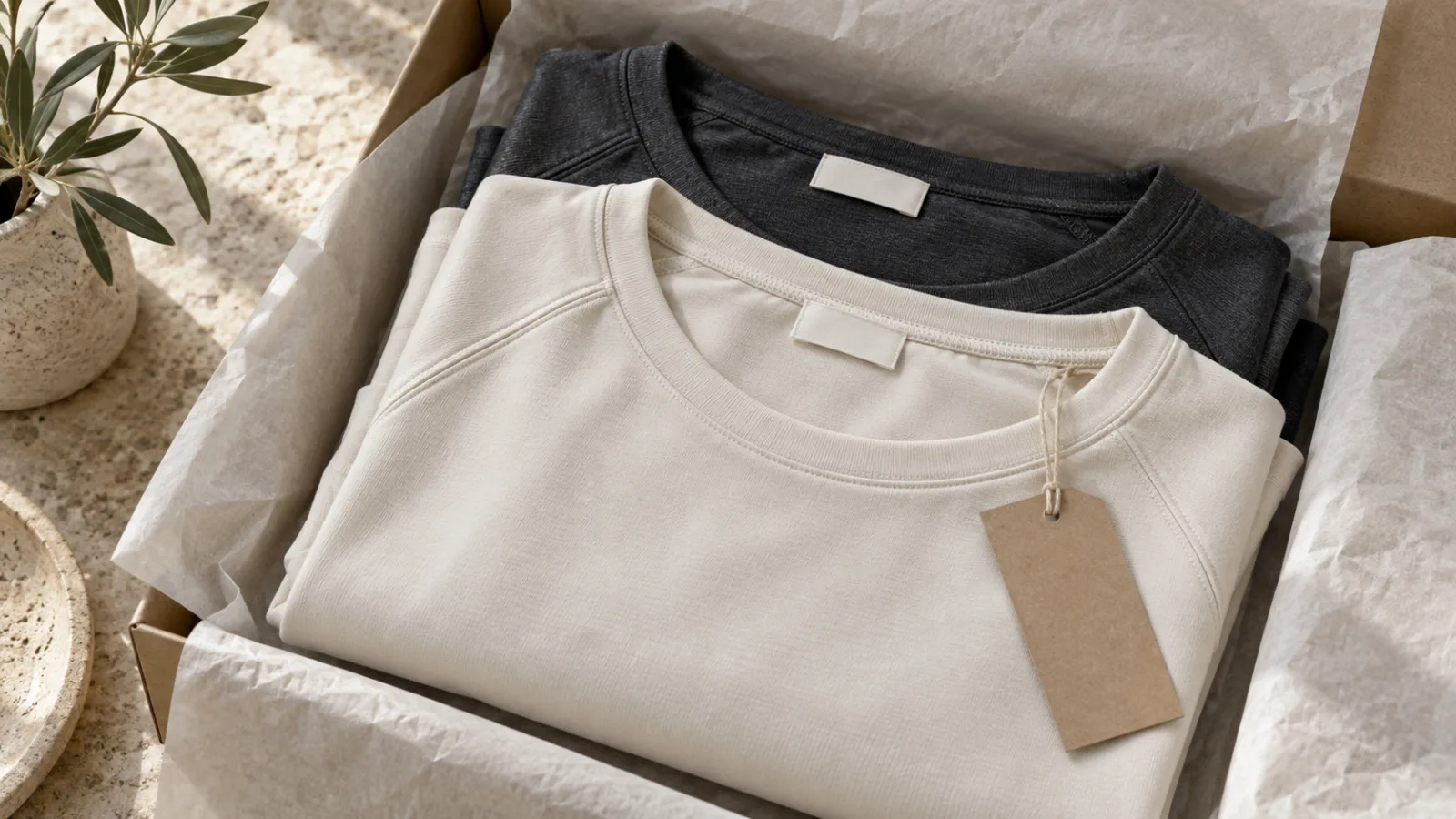
Ropa deportiva de marca blanca: guía de compra
Compara marca blanca, base adaptada y diseño propio. Revisa permisos, etiquetas, muestras y reposición antes de vender ropa con tu marca.
Leer la guía
Quién fabrica Lululemon: cómo leer su lista
Lee la lista oficial de proveedores de Lululemon: alcance, niveles y límites. Aprende a verificar afirmaciones de fabricación sin asumir autorización.
Leer la guía
Quién fabrica Gymshark: verificar la lista
Investiga la lista oficial de fábricas de Gymshark: proveedor, instalación, proceso y límites. No confundas una relación pública con autorización.
Leer la guía
Ropa deportiva sin costuras: guía seamless
Qué significa seamless y cómo revisar un desarrollo: tejido circular, uniones, tallas, zonas de punto, acabado y muestras de producción.
Leer la guía
Cómo fabricar leggings deportivos para tu marca
Prepara leggings deportivos con cintura, tiro, tejido y costuras definidos. Revisa corte, confección, cobertura y tallas antes del lote.
Leer la guía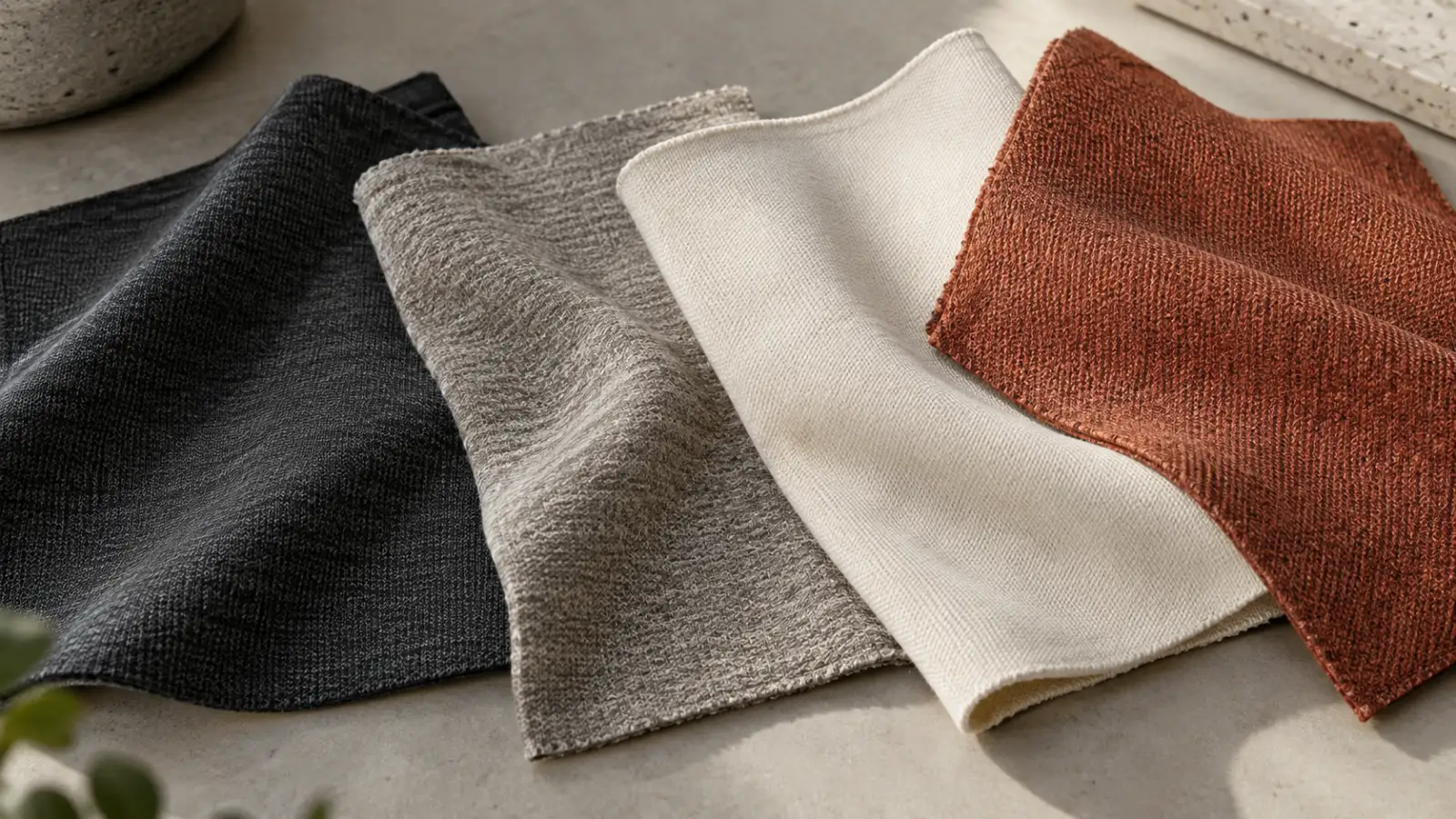
Qué tela elegir para leggings deportivos
Elige tela para leggings comparando cobertura, recuperación, superficie y cuidado en la prenda real, no solo composición o gramaje.
Leer la guía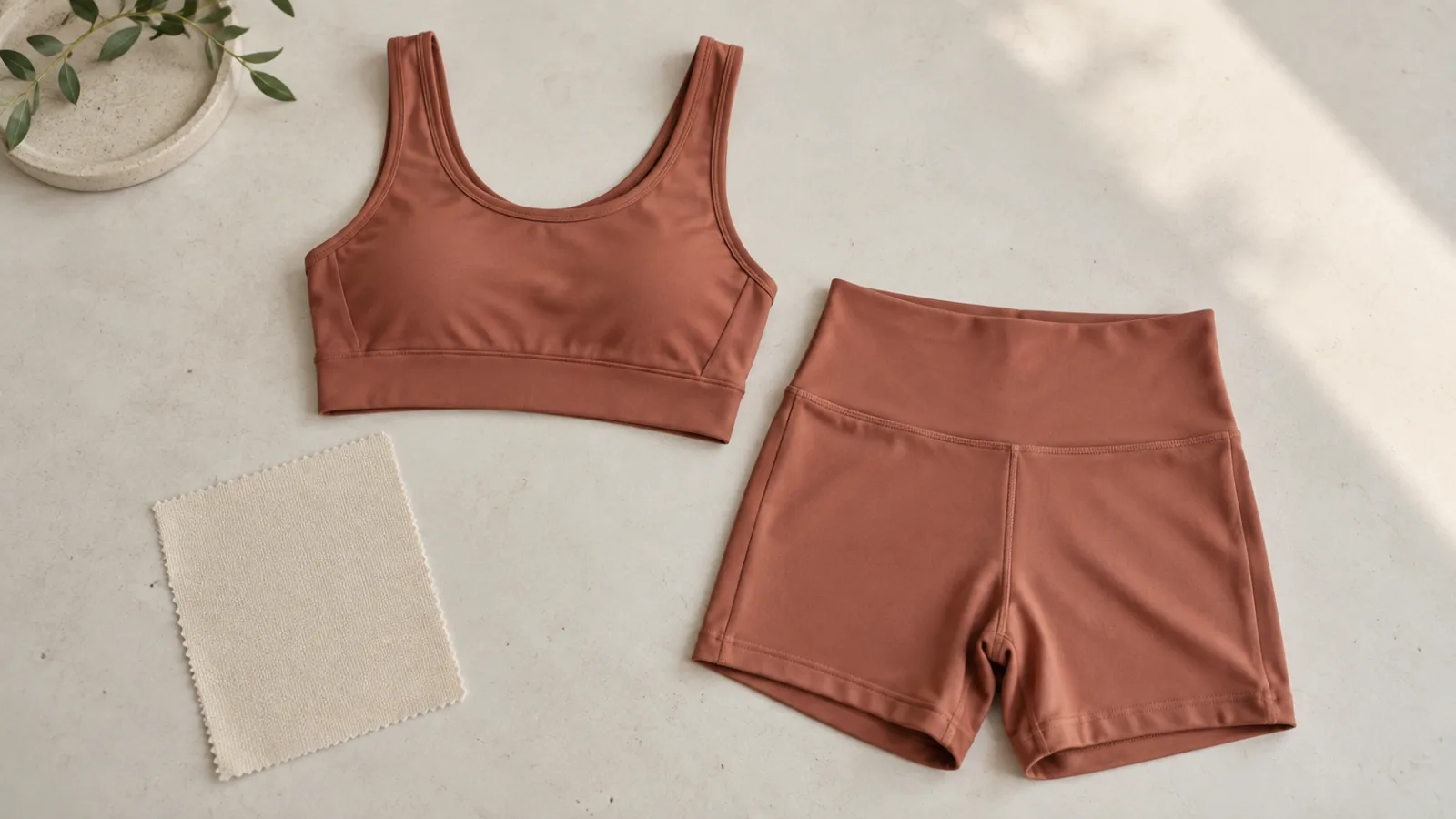
Cómo desarrollar un conjunto deportivo
Diseña conjuntos deportivos coordinando prendas, colores, tallas y embalaje. Aprende qué aprobar por pieza y qué revisar como conjunto.
Leer la guía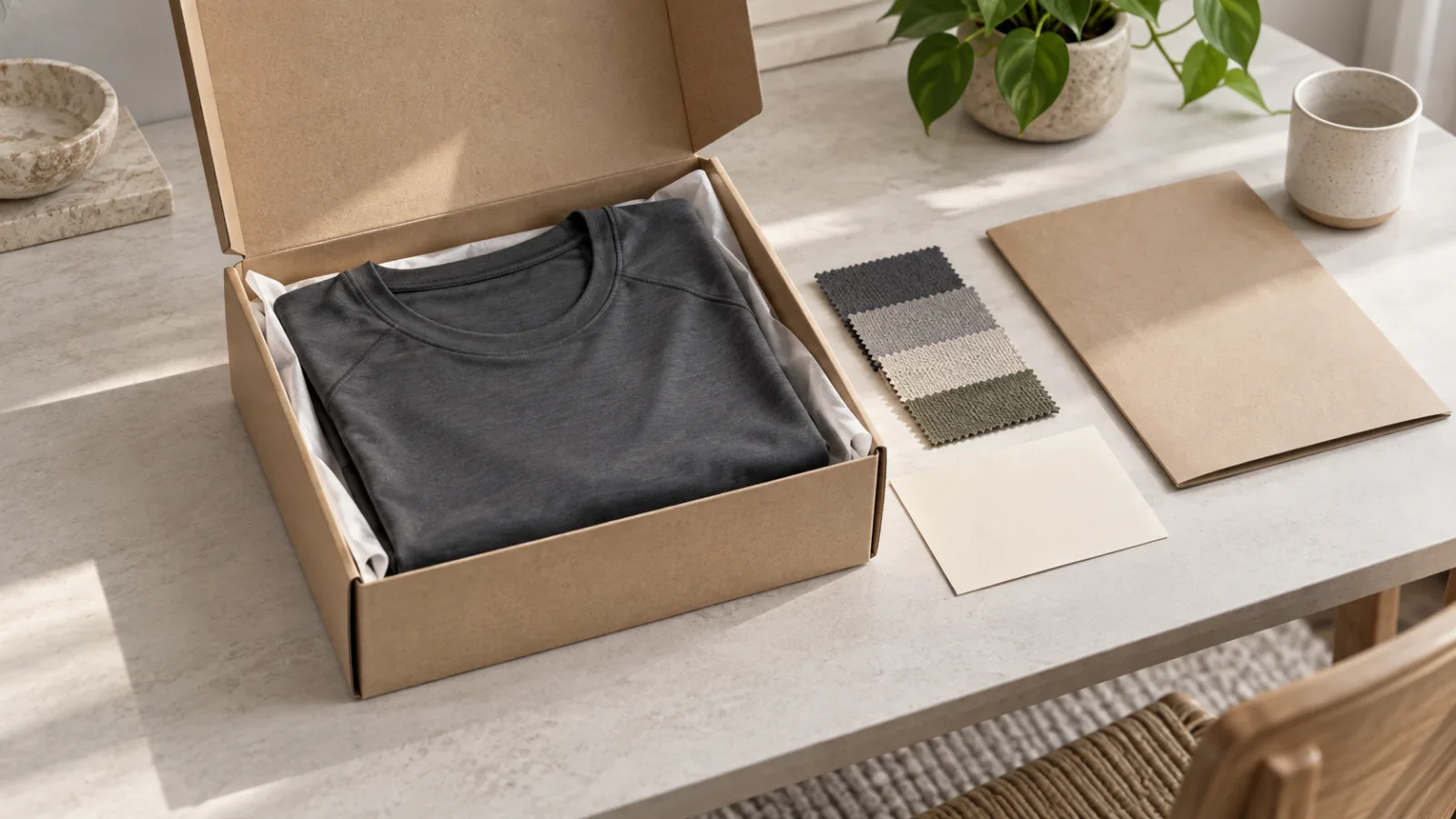
Cómo elegir proveedor de ropa deportiva
Verifica quién vende, dónde se fabrica y qué incluye la oferta. Preguntas y evidencias para comparar proveedores de ropa deportiva.
Leer la guía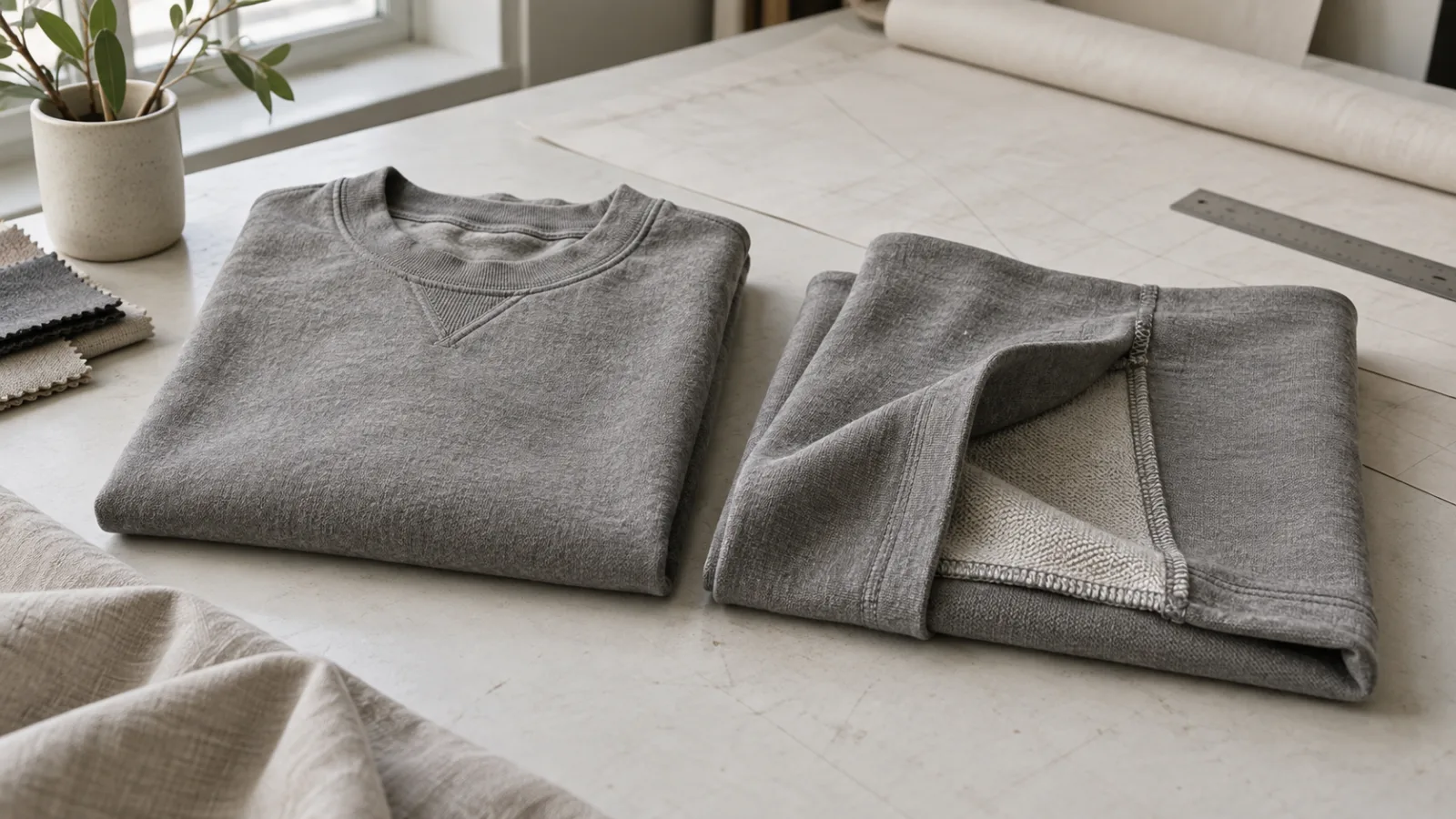
Cómo pedir y aprobar muestras de ropa deportiva
Pide muestras con un propósito claro. Distingue prototipo, ajuste, tallas y preproducción, y registra qué autoriza cada aprobación.
Leer la guía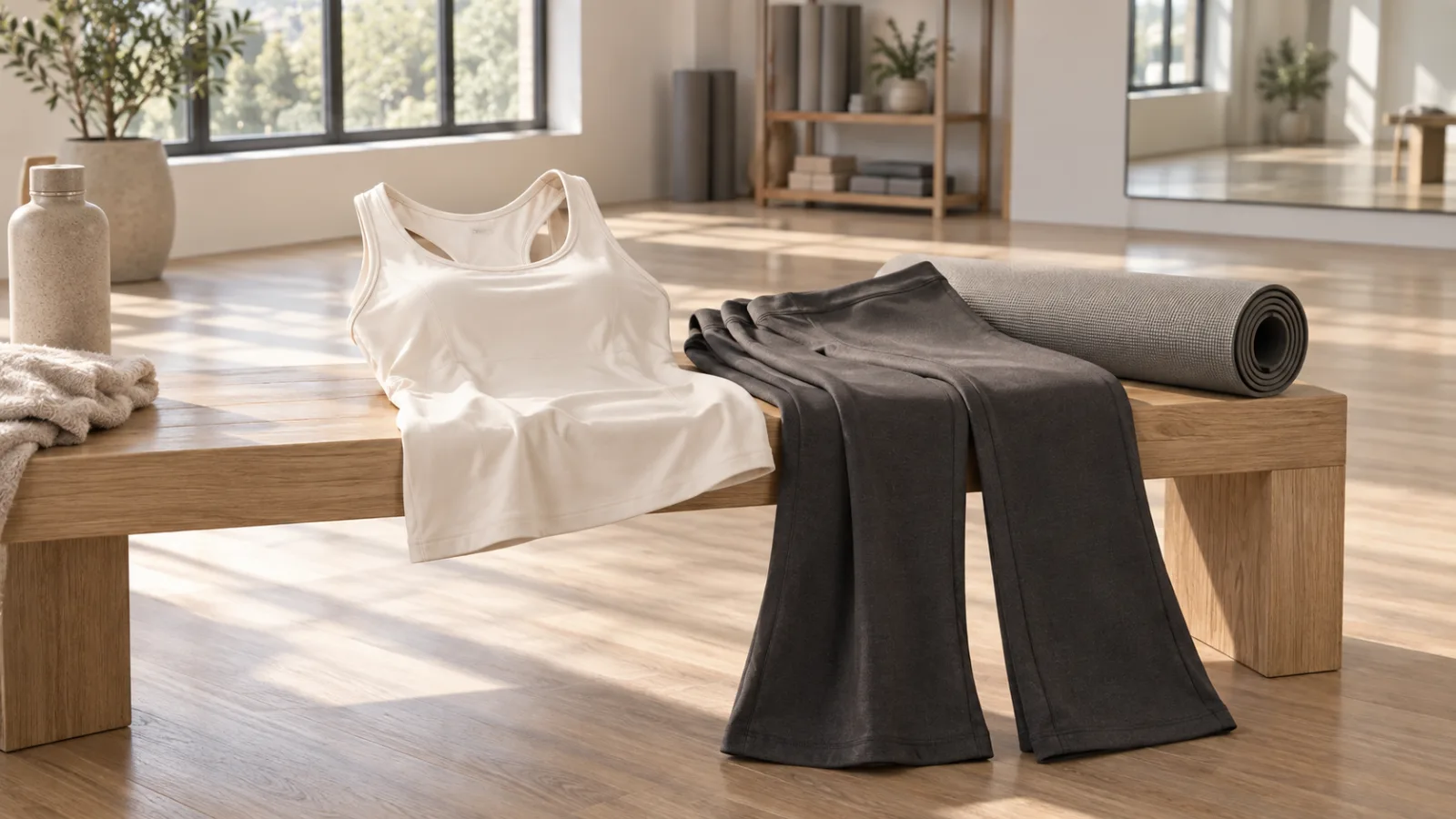
Ropa de pilates: cómo desarrollar una colección
Desarrolla ropa de pilates según el uso: ajuste, cobertura, costuras, capas y revisión de muestras para suelo o reformer, sin promesas médicas.
Leer la guía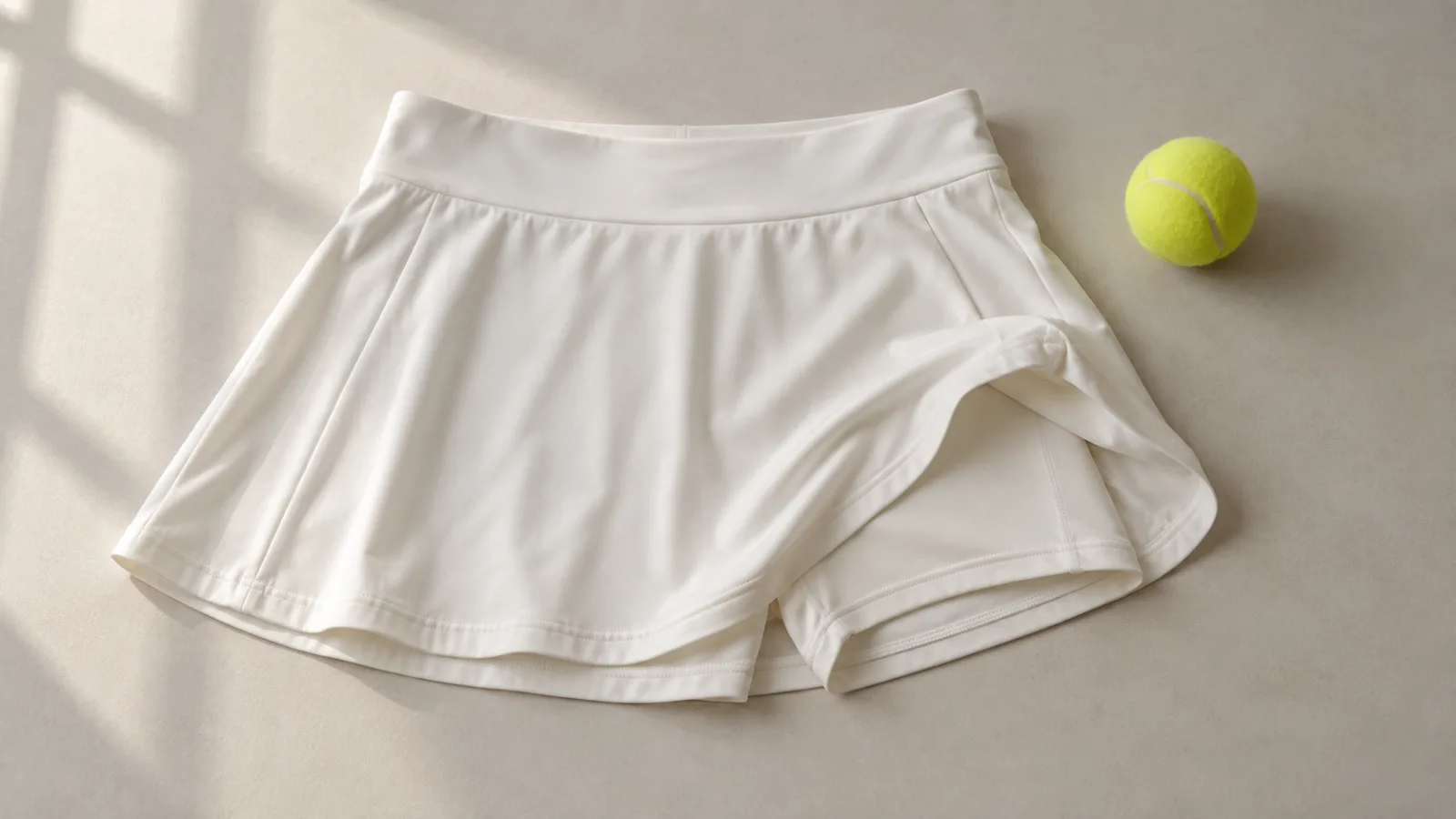
Cómo desarrollar una falda de tenis
Define falda exterior, short interior, cintura y bolsillo para pelota. Guía de muestras, movimiento y tallas para desarrollar faldas de tenis.
Leer la guía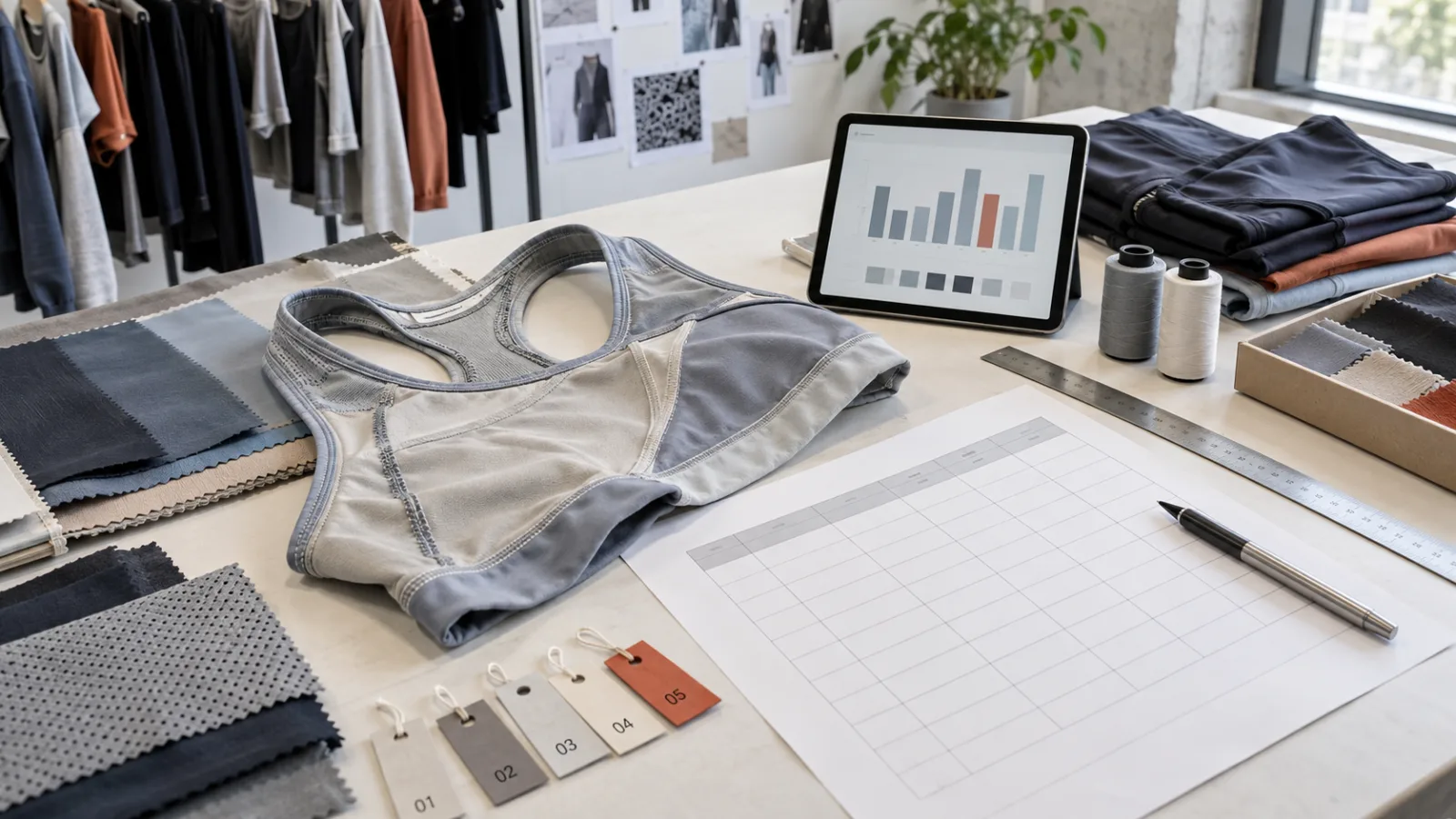
Cómo se fabrica la ropa de SHEIN
Analiza el modelo de producción, los proveedores y los límites de las fuentes de SHEIN sin atribuir una prenda a una fábrica sin evidencia.
Leer la guía
Elastano, poliéster y nylon en ropa deportiva
Qué son el elastano (licra o spandex), el poliéster y el nylon, cómo compararlos en ropa deportiva, qué pedir al proveedor y cómo cuidarlos.
Leer la guía