The short answer
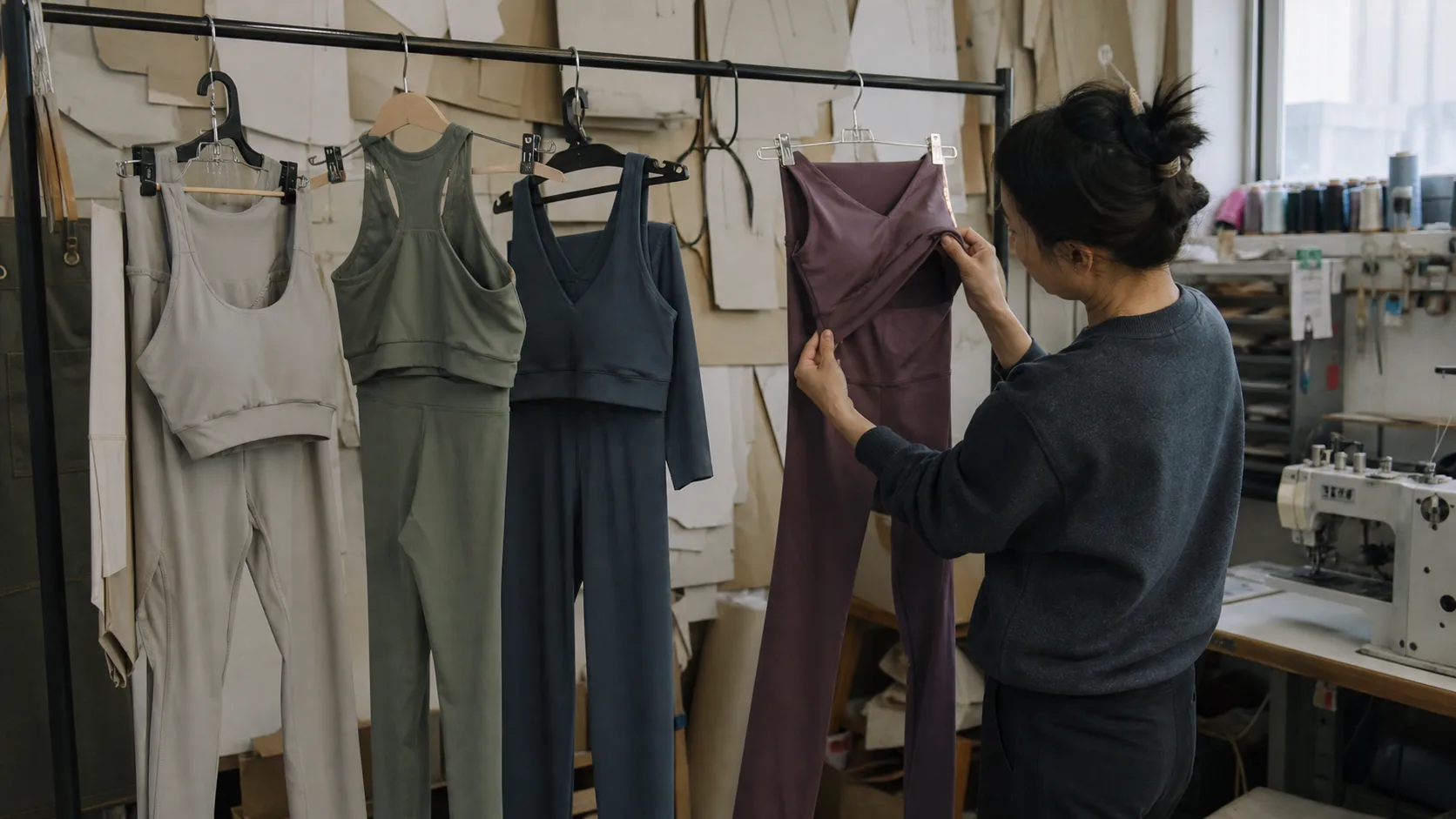
A yoga wear sampling plan should separate concept feasibility, base-size fit, graded-size behavior and production readiness. The names used by factories can differ, so define the purpose and acceptance criteria for each sample rather than relying on the label alone.
Define the question before ordering the sample.
Approve fit, materials, color and workmanship as separate decisions.
A pre-production sample is not a substitute for a graded size review.
Prototype: can the idea be built?
The first physical sample can test silhouette, construction feasibility and the relationship between pattern and material. It may use substitute color or trim if that difference is declared. Do not approve appearance details that are not represented by the actual component.
Fit sample: does the base size behave in movement?
Review measurements and on-body behavior together. For yoga garments, include bending, seated poses, reaching and repeated transitions. Record coverage, pressure, seam position, waistband stability, strap behavior and any restriction—not just whether the garment looks smooth while standing.
Size set: does the grade preserve the design?
A base-size approval does not prove the full range. Select sizes that reveal the grading logic, especially endpoints or any point where a different block or construction may be needed. Compare both body measurements and finished-garment measurements.
Pre-production: is the manufacturing baseline locked?
The sample released before bulk should reflect approved material, color, construction, trims, branding and workmanship as closely as the agreed process requires. Attach the current measurement specification and bill of materials, then record any declared difference that will still change in bulk.
Decision map from this guide
| Decision area | What this guide establishes |
|---|---|
| Prototype: can the idea be built? | The first physical sample can test silhouette, construction feasibility and the relationship between pattern and material. |
| Fit sample: does the base size behave in movement? | Review measurements and on-body behavior together. |
| Size set: does the grade preserve the design? | A base-size approval does not prove the full range. |
| Pre-production: is the manufacturing baseline locked? | The sample released before bulk should reflect approved material, color, construction, trims, branding and workmanship as closely as the agreed process requires. |
Sources and scope
This guide translates primary standards and public technical sources into a buyer-side development workflow. It does not replace legal advice, a purchased standard, laboratory instructions or project-specific engineering.
Buyer questions
How many sampling rounds are normal?
There is no universal number. The count depends on specification quality, design complexity, material availability and whether each round resolves its assigned questions.
Can one sample be both a fit and pre-production sample?
Sometimes, but only when it represents the production baseline and all fit, material and construction decisions are already controlled.
How do you start a sample request without leaving the factory to guess?
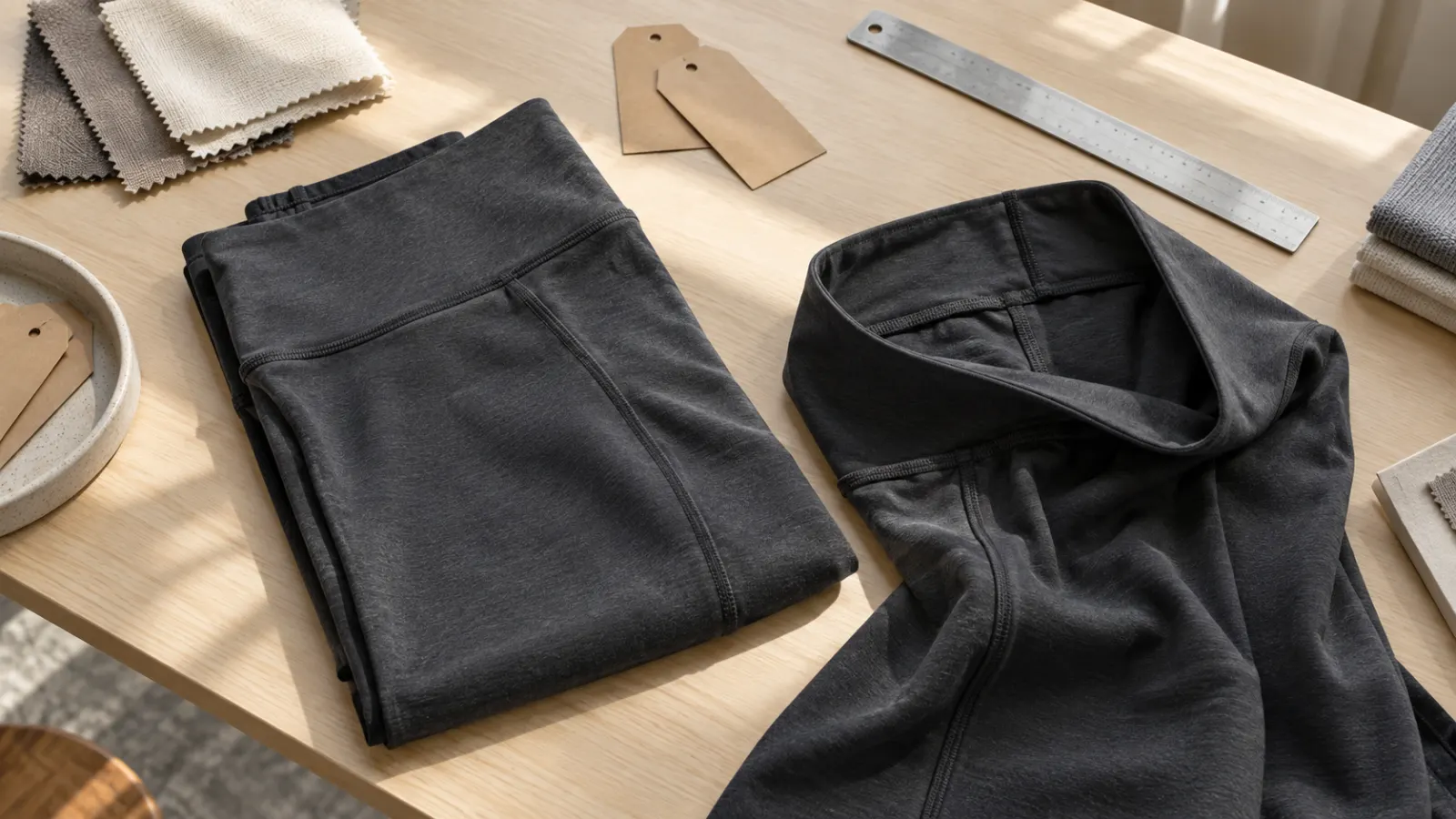
Start with the decision the sample must help you make. A first attempt at an original legging, a fit correction to your own pattern and a branding check on an existing blank are different assignments. Name the assignment before asking for a sample fee or completion date. If you only have an idea, request a development discussion rather than calling the brief production-ready.
Send the intended activity, wearer, size to review, available drawings or reference sample, preferred material direction and the details you cannot yet specify. Mark references as references, not permission to reproduce another brand's design. Ask the supplier to identify missing inputs and propose the work needed to resolve them. A reply that merely says “send the sample payment” leaves the scope open.
Before authorizing the work, agree on the deliverables: which garment or component will arrive, what material substitutions are allowed, what measurements will accompany it and how comments will be recorded. Separate a correction to the agreed specification from a new design request, and ask how each affects the fee and schedule. Confirm who will issue consolidated feedback. The sample comments checklist provides the next handoff once the sample is received.
A useful release message should identify one style, one revision and one sample purpose. Keep unresolved decisions beside that message. Do not treat silence on a missing measurement, fabric or label as approval.
When does garment production lead time actually start?
Start the clock at an agreed event, not at the first conversation. Ask whether the estimate begins when the specification is accepted, materials are available, the sample is approved, payment conditions are met or a production slot is confirmed. Also name the finish: ready for inspection, ready for collection, handed to a carrier or delivered to your destination. These are proposed planning checkpoints, not a universal factory timetable.
| Planning stage | Record before the stage starts | Evidence that it has finished |
|---|---|---|
| Development | Sample purpose, inputs, open decisions and responsible owner | Reviewed sample and consolidated comments |
| Material readiness | Selected material, color submissions and substitution rules | Required material approvals and confirmed availability |
| Production release | Approved revision, commercial conditions and confirmed production plan | Finished goods available for the agreed inspection |
| Shipment | Inspection outcome, packing information and transport responsibility | The handover or delivery event named in the agreement |
Allow the supplier to show which activities can overlap and which depend on an earlier approval. If a fabric decision changes after fit approval, ask what must be checked again before accepting a revised finish date. A shorter sewing estimate does not, by itself, resolve a missing material or an unanswered sample comment.
Keep a simple exception log: open decision, owner, required response date, affected stage and revised forecast. When a date slips, ask for the blocking event and the next verifiable milestone. “In progress” is not enough to decide whether a launch plan remains workable. Use the pre-production approval checklist before treating development completion as permission to begin bulk work.
More buyer questions
How do I get clothing samples made?
Send a development brief or controlled specification and ask the supplier to confirm the sample purpose, required inputs and deliverables before you pay. Identify missing decisions instead of inviting assumptions. Agree on materials, revision scope, feedback ownership and the acceptance record. A sample request should describe what you need to learn, not only what the garment should look like.
What does garment production lead time include?
It includes only the stages and start-to-finish events stated in the quotation or agreement. Ask whether development, material procurement, approvals, manufacturing, inspection and transport are included or separate. Record the conditions needed to start each stage and the effect of delayed decisions. Do not treat a production estimate as a guaranteed delivery date for your destination.
What is a clothing sample?
A clothing sample is a garment made before or during production to test a specific decision—design, fit, material, color, grading, workmanship or packing—before money is committed to bulk. Outside manufacturing, “sample clothing” can also mean showroom or press pieces later sold at sample sales, which tell you nothing about how your own order will be made.
What do proto, SMS, PP and TOP samples mean?
They are common factory shorthand for different stages. A proto is an early prototype; an SMS, or salesman sample, is made for selling or photography; a PP, or pre-production sample, represents the approved production combination; and a TOP, or top-of-production sample, is pulled from the bulk run to show what was actually made. Confirm each supplier’s meaning before approving.
What does “OEM sample” mean?
It usually means a sample made to the buyer’s own specification or branding rather than taken from the supplier’s range. That makes it a development sample: it should carry your style number and revision, state which materials and components are final and be reviewed against your brief. A catalog piece with your logo added proves much less.
Is a free catalog sample the same as a development sample?
No. A catalog or stock sample shows a product the supplier already makes, and suppliers may send those on different terms from development work. A development sample is made to your specification and is normally charged. Judge a free catalog sample only as evidence about that stock product, not about how your design will be made.
Additional sources
Read the Spanish guide to activewear technical specifications.
Read the Spanish guide to requesting and approving garment samples.
Further buyer answers
What is a clothing sample room or sample maker?
A sample room is a place or team preparing development garments; a sample maker is the person or business doing that work. Neither name proves responsibility for bulk manufacturing. Confirm whether pattern development, cutting, assembly, fittings and revisions are included, who supplies materials, and what files you receive. Qualify the eventual production route separately before releasing an order.
