The short answer
Subcontracting is not automatically a quality failure. Garment supply chains commonly use separate mills, dye houses, printers, embroidery units, laundries, bonding specialists or overflow sewing facilities. The buyer needs a disclosed process map, approved-site rules, responsibility for each handoff, evidence requirements and notice before the route changes. The risk is not that another facility exists; it is that product, compliance or labor assumptions no longer match the site doing the work.
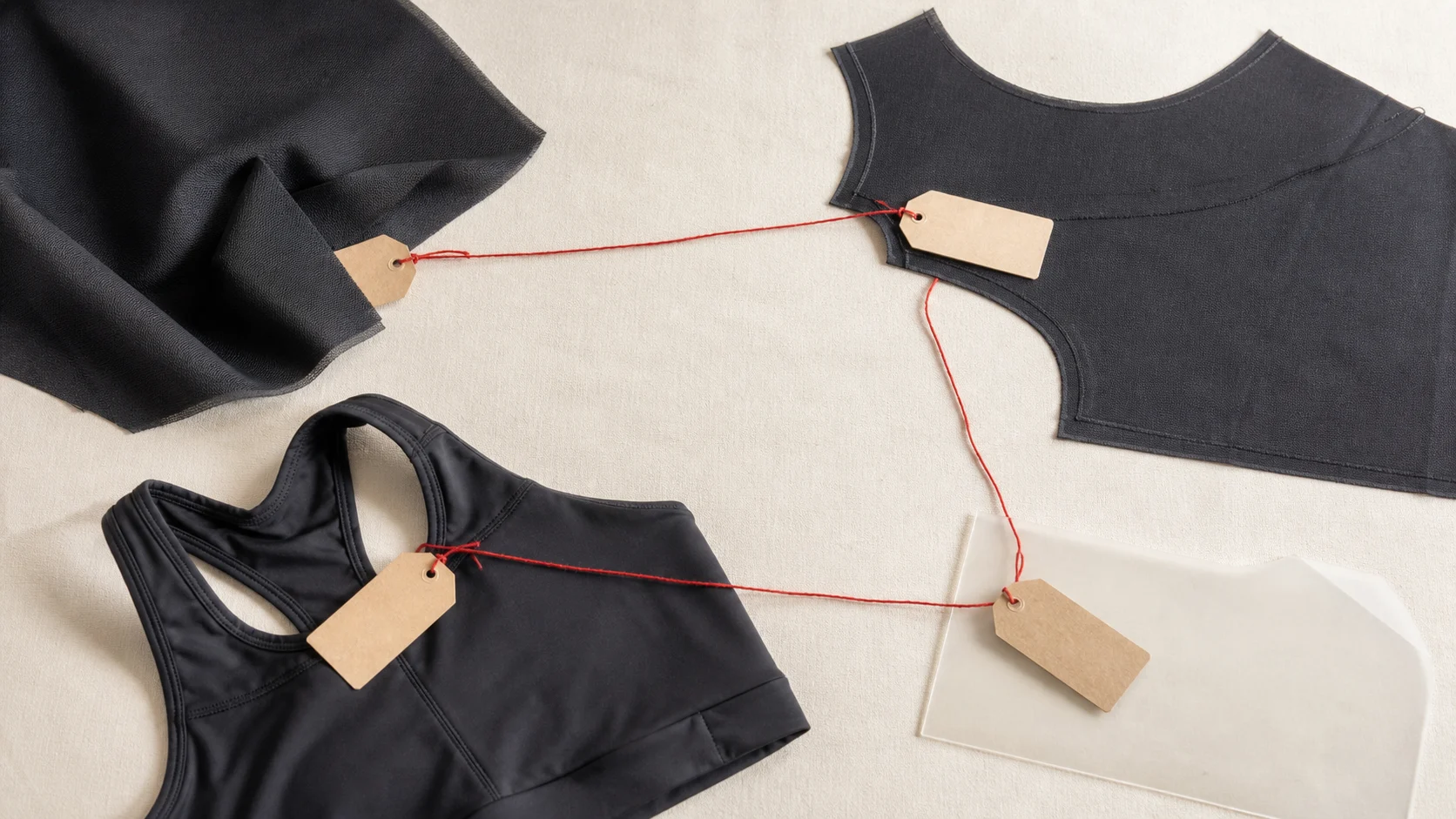
Map each physical process and the facility responsible for it.
Define which subcontractors require buyer approval or independent review.
Require change notice before capacity or specialist work moves.
Why several facilities can be normal
Apparel combines material production, wet processing, cutting or knitting, sewing, decoration, finishing and packing. OECD sector guidance describes multi-tiered and decentralized supply chains and notes that subcontracting is common. A garment supplier may directly perform the core assembly while using qualified specialists for processes it does not own.
Vertical integration can reduce handoffs, but it should still be verified process by process. A “one-stop” statement does not tell the buyer what is in-house, affiliated or subcontracted.
Build the route at process level
List yarn or fabric source, dyeing and finishing, incoming inspection, pattern or programming, cutting or knitting, sewing, printing or embroidery, bonding, washing if any, final inspection and packing. For each stage, record the facility role, legal identity where required, location, responsible contact and evidence expected.
Mark information that is not stated rather than filling the gap. The map can begin at supplier qualification and become more specific once the actual material, color and production lot are chosen.
Define approved and prohibited route changes
Decide which specialist processes may be subcontracted under the supplier’s control and which facility changes require prior buyer approval. The answer may differ for a standard woven label, a high-risk wet process, origin-conferring assembly or a product covered by a facility-specific compliance requirement.
The seller should remain accountable for work it contracts unless the agreement says otherwise. Naming a subcontractor does not transfer the buyer’s entire relationship to that company.
Carry the product baseline across every handoff
Each processor should receive the correct style, material, color, artwork and revision information for its operation. Ask how files are issued, how obsolete versions are withdrawn, how first-off output is approved and how nonconforming work is quarantined or corrected.
Certificates and audits should be matched to the holder, facility, process, product scope and validity. A fabric-mill certificate cannot be presented as a garment-factory certificate, and a facility qualification does not prove a particular shipment used the qualified route.
Include labor and environmental due diligence
Unauthorized subcontracting can place work outside the facilities and conditions the buyer reviewed. Use risk-based due diligence appropriate to the countries, processes and workforce involved. Ask how the direct supplier evaluates subcontractors, handles grievances, tracks corrective actions and communicates changes.
This article is a product and sourcing control framework, not a substitute for human-rights, environmental or legal due diligence by qualified specialists.
Verify the route again during production
Connect purchase-order facility details, material receipts, line records, process submissions, packing records and inspection location. If an auditor or inspector visits, ensure the named site and current order stage match the request. A clean qualification audit months earlier does not prove where today’s lot is running.
At reorder, compare the previous route with the proposed route. Treat a changed mill, dye house, assembly site or critical processor as a change whose impact must be reviewed before release.
Decision map from this guide
| Decision area | What this guide establishes |
|---|---|
| Why several facilities can be normal | Apparel combines material production, wet processing, cutting or knitting, sewing, decoration, finishing and packing. |
| Build the route at process level | List yarn or fabric source, dyeing and finishing, incoming inspection, pattern or programming, cutting or knitting, sewing, printing or embroidery, bonding, washing if any, final inspection and packing. |
| Define approved and prohibited route changes | Decide which specialist processes may be subcontracted under the supplier’s control and which facility changes require prior buyer approval. |
| Carry the product baseline across every handoff | Each processor should receive the correct style, material, color, artwork and revision information for its operation. |
| Include labor and environmental due diligence | Unauthorized subcontracting can place work outside the facilities and conditions the buyer reviewed. |
| Verify the route again during production | Connect purchase-order facility details, material receipts, line records, process submissions, packing records and inspection location. |
Sources and scope
This guide translates primary standards and public technical sources into a buyer-side development workflow. It does not replace legal advice, a purchased standard, laboratory instructions or project-specific engineering.
Buyer questions
Does “in-house” mean no subcontractors are used?
Not necessarily. Ask process by process and request the proposed route for the actual garment.
Can a supplier refuse to publish its entire factory network?
Public disclosure and buyer verification are different. The agreement should still provide the order-specific identity and access needed for customs, compliance, audit and quality obligations.
When should a site change require a new sample?
When the change could affect material, machinery, workmanship, fit, finish, compliance or the controlled production method. Decide proportionately and record the basis.
Who is responsible for a subcontractor defect?
That depends on the contract. The buyer should define accountability with the direct seller rather than assume disclosure alone allocates responsibility.
