The short answer
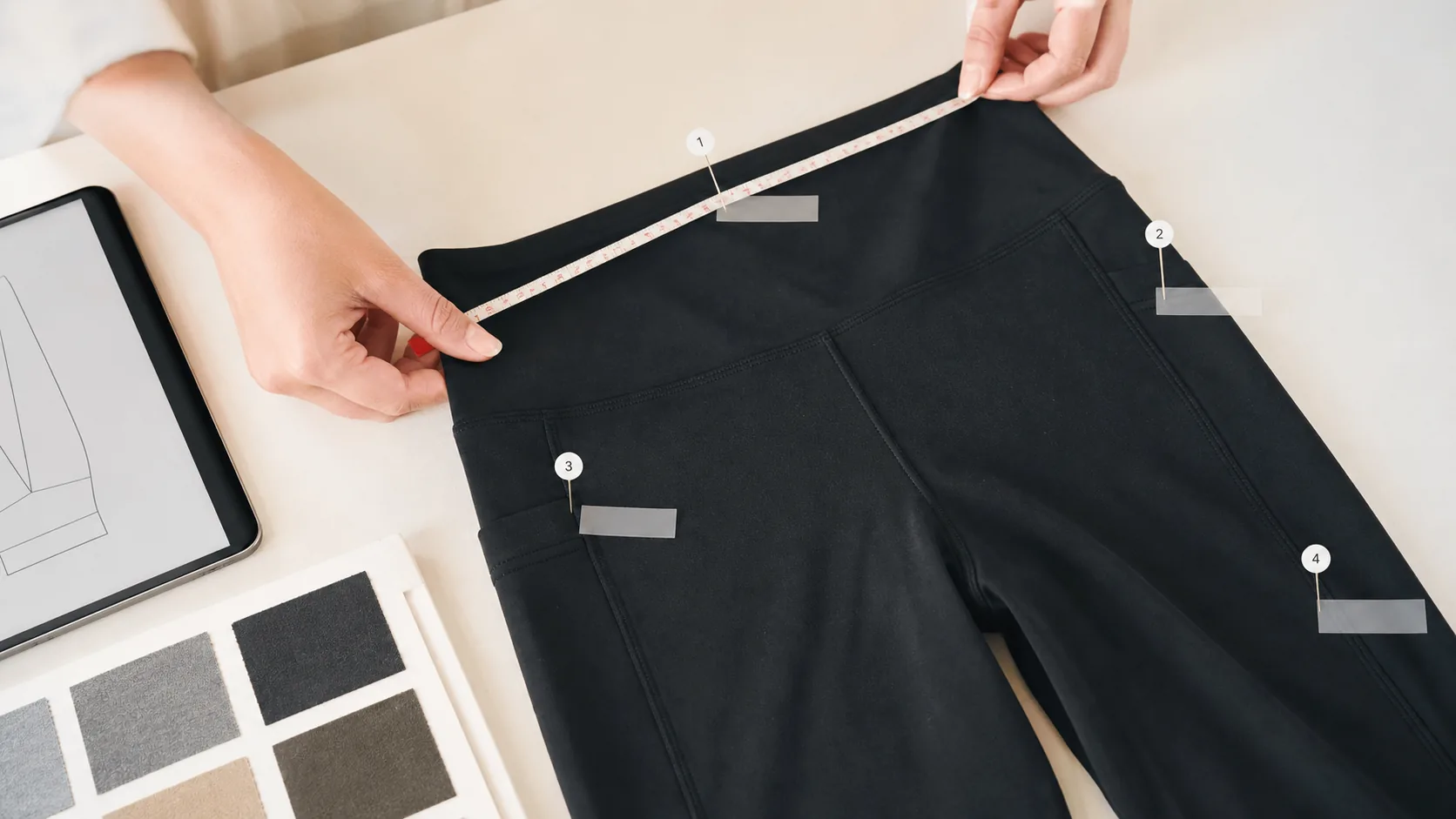
A usable sample comment identifies the sample and revision, describes the observed issue at a precise location, provides measurement or visual evidence, states the requested change and assigns an approval status. Consolidate all comments through one owner before sending them to the factory.
Describe the problem before prescribing the fix.
Use fixed reference points for measurements and placement.
State approved elements so they are not changed again.
Identify the exact sample
Put the brand, style code, sample stage, size, color, date and specification revision at the top. Photographs without sample identity become unreliable once several rounds look similar.
Separate observation from interpretation
“Waistband feels wrong” does not locate the problem. Record whether the top edge gaps, the band rolls during a forward fold, pressure concentrates at the side seam or the garment slides after movement. The development team can then test whether the cause is pattern shape, fabric recovery, elastic, seam bulk or grading.
Write the requested outcome
State the change in measurable terms where possible: move the pocket opening a defined distance from a fixed seam, reduce a finished measurement, change a seam type or submit two material options for comparison. If the buyer is unsure of the solution, ask the factory to propose options and explain the tradeoff.
Close each line with a status
Use a small controlled vocabulary: approve, revise, hold for buyer, supplier to propose or not represented. Finish with a list of elements that are approved and must remain unchanged. This prevents a correction in one area from reopening the entire style.
Decision map from this guide
| Decision area | What this guide establishes |
|---|---|
| Identify the exact sample | Put the brand, style code, sample stage, size, color, date and specification revision at the top. |
| Separate observation from interpretation | “Waistband feels wrong” does not locate the problem. |
| Write the requested outcome | State the change in measurable terms where possible: move the pocket opening a defined distance from a fixed seam, reduce a finished measurement, change a seam type or submit two material options for comparison. |
| Close each line with a status | Use a small controlled vocabulary: approve, revise, hold for buyer, supplier to propose or not represented. |
Sources and scope
This guide translates primary standards and public technical sources into a buyer-side development workflow. It does not replace legal advice, a purchased standard, laboratory instructions or project-specific engineering.
Buyer questions
Should comments be sent in chat?
Chat can alert the team, but the controlled comment sheet should remain the decision record.
Are photos enough for fit comments?
No. Photos support the observation; measurements and written movement notes define the requested outcome.
