A tech pack is a decision map
A tech pack communicates the product as a set of linked decisions. It does not need to answer every question at the first conversation, but it should make clear which items are approved, which are preferences and which remain open for development.
Core checklist
1. Product and wearer context
- Style name, code and revision date
- Product type, intended activity and target wearer
- Target market, channel and size range
- Reference sample or benchmark, with the function being studied
2. Drawings and measurements
- Front, back and detail drawings
- Points of measure with clear measurement method
- Base size and grade rules or requested size chart
- Fit intent, coverage and key movement concerns
3. Materials and construction
- Fabric direction, composition preference if known, stretch direction and desired hand feel
- Seam, stitch, gusset, waistband, lining, cups, elastic and pocket details
- Trims, labels, branding method and placement
- Color references and artwork files
4. Packaging and evidence
- Folding, bag, carton and labeling instructions
- Target-market test requirements
- Inspection scope and critical workmanship points
- Approval owners and version-control method
Mark open questions before handoff
Use a simple status such as approved, preferred, supplier to propose or buyer to confirm. This helps the development team quote and sample without turning a missing field into an unspoken assumption.
A blank field is ambiguous. An open question is actionable.
Buyer questions
Can I start without a complete tech pack?
Yes. Start with a structured brief, but identify missing specifications as development questions before approval.
Should sample photos replace measurements?
No. Photos support visual comments, while measurements and written instructions define the requested change.
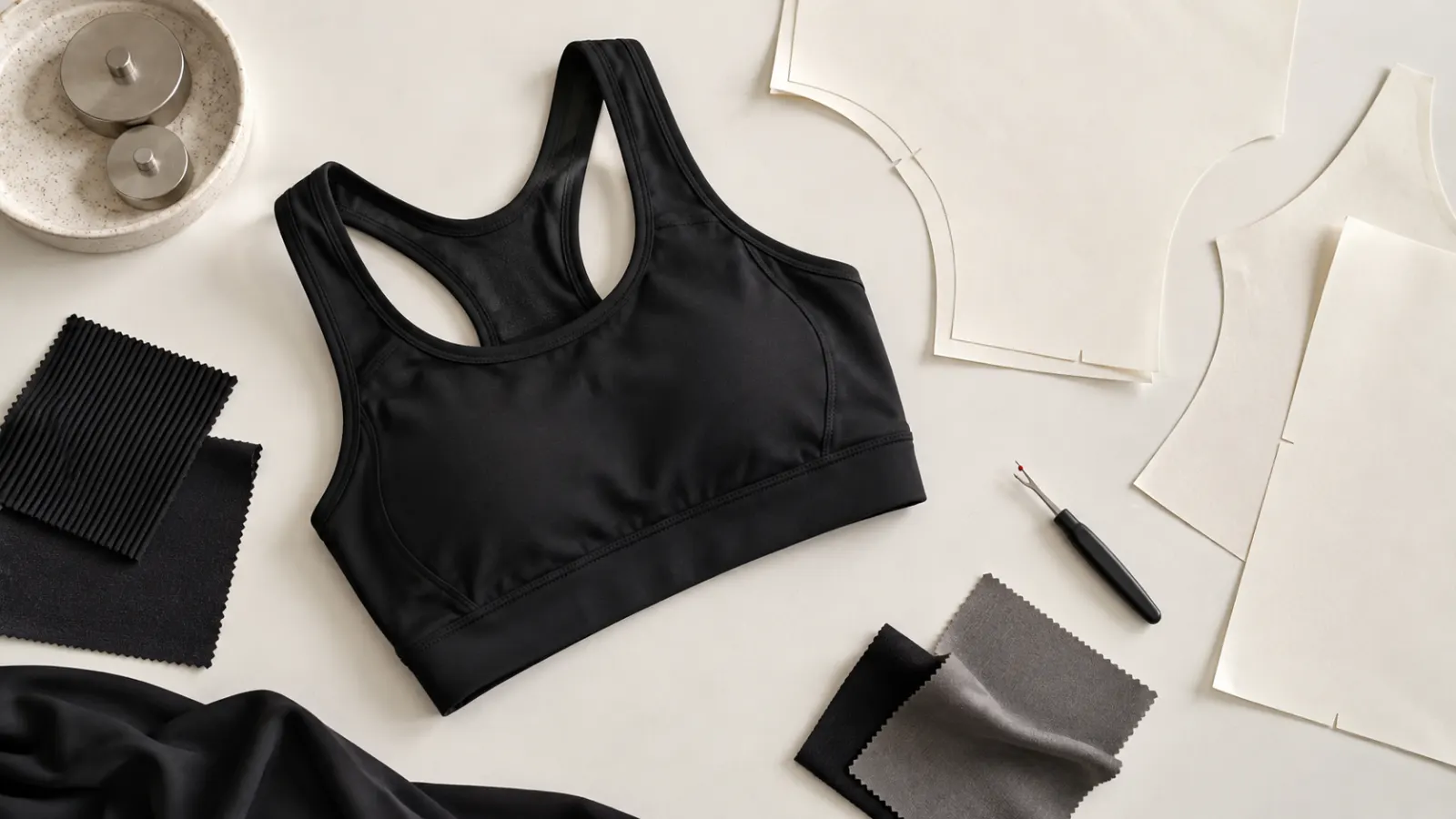
How do you check a tech pack template before using it?
A template is a container for decisions, not evidence that those decisions have been made. Test it with one detail that matters to your style. For a legging waistband, can the document show the measurement points, whether the garment is relaxed or stretched, the intended construction and the material reference? Can the person reviewing the sample find the same detail without asking you to explain a screenshot?
Try a second test: change that waistband detail and check whether the drawing, measurement table, material list and change record still agree. If the template makes it easy to update one place but forget another, add a review step before issuing the next revision. Keep superseded versions available for tracing decisions, while making the version authorized for work unambiguous.
| Review item | Not ready for handoff | Suggested acceptance check |
|---|---|---|
| Measurements | Numbers without measurement locations or conditions | Another reviewer can repeat the stated method |
| Materials | A generic fabric description with no selected reference | Each component has an identity or a named open decision |
| Revisions | Several files described as final | One issued revision and a traceable change record |
| Deliverables | Assumed ownership or editable files not specified | The agreement identifies the files, permitted use and handover |
Do not insert guessed tolerances or grade rules merely to remove blank cells. Mark them for technical development and approval. A neat document with invented values is less useful than an honest open-item register. For early-stage projects, the brief versus tech pack guide explains when a simpler input is appropriate.
What should a tech pack designer hand over?
Agree on the deliverables before commissioning the work. Ask whether the assignment includes technical drawings, measurements, the material list, construction details, grading, pattern work and responses to sample comments. These are separate responsibilities; a drawing package should not silently stand in for all of them.
Use an acceptance review based on your own garment, not the designer's portfolio alone. Trace one requirement from the brief into the drawing and specification, then ask how a sample result would be recorded against it. Check that the agreed editable files open in a usable format and that linked references are included. Record unresolved technical decisions rather than treating a polished presentation as a release for manufacturing.
WIPO's supplier guidance recommends clarifying ownership, future use, copies of work and confidentiality in written arrangements. Apply that distinction to the files you commission: receiving a PDF is not the same as agreeing on rights to edit, reuse or transfer the underlying work. Take project-specific legal questions to a qualified adviser.
More buyer questions
Can I use a free activewear tech pack template?
Yes, as a starting structure, not as a completed specification. Check that it can record your measurement methods, materials, construction, revisions and unresolved decisions. Replace example values with approved project information rather than copying them. Test the completed document against one sample detail before handoff, and confirm that you have permission to use any supplied artwork or files.
What should I ask an activewear tech pack designer to deliver?
Ask for the agreed specification files and a clear list of what the assignment excludes. Confirm whether measurements, grading, patterns, materials, construction details and sample revisions are included. Review an actual garment detail across the drawings and tables before accepting the work. Record file formats, permitted reuse and ownership separately; a completed presentation does not settle those questions.
What is a tech pack in the garment industry?
A tech pack is the set of drawings, tables and instructions that tells a factory which garment to price, sample and repeat. A typical one opens with a style summary and front and back flats, then gives the measurement specification, bill of materials, construction notes, artwork and label placement, colorways, packing instructions and a revision log. Many teams issue it as a PDF backed by editable source files.
How do you make a tech pack for clothes?
Build it from one approved brief. Draw the flat sketches, choose a base size and list the points of measure with how each is taken, then add the bill of materials, construction callouts, artwork and label placement, colorways and packing. Mark every unknown as an open decision, number the revision and test the document against the first sample before grading.
What changes in a tech pack for a hoodie, pants or a T-shirt?
The structure stays the same; the critical details move. A hoodie needs hood height and opening, drawcord, rib cuff and hem construction, pocket placement and fleece face; pants need rise, inseam, waistband, gusset, pockets and leg opening; a T-shirt needs neckline trim, shoulder and sleeve construction and body length. For women’s activewear, add support, coverage and opacity checks.
How much does a tech pack cost, and is it ever free?
There is no reliable price without a scope. Cost depends on how many styles, sizes and colorways are covered, whether grading, patterns and sample-comment rounds are included and which editable files you receive. A supplier may prepare its own specification at no separate charge, but that file can remain the supplier’s; confirm ownership and access before relying on it.
What is the best tech pack software or template?
The best tool is one your team and your factory can both open and keep in sync. Spreadsheets, vector drawing files and product lifecycle management systems can all work; judge them by whether drawings, measurements, materials and revisions stay linked, whether the factory can read the export and whether you keep the editable source. Trial it on one real style first.
Can AI tools such as ChatGPT or Claude create a tech pack?
They can help draft the structure, wording and checklists, but they cannot measure a garment, validate a grade rule or confirm that a construction will work in your fabric. Treat any generated value as a placeholder for technical review, check the tool’s data terms before uploading unreleased designs, and confirm every number against a pattern and a physical sample.
Additional sources
Read the Spanish guide to activewear technical specifications.
Download a blank tech pack worksheet
Use the fillable English PDF worksheet to record the assignment, measurement references, materials, sample findings and open decisions. It contains no default measurements, grade rules or production pattern. You may adapt this original worksheet for your own garment project; technical review and project-specific approvals are still required.

Make sample comments specific
Reference the style, sample round and current specification. For each comment, state the location, observed issue, requested change and whether a measurement or construction update is required. Consolidate comments through one approval owner whenever possible.