The short answer
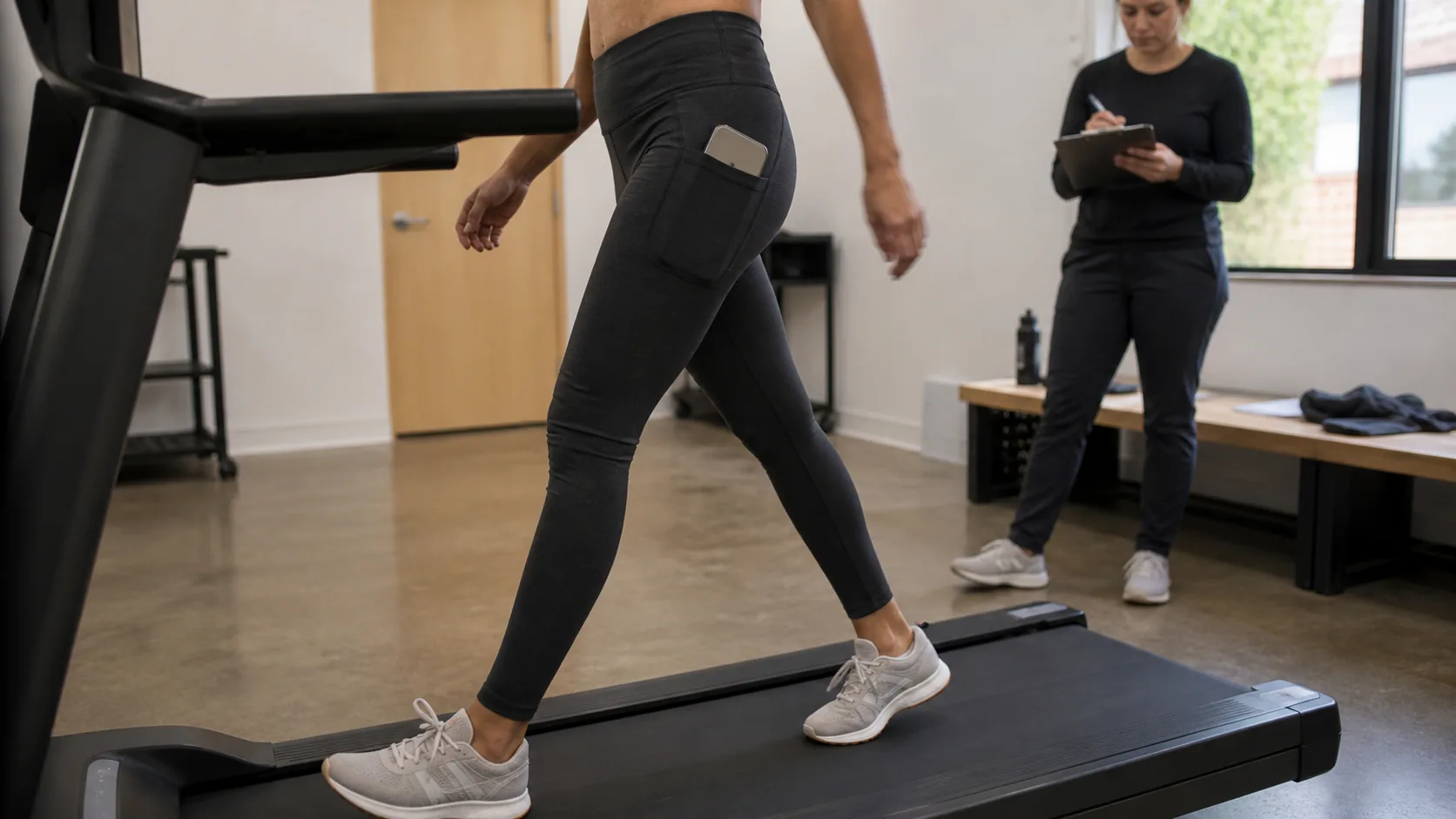
Specify a yoga legging pocket with a defined object size and mass, opening, usable depth, location from fixed pattern points, construction and reinforcement. Test the actual sample through repeated movement and inspect whether the load bounces, escapes, pulls the garment or deforms the fabric.
Design around a real object, not “phone pocket.”
Check the pocket and waistband as one load system.
Record retention before and after laundering.
Define the object and use case
Record maximum object dimensions and whether the wearer must access it while moving. A card pocket, key pocket and phone pocket have different depth, opening and reinforcement needs.
Locate the pocket from fixed points
Use distances from stable seams or pattern points rather than “high on the thigh.” Check reach, pressure and appearance in the target size. Grading should preserve usable access instead of scaling every dimension mechanically.
Run a retention and distortion protocol
Load the intended object and perform walking, bending, lunging and transitions appropriate to the product. Observe bounce, opening spread, edge roll, garment slide and local sheerness. Repeat after a wash condition if the launch claim depends on continued performance.
Inspect the load path
Check pocket-bag material, opening finish, bartacks or reinforcement, seam stretch and the way load transfers into the side panel or waistband. A strong pocket attached to an unstable panel can still fail the garment.
Decision map from this guide
| Decision area | What this guide establishes |
|---|---|
| Define the object and use case | Record maximum object dimensions and whether the wearer must access it while moving. |
| Locate the pocket from fixed points | Use distances from stable seams or pattern points rather than “high on the thigh.” Check reach, pressure and appearance in the target size. |
| Run a retention and distortion protocol | Load the intended object and perform walking, bending, lunging and transitions appropriate to the product. |
| Inspect the load path | Check pocket-bag material, opening finish, bartacks or reinforcement, seam stretch and the way load transfers into the side panel or waistband. |
Sources and scope
This guide translates primary standards and public technical sources into a buyer-side development workflow. It does not replace legal advice, a purchased standard, laboratory instructions or project-specific engineering.
Buyer questions
Do side pockets make leggings less opaque?
They can change local layering and strain. Check the full garment because the pocket can either add coverage or pull the body fabric.
Can a seamless legging include a phone pocket?
Possible constructions exist, but the pocket is not a free by-product. Decide the knit or secondary sewing method during development.
More buyer questions
What should be checked before approving pockets on seamless leggings?
Check the pocket route and the knitted body together. Ask whether the pocket is sewn or bonded onto the knitted body or formed in a folded waistband, then load it with the intended object. Review opacity and distortion in the knitted zone behind it, bond or seam durability after washing, and whether the placement still works on sizes knitted on different machine diameters.
