The direct answer
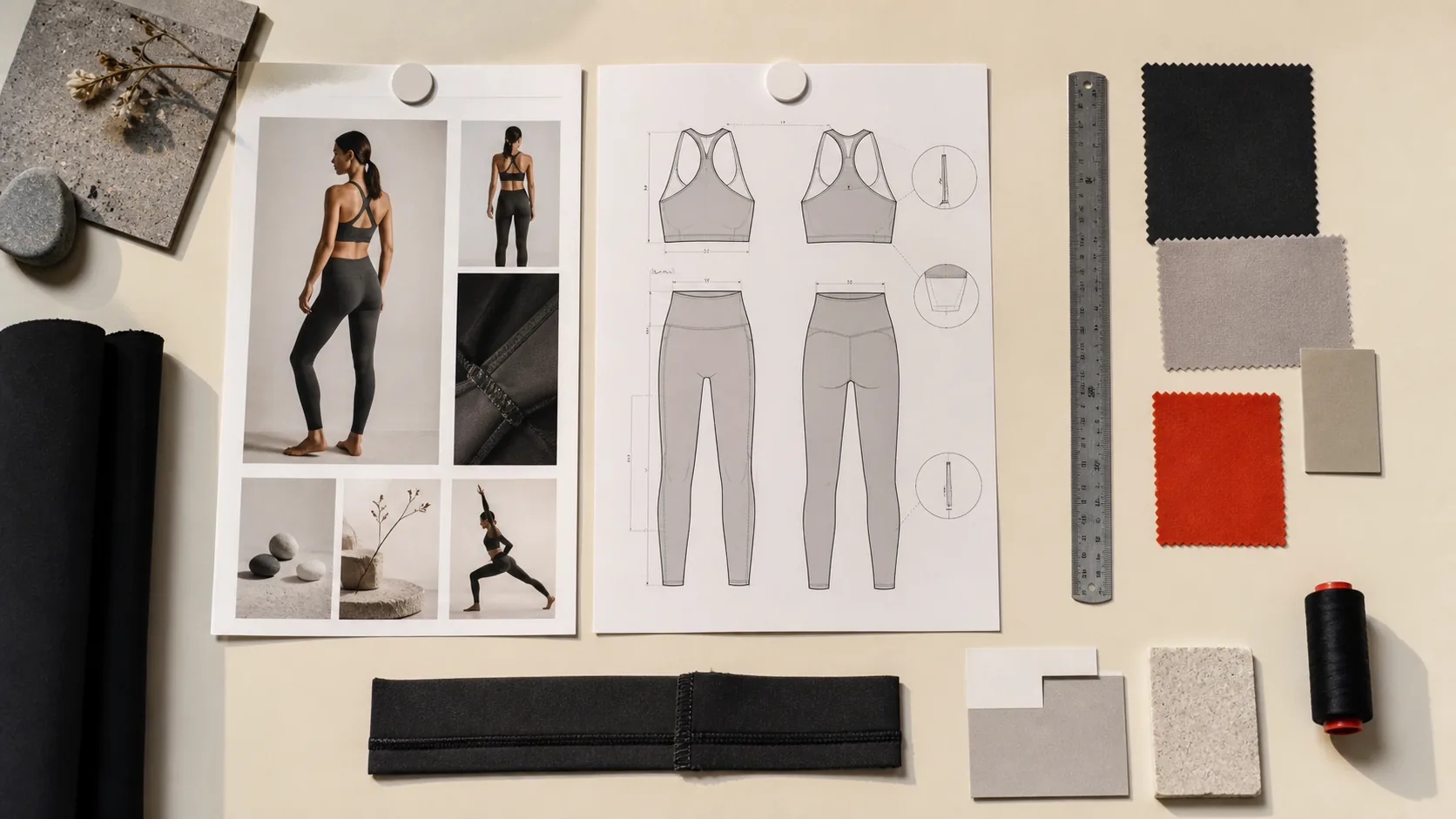
A custom sportswear manufacturer needs a controlled brief covering the wearer, activity, silhouette, measurements, materials, construction, color, branding, packaging, target market and unresolved development questions.
Define what “custom” means for the project
Customization can involve original pattern development, adjusted fit, selected fabric, custom color, print, embroidery, trims, labels or packaging. Separate each choice so the supplier can identify cost, feasibility, approval method and production risk.
Use references for function—not copying
A reference garment can communicate hand feel, coverage, fit direction or construction logic. Mark the function to study and create an original specification. Do not ask a factory to reproduce another brand’s protected artwork or distinctive design.
Give every sample round a job
Prototype, fit, size-set and pre-production samples answer different questions. Record which materials and attributes each sample represents, consolidate buyer comments and keep approved details in the current specification.
Release one production baseline
Before bulk, reconcile the approved sample, measurements, BOM, color references, artwork, labels, packaging, quantity breakdown, test requirements and inspection scope. Declared substitutions remain open until approved.
Use the relevant development route
Continue with a buyer decision guide
Continue through the manufacturing topic network
Buyer questions
Do I need a complete tech pack for custom sportswear?
No. Development can begin from a structured brief, sketch or reference sample, but open specifications must be identified and resolved before production release.
What is the difference between OEM and private label sportswear?
OEM commonly follows a buyer-controlled specification. Private label describes sale under the buyer’s brand and can range from branding an existing direction to fully custom development.
Read the Spanish guide to sublimation and apparel decoration checks.
