The direct answer
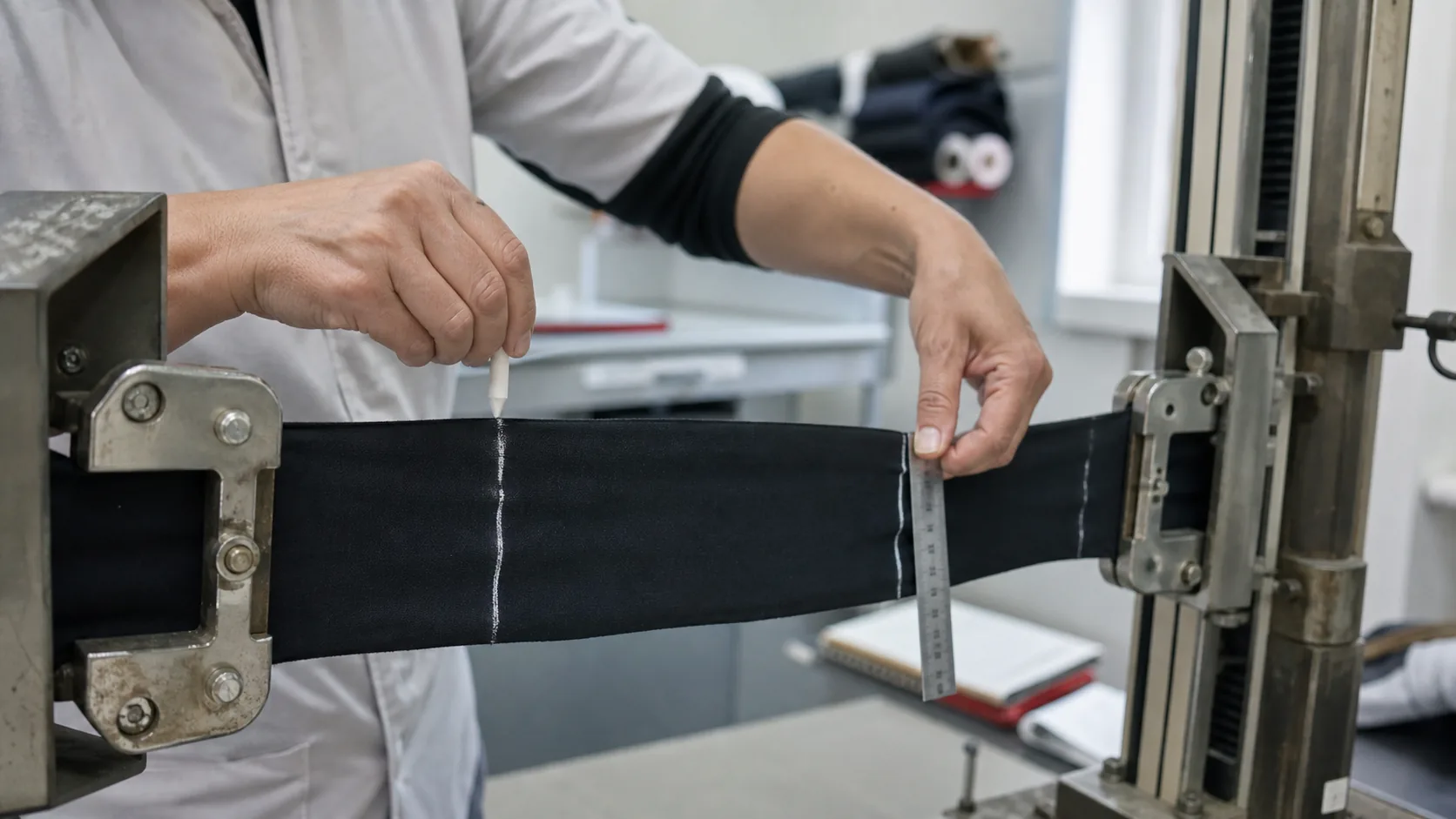
A performance apparel brief should identify the activity and wearer, relevant garment zones, measurable requirements, wear-review questions, required test methods and the sample or material represented by each result.
Translate performance language into a product job
Define the activity, duration, climate, movement, contact zones and care expectation. Then decide which observations belong in fit or wear review and which require a defined laboratory method.
Approve material in garment context
Composition and GSM do not establish stretch recovery, opacity, moisture behavior, pilling, shrinkage or colorfastness. Link the approved material identity to the relevant style, shade, finish and evidence.
Keep public claims inside the tested condition
A result for one fabric, color or method does not automatically support every finished garment. Record the sample, method, units, condition and date, and avoid converting a limited result into a universal marketing claim.
Recheck changes on repeat production
A new material lot, finish, shade, supplier, construction or destination can change the evidence route. Compare the reorder against the previous baseline and record what can carry forward.
Use the relevant development route
Continue with a buyer decision guide
Continue through the manufacturing topic network
Buyer questions
What does performance apparel mean?
It describes garments designed for defined movement or environmental needs. The brief should convert that intent into product-specific fit, material and evidence requirements.
Does moisture-wicking fabric prove the garment is high performance?
No. Confirm the material identity, test method and result, then review how garment construction, fit and use conditions affect the final product.
